
 Oil On PanelWallArtNorthern Renaissance
 1515Renaissance
 232.0 x 76.0 cm
 Musée d'Unterlinden
빠른 제작과 다양한 마감 옵션을 제공하는 박물관 품질의 지클레이 또는 캔버스 프린트. ( 손으로 그린 그림 구매 디지털 이미지로 전환)





























작품의 원본 비율을 유지하는 미리 설정된 크기 중에서 선택하세요.

특정 프레임이나 공간에 맞춰 직접 치수를 입력하실 수 있습니다. 선택하신 사이즈가 원본 이미지의 비율과 일치하지 않을 경우, 작품을 크롭(자르기)하거나 이미지를 대칭 또는 단색 채우기로 확장하여 제작합니다. 제작 시작 전, 최종 확인을 위해 디지털 목업이 전송됩니다.
화면상의 미리보기는 실제 크롭이나 확장 상태를 반영하지 않으므로, 최종 구도는 오직 목업을 통해서만 정확하게 확인하실 수 있습니다.
맞춤 사이즈 제작도 가능하지만, 원본 비율을 유지하기 위해서는 사전 정의된 목록에서 치수를 선택하시는 것을 권장합니다.

St Sebastian
복제본 크기
In the quiet corridors of the Musée d'Unterlinden, there exists a painting that does not merely depict a scene, but breathes with the raw, unshielded intensity of human suffering and divine resilience. Matthias Grünewald’s St Sebastian, completed around 1515, is far more than a religious icon; it is a profound psychological landscape. At first glance, the viewer is struck by the visceral reality of the figure—a man caught in the agonizing intersection of physical torment and spiritual transcendence. Unlike many Renaissance depictions that favor idealized, classical beauty, Grünewald embraces a Northern European tradition of unflinching realism. The saint’s body, pierced by arrows, serves as a canvas for an exploration of pain, yet there is an undeniable elegance in his posture that suggests a soul already beginning its ascent toward the divine.
The composition is a masterclass in dramatic tension and atmospheric depth. Grünewald utilizes a somber, dark interior to push the figure of St. Sebastian into the immediate foreground, creating an intimacy that feels almost intrusive. Light plays a pivotal role here, streaming from a window on the left to sculpt the musculature of the torso and illuminate the wounds with a haunting clarity. This use of chiaroscuro—the dramatic interplay of light and shadow—does more than create three-dimensional form; it directs the viewer's emotional journey, pulling our eyes toward the crimson marks of martyrdom. The presence of a delicate vase of flowers on the periphery offers a poignant contrast, a fleeting whisper of natural beauty set against the heavy, eternal weight of the saint's sacrifice.
To gaze upon this masterpiece is to read a complex language of symbols deeply rooted in the late medieval and early Northern Renaissance consciousness. Each arrow embedded in the flesh is not merely a weapon of execution but a symbol of the piercing nature of faith and the shared suffering of Christ. The vibrant yet subdued palette, dominated by earthy tones and punctuated by sudden, startling flashes of red, mirrors the biological reality of blood and wound. Grünew nwald’s technique involves a meticulous layering of oil paint that creates an illusionistic surface, allowing the textures of skin, fabric, and light to feel palpably real. His brushwork, while precise in anatomical detail, possesses a rhythmic energy that captures the very vibration of life under duress.
For the discerning collector or interior designer, a reproduction of this work offers more than mere decoration; it provides a focal point of profound intellectual and emotional gravity. The painting’s ability to command a room lies in its duality—it is simultaneously unsettling and deeply comforting. It invites contemplation on themes of endurance, the beauty found within struggle, and the transformative power of devotion. Whether placed in a curated gallery setting or as a centerpiece in a sophisticated study, St Sebastian serves as a timeless testament to the human spirit's capacity to endure the unimaginable and emerge with a quiet, luminous dignity.

독일 뷔르츠부르크에서 1470~1475년경 마티스 고트하르트 나이트하르트라는 이름으로 태어난 마티아스 그뤼네발트는 독일 르네상스의 중추적인 인물이었습니다. 이 시기는 이탈리아 르네상스의 이상주의가 점차 확산되던 때였음에도 불구하고, 그뤼네발트는 중세 후기 중앙유럽의 예술적 전통에 깊은 뿌리를 두고 있었습니다. 그의 초기 생애에 대한 구체적인 기록은 드물지만, 그는 지역 화실에서 예술가로서의 기틀을 닦으며 성장했음을 알 수 있습니다.
그뤼네발트의 예술적 성장은 사실주의와 정서적 강렬함, 그리고 세밀한 관찰력을 중시하던 북유럽 전통의 영향을 받으며 형성되었습니다. 그의 작품에서는 알브레히트 뒤러나 마르틴 쇼엔가우어 같은 거장들의 흔적이 엿보이기도 하지만, 그는 단순히 이를 따르는 데 그치지 않고 극적인 표현과 생생한 색채를 특징으로 하는 자신만의 독창적인 길을 개척했습니다. 이탈리아에서 유행하던 인문주의 서클에 직접적으로 참여하기보다는, 그의 예술은 당대의 영적 불안을 투영하며 주로 종교적인 목적을 수행하는 데 집중되었습니다.
그뤼네발트의 화풍은 다음과 같은 독보적인 요소들로 정의됩니다.
그뤼네발트의 작품은 르네상스 시대 독일에서 중세 예술 전통이 지녔던 지속적인 힘을 증명하는 소중한 유산입니다. 그는 후기 고딕 양식과 새롭게 떠오르는 르네상스 사이의 간극을 메우며, 당대인들의 마음을 울리는 독특한 시각적 언어를 창조해냈습니다. 그의 영향력은 종교적 열정과 정서적 강렬함을 탐구했던 이후 독일 예술가들에게도 고스란히 이어졌습니다. 1528년 그의 사후 수 세기 동안 대중의 기억 속에서 잊혀지기도 했으나, 19세기에 이르러 재조명받기 시작한 그는 오늘날 독일 르네상스를 대표하는 가장 중요한 화가 중 한 명으로 인정받고 있습니다. 그의 예술은 가공되지 않은 날 것 그대로의 감정과 기술적 탁월함, 그리고 심오한 영적 깊이를 통해 오늘날의 관람객들에게도 여전히 깊은 울림을 주고 있습니다.
마티아스 그뤼네발트의 삶과 작품에 대한 더 자세한 내용은 다음에서 확인하세요: WahooArt

1480 - 1528 , 독일

Explore the intricate beauty of Northern Renaissance art. Discover the revolutionary oil techniques, profound symbolism, and microscopic realism of the Franco-Flemish masters in this expert guide for classical art enthusiasts.

Unveil the intricate mastery of Northern Renaissance Art. Explore the luminous oil techniques, hidden symbolism, and breathtaking realism of Flemish masters through an expert lens of art history and technical precision.
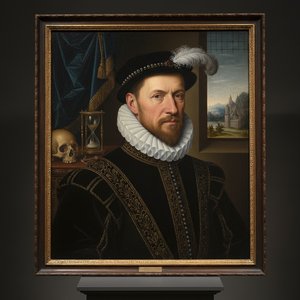
Explore the breathtaking precision of Hans Holbein the Younger. From Tudor royal portraits to intricate Northern Renaissance details, discover the mastery behind his legendary works and learn how to bring this historical grandeur into your collection with museum-quality reproductions.

Explore the dramatic evolution of Northern Mannerism. Discover how masters like Bosch and Grünewald transitioned from Renaissance harmony to profound, elegant distortion through an expert analysis of symbolism, emotional intensity, and artistic innovation.


 미리보기
미리보기
 공유하기
공유하기 공유하기
공유하기
 상세 정보
상세 정보

 다운로드
다운로드
 유사 작품
유사 작품 X-레이
X-레이 슬라이드 쇼
 통계 정보
통계 정보 더 보기
더 보기









 유리 옵션은 110cm 미만 크기에서만 선택 가능합니다.


