

 Oil On PanelGothic Early Renaissance
 1345
1345 41.0 x 22.0 cm
 루브르 박물관
작가가 직접 캔버스에 손으로 그린 유화 작품으로, 원하는 크기와 액자로 맞춤 제작해 드립니다. ( 프린트 판매로 전환 디지털 이미지 판매 채널로 전환)





























작품의 원본 비율을 그대로 유지하는 프리셋 사이즈 중에서 선택해 보세요.

액자나 벽면 크기에 맞춰 필요한 가로와 세로 길이를 입력해 주세요. 본 작품은 수작업으로 제작되므로, 요청하신 비율에 따라 작가가 그림의 가장자리를 조금 더 넓게 그리거나 일부를 조정하여 작업할 수 있습니다. 작업 시작 전, 최종 확인을 위해 디지털 목업 이미지를 보내드립니다. 이 페이지에 표시된 이미지는 실제 결과물과 다를 수 있으며, 오직 목업 이미지만이 정확한 결과물을 보여줍니다.
Annunciation
복제본 규격
Matteo Giovanetti's Annunciation, painted around 1345 in Viterbo, Italy, is more than just a depiction of a pivotal biblical moment; it’s a poignant meditation on faith, humility, and the miraculous. This exquisite wooden panel, now residing within the hallowed halls of the Louvre Museum in Paris, offers a rare glimpse into the burgeoning artistic spirit of early Renaissance Italy – a period marked by both fervent religious devotion and a nascent exploration of naturalism.
The painting immediately draws the viewer into its carefully constructed composition. Giovanetti masterfully divides the scene into two distinct triangular zones, mirroring the duality inherent in the Annunciation itself: the earthly realm of Mary and the divine intervention of the Archangel Gabriel. The angel, rendered in profile with wings outstretched and a halo radiating an ethereal glow, dominates the left-hand triangle. His gesture – a pointing hand towards the expectant Virgin – is both commanding and gentle, conveying the weight of the momentous news he carries. Mary, positioned within the right triangle, appears serene yet profoundly moved; her posture suggests contemplation and acceptance as she receives Gabriel’s message.
Giovanetti's style is deeply rooted in the traditions of Gothic art, particularly evident in the bold outlines, vibrant colors – primarily reds, blues, and golds – and the emphasis on symbolic representation. However, subtle shifts towards a more naturalistic approach foreshadow the stylistic developments that would characterize the High Renaissance. The figures possess a certain solidity and volume, moving beyond the stylized forms often found in earlier Gothic works. The use of light is particularly effective, illuminating Mary’s face and highlighting the angel's radiant halo, creating a sense of divine presence.
Despite its adherence to established conventions, the Annunciation also reveals Giovanetti’s innovative spirit. The background remains deliberately simple – a plain red ground for the angel’s section and a similar hue for Mary’s – avoiding elaborate architectural details or distracting landscapes. This minimalist approach focuses attention squarely on the central figures and their interaction, reinforcing the painting's spiritual message.
Every element within this Annunciation is laden with symbolic meaning. The scroll held by the angel represents divine knowledge and the promise of salvation through Christ’s birth. Mary’s book symbolizes her role as a vessel for God's grace, while the halos surrounding both figures signify their holiness and connection to the divine realm. The carefully chosen colors – red representing passion and sacrifice, blue symbolizing heaven and faith – further enhance the painting’s symbolic richness.
Notably, the absence of any explicit depiction of the infant Jesus is deliberate. Giovanetti wisely avoids prematurely revealing the culmination of this miraculous event, allowing the viewer to contemplate the profound implications of Mary's acceptance of God’s will. The scene is a moment of anticipation, a silent promise of future glory.
The Annunciation by Matteo Giovanetti stands as a testament to the artist’s skill and his deep understanding of religious iconography. Its enduring appeal lies not only in its technical brilliance but also in its ability to evoke a sense of wonder, reverence, and profound human emotion. Today, reproductions of this iconic work offer art enthusiasts and interior designers alike an opportunity to bring this timeless masterpiece into their homes, allowing them to experience the serenity and spiritual depth of Giovanetti’s vision.
For further exploration of Matteo Giovanetti's life and works, please visit WahooArt. You may also find inspiration in the works of Jacobello Del Fiore and Leonardo Da Vinci, accessible through links provided above.
Matteo Giovanetti의 반복되는 주제에는 early renaissance devotional style, medieval religious symbolism prevalent, papal court commissioned artwork, giovanetti’s key viterbo works, central to artist's legacy가 포함되어 있으며, "Annunciation"은 annunciation, mary, angel, gabriel, biblical, religious, medieval, renaissance에 초점을 맞추고 있습니다.
"Annunciation" 프린트의 권장 용도는 Statement입니다.
Matteo Giovanetti의 "Annunciation"의 수작업 복제화는 주문 제작 방식으로 수작업 유화 복제화 페이지에서 직접 주문하실 수 있습니다: 리넨 캔버스 위에 손으로 직접 그린 유화 복제화

In the heart of fourteenth-century Italy, amidst the spiritual awakening of the early Renaissance, the name Matteo Giovanetti emerged as a beacon of devotional mastery. Born around 1300 in the historic city of Viterbo, Giovanetti was more than a mere painter; he was a visual theologian whose brush captured the profound intersection of human emotion and divine grace. While much of his personal history remains shrouded in the mists of the medieval era—with biographical fragments often found only within papal correspondence—his artistic presence is undeniably monumental. His life’s work serves as a vital bridge between the rigid, symbolic traditions of the Gothic period and the burgeoning naturalism that would soon define the Italian Renaissance.
The development of Giovan andetti's style suggests a profound intellectual and spiritual journey. It is widely believed by scholars that his training was deeply rooted in both theological study and rigorous artistic apprenticeship. This dual education allowed him to infuse his compositions with a layer of scriptural depth that resonated with the clergy and common folk alike. By absorbing the stylistic currents flowing from the great masters of Tuscany and Umbria, Giovanetti began to synthesize a unique visual language. He drew inspiration from the monumental weight and structural clarity of Giotto di Bondone, while simultaneously embracing the lyrical elegance and refined grace found in the works of Simone Martini. This delicate balance between strength and delicacy became the hallmark of his creative identity.
The legacy of Matteo Giovanetti is anchored by two extraordinary altarpieces that continue to captivate the modern imagination. His Annunciation, dated to approximately 1345, stands as a breathtaking testament to his ability to render the miraculous. In this work, the moment of Mary’s acceptance of Gabriel’s message is captured with a poignant stillness. Through his use of simplified drapery and a controlled, flattened perspective, Giovanetti directs the viewer's gaze toward the spiritual gravity of the encounter. The painting does not merely depict a scene; it invites the faithful into a sacred dialogue, utilizing light and form to evoke the very essence of divine intervention.
Equally significant is his masterpiece, St Hermagoras and a Donor St Fortunatus. This work offers an intimate window into the social and spiritual fabric of the fourteenth century. By depicting both a saintly figure and a human donor, Giovanetti achieves a rare sense of temporal continuity, bridging the gap between the heavenly realm and the earthly presence of his patrons. The painting is characterized by:
Through these works, Giovanetti achieved a level of historical significance that transcends his era. He was a pioneer who helped transition the Italian landscape from the ornamental complexities of the Gothic style toward a more human-centric, expressive form of art. His ability to harmonize the ethereal with the tangible ensured that his altarpieces were not just objects of beauty, but essential instruments of worship and historical record.

1322 - 1368 , Italy
Explore the exquisite elegance of International Gothic art. Discover the mastery of illuminated manuscripts, the brilliance of gold leaf, and the legacy of the Limbourg Brothers in this expert guide to Europe's sophisticated medieval dawn.

Embark on a journey through the dramatic era of Gothic art. Discover the profound beauty of illuminated manuscripts, sacred gold leaf masterpieces, and the transition to naturalism in this expert-led exploration of medieval artistry and historical grandeur.
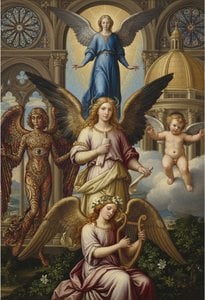
Explore the profound beauty of angelic figures in art history. From Renaissance masterpieces to celestial symbolism, our expert guide offers a sophisticated journey through the divine imagery of the Old Masters for discerning collectors and art enthusiasts.

Explore the exquisite elegance of Late Gothic art. Discover how masters like Carlo Crivelli and Stefan Lochner blended intricate detail and religious devotion to bridge the Middle Ages and the Renaissance in this expert art history guide for true connoisseurs.
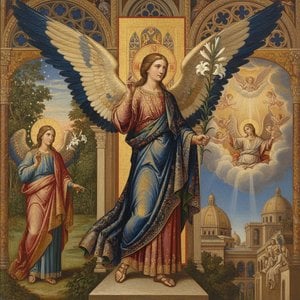
Explore the profound beauty of Angel Gabriel in art history. From Renaissance masterpieces to Baroque splendor, our expert guide delves into the sacred iconography and timeless techniques of these divine messengers for the discerning art enthusiast.

 실제 크기로 보기
 보내기
보내기 공유하기
공유하기
 상세 보기
상세 보기 가이드 보기

 이미지 다운로드
 유사 작품 더 보기
 X-레이
X-레이 슬라이드 쇼 보기
 통계 정보
통계 정보 상세 보기
상세 보기









 유리 옵션은 110cm 미만 크기에서만 선택 가능합니다.


