
 Oil On CanvasWallArtImpressionism
 188019th Century
 80.0 x 64.0 cm
빠른 제작과 다양한 마감 옵션을 제공하는 박물관 품질의 지클레이 또는 캔버스 프린트. ( 손으로 그린 그림 구매 디지털 이미지로 전환)





























작품의 원본 비율을 유지하는 미리 설정된 크기 중에서 선택하세요.

특정 프레임이나 공간에 맞춰 직접 치수를 입력하실 수 있습니다. 선택하신 사이즈가 원본 이미지의 비율과 일치하지 않을 경우, 작품을 크롭(자르기)하거나 이미지를 대칭 또는 단색 채우기로 확장하여 제작합니다. 제작 시작 전, 최종 확인을 위해 디지털 목업이 전송됩니다.
화면상의 미리보기는 실제 크롭이나 확장 상태를 반영하지 않으므로, 최종 구도는 오직 목업을 통해서만 정확하게 확인하실 수 있습니다.
맞춤 사이즈 제작도 가능하지만, 원본 비율을 유지하기 위해서는 사전 정의된 목록에서 치수를 선택하시는 것을 권장합니다.

The Loge
복제본 크기
Mary Cassatt's "The Loge," painted in 1879, is more than just a portrait; it’s a window into the opulent world of late 19th-century Parisian society. This oil on canvas masterpiece, measuring 80 x 64 cm, currently resides within esteemed collections and offers viewers a captivating glimpse into the leisure activities and social dynamics of the era.
The painting depicts two elegantly dressed women seated in a theater box, or "loge," during what appears to be an intermission. The woman on the right is positioned prominently, her face partially obscured by a delicate fan painted with silvery white and vibrant hues of yellow, green, and red. Her gaze is directed towards something beyond the viewer's perspective, creating a sense of intrigue and anticipation. Beside her sits another woman, her features more clearly visible, adorned in a striking blue gown and frosty-green gloves. The composition is vertically oriented, emphasizing the figures’ height and elegance against a backdrop of swirling golden yellows and spring greens, punctuated by strokes of plum purple and dark red. Cassatt's signature graces the lower right corner, adding to the artwork's authenticity and charm.
“The Loge” exemplifies Impressionism’s core principles. Cassatt masterfully employs loose brushstrokes and a vibrant color palette to capture a fleeting moment in time. The visible texture of the paint, achieved through layering thin washes, creates a luminous effect that mimics the play of light within the theater setting. Unlike traditional academic painting, which prioritized precise detail and realism, Cassatt focuses on conveying an impression—the atmosphere, mood, and overall feeling of the scene. Her use of color is particularly noteworthy; she skillfully blends pale shell pinks, blues, greens, and reds to depict the women’s gowns, creating a sense of shimmering elegance. The background's blurred forms further emphasize the foreground figures, drawing the viewer's attention to their expressions and gestures.
The painting is deeply rooted in its historical context. Late 19th-century Paris was undergoing rapid modernization, with the Opera House serving as a central hub for social gatherings and displays of wealth. "The Loge" reflects this era's fascination with leisure activities and the burgeoning consumer culture. Beyond its aesthetic appeal, the artwork offers subtle commentary on gender roles and societal expectations. The women’s presence in the theater box signifies their participation in public life, albeit within a carefully controlled social setting. Cassatt subtly explores themes of observation, voyeurism, and power dynamics through her depiction of the figures' gazes and interactions.
Several symbolic elements contribute to the painting’s emotional depth. The fan, a quintessential accessory of the era, represents elegance, refinement, and social status. Its partially obscured face hints at mystery and intrigue. The roses held by one woman symbolize beauty and courtship. The overall impression is one of quiet sophistication and restrained emotion. "The Loge" evokes a sense of nostalgia for a bygone era while simultaneously prompting reflection on themes of class, gender, and the human desire to observe and be observed. It’s a work that resonates with viewers long after they've turned away.


1843 - 1926 , 미국

Embark on a visual journey through the evolution of fashion photography. Discover how masters like Gianfranco Ferré blended geometry, surrealism, and texture to redefine high-fashion art for collectors and connoisseurs of luxury imagery.

Master the nuances of Impressionism vs. Post-Impressionism with our expert guide. Explore the revolutionary shift from Monet’s fleeting light to Van Gogh’s emotional depth. Discover how these iconic movements continue to inspire fine art collectors and modern interiors today.

Discover the unparalleled elegance of Art Deco through the lens of Erté. Explore a masterclass in linear precision, theatrical costume design, and high-fashion illustration that continues to define modern luxury and sophisticated interior aesthetics.
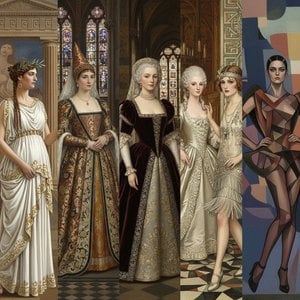
Explore the breathtaking intersection of fine art and high fashion. Discover how iconic masterpieces from Art Deco to Impressionism have shaped the world of luxury couture and timeless design in this curated visual journey.
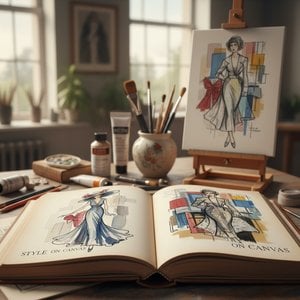
Discover the exquisite world of fashion illustration art. From Art Deco elegance to bespoke oil reproductions, explore how timeless sartorial beauty transforms luxury interiors through masterfully crafted canvas works and curated historical masterpieces.


 미리보기
미리보기
 공유하기
공유하기 공유하기
공유하기
 상세 정보
상세 정보

 다운로드
다운로드
 유사 작품
유사 작품 X-레이
X-레이 슬라이드 쇼
 통계 정보
통계 정보 더 보기
더 보기









 유리 옵션은 110cm 미만 크기에서만 선택 가능합니다.


