
빠른 제작과 다양한 마감 옵션을 제공하는 박물관 품질의 지클레이 또는 캔버스 프린트. ( 손으로 그린 그림 구매 디지털 이미지로 전환)





























작품의 원본 비율을 유지하는 미리 설정된 크기 중에서 선택하세요.

특정 프레임이나 공간에 맞춰 직접 치수를 입력하실 수 있습니다. 선택하신 사이즈가 원본 이미지의 비율과 일치하지 않을 경우, 작품을 크롭(자르기)하거나 이미지를 대칭 또는 단색 채우기로 확장하여 제작합니다. 제작 시작 전, 최종 확인을 위해 디지털 목업이 전송됩니다.
화면상의 미리보기는 실제 크롭이나 확장 상태를 반영하지 않으므로, 최종 구도는 오직 목업을 통해서만 정확하게 확인하실 수 있습니다.
맞춤 사이즈 제작도 가능하지만, 원본 비율을 유지하기 위해서는 사전 정의된 목록에서 치수를 선택하시는 것을 권장합니다.

Woman Sewing
복제본 크기
Mark Rothko’s “Woman Sewing,” painted circa 1953, is more than just a depiction of domestic activity; it's a carefully constructed visual poem that speaks to the core anxieties of the human condition. This monochrome masterpiece exemplifies Rothko’s signature Color Field style—a technique characterized by expansive blocks of color applied thinly over canvas without visible brushstrokes—and invites viewers into a contemplative space where form and emotion converge.
The choice of monochrome is crucial to understanding “Woman Sewing’s” symbolic significance. Gray represents neutrality, ambiguity, and the subconscious—a realm where anxieties and desires coexist without resolution. The woman herself embodies resilience and perseverance; her focused gaze suggests an unwavering commitment to a task that transcends immediate gratification. She is not striving for external achievement but engaging in an internal process of creation – mirroring Rothko’s own artistic endeavor.
"Woman Sewing" transcends mere visual representation; it aims to evoke an emotional response from the viewer. Rothko’s intention was not to depict reality but to convey feeling—specifically, a sense of melancholy and profound contemplation. The painting's enduring appeal lies in its ability to resonate with viewers on a visceral level, prompting introspection about themes of vulnerability, solitude, and the pursuit of meaning.
Its influence extends beyond the realm of fine art, informing discussions about minimalism and emotional expressionism. Today, reproductions of “Woman Sewing” continue to inspire designers seeking serene palettes and evocative imagery—a testament to Rothko’s ability to distill complex emotions into deceptively simple forms.

1903 - 1970 , 라트비아

Explore the profound emotional depth of Color Field painting. Our expert guide delves into the post-war origins of Abstract Expressionism, analyzing masterpieces by Rothko and Newman. Discover museum-grade, hand-painted oil reproductions that bring art history to your walls.
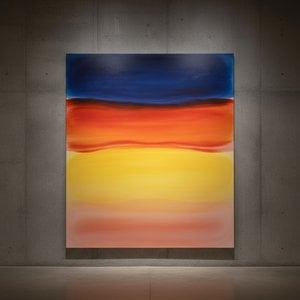
Explore the profound emotional depth of Mark Rothko's abstract expressionism. Discover the history, techniques & lasting impact of this pivotal Color Field painter. Expert insights for collectors and art enthusiasts.

추상표현주의의 심장을 뛰게 한 10대 걸작을 만나보세요. 폴록, 로스코 등 거장의 작품 비하인드 스토리와 예술적 영감을 WahooArt에서! 지금 바로 미술품 컬렉션을 탐험하고, 당신의 공간에 특별한 예술적 감성을 더하세요. WahooArt.com
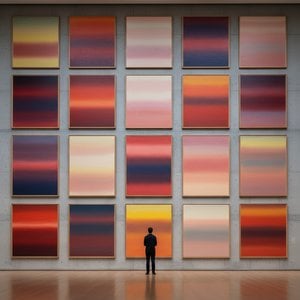
마크 로스코 최고작 25선을 만나보세요. 추상 표현주의 거장의 색채로 표현된 심오한 감정과 예술의 세계를 탐험하고, WahooArt에서 명화 복제본과 특별한 인테리어 아이디어를 찾아보세요. 지금 바로 컬렉션을 확인하세요!

Explore the profound emotional depth of Color Field painting. Discover the history of mid-century abstraction, from Rothko to Newman, and learn how pure color transforms the viewer's experience through our expert art history guide.


 미리보기
미리보기
 공유하기
공유하기 공유하기
공유하기
 상세 정보
상세 정보 가이드 보기

 다운로드
다운로드
 유사 작품
유사 작품 X-레이
X-레이 슬라이드 쇼
 통계 정보
통계 정보
 더 보기
더 보기









 유리 옵션은 110cm 미만 크기에서만 선택 가능합니다.


