
원하는 크기와 액자로 주문 제작되는, 작가들이 직접 캔버스에 손으로 그린 유화 작품입니다. ( 프린트 판매로 전환 디지털 이미지로 전환)





























작품의 원본 비율을 유지하는 미리 설정된 크기 중에서 선택하세요.

특정 프레임이나 공간에 맞도록 직접 크기를 입력할 수 있습니다. 선택하신 크기가 원본 이미지의 비율과 일치하지 않는 경우, 작품을 자르거나 추가적인 손으로 그린 요소를 사용하여 그림을 확장합니다. 제작 시작 전 승인을 위해 디지털 목업을 보내드립니다.
화면 미리 보기는 실제 자르기 또는 확장을 반영하지 않습니다. 최종 구성은 목업을 통해서만 정확하게 확인하실 수 있습니다.
맞춤 크기 제작도 가능하지만, 원본 비율을 유지하기 위해 사전 정의된 목록에서 크기를 선택하시는 것을 권장합니다.

White and Greens in Blue
복제본 크기
Mark Rothko’s “White and Greens in Blue,” painted in 1957, isn’t merely a painting; it’s an invitation. An invitation to surrender to the quiet intensity of color, to contemplate the vastness within, and perhaps, to glimpse something akin to the divine. Born Markus Yakovlevich Rothkowitz in Dvinsk, Latvia – a landscape steeped in both beauty and historical turmoil – Rothko carried with him from his earliest years a profound sensitivity to human suffering, a theme that would become a recurring motif throughout his career. This early experience of displacement, coupled with his family’s intellectual and political engagement, shaped an artist deeply attuned to the complexities of existence.
The painting itself is deceptively simple at first glance. Three horizontal rectangles – a dominant dark green, a luminous white, and a subtle blue – float within a deep field of color. These aren't sharply delineated forms; rather, they bleed into one another, creating an atmosphere of hazy contemplation. The technique employed is characteristic of Rothko’s “Color Field” style: broad, unmodulated washes of pigment applied with a remarkable lack of detail. He eschewed traditional brushwork, opting instead for a process of layering and blending that results in surfaces that seem to shimmer and vibrate. This deliberate flatness – the rejection of illusionistic depth – forces the viewer to engage directly with the color itself, creating an immersive experience.
While Rothko famously resisted definitive interpretations of his work, art historians and critics have consistently identified powerful symbolic resonances within “White and Greens in Blue.” The dark green rectangle, often described as a ‘void,’ represents the unknown, the unconscious, or perhaps even death. It’s a space of profound darkness, yet paradoxically, it contains the potential for light and transformation. The white rectangle, conversely, embodies hope, spirituality, and transcendence – a luminous presence that draws us towards it. The blue acts as a mediator, connecting these two realms and suggesting a sense of equilibrium.
Interestingly, Rothko’s own words reveal his intention to evoke an emotional response rather than depict a specific subject. He described his paintings as “windows on another world,” aiming to create a space where viewers could experience a profound sense of awe and contemplation. The painting's power lies not in its representational qualities but in its ability to tap into our deepest feelings – our anxieties, our hopes, our yearning for meaning.
The influence of Rothko’s early life—his Jewish heritage, his family's intellectual pursuits, and his personal struggles with loss and identity—is palpable in his work. The painting echoes themes found in religious iconography, particularly the concept of the ‘numinous’ – that sense of overwhelming awe and mystery experienced when encountering something sacred. As art historian Susan Brown Berger notes, Rothko sought to create a space for “religious experience” through color alone. This is powerfully demonstrated by his later work, notably the Rothko Chapel in Houston, where fourteen monumental paintings were installed as a meditative space.
“White and Greens in Blue” stands as a testament to Rothko’s ability to transform abstract forms into vehicles for profound emotional expression. It's a painting that invites repeated viewing, each encounter revealing new layers of meaning and resonance. Its enduring appeal lies in its capacity to connect us with something larger than ourselves – a timeless exploration of the human condition.

1903 - 1970 , 라트비아

Explore the profound emotional depth of Color Field painting. Discover the history of mid-century abstraction, from Rothko to Newman, and learn how pure color transforms the viewer's experience through our expert art history guide.

Explore the profound emotional depth of Color Field painting. Our expert guide delves into the post-war origins of Abstract Expressionism, analyzing masterpieces by Rothko and Newman. Discover museum-grade, hand-painted oil reproductions that bring art history to your walls.
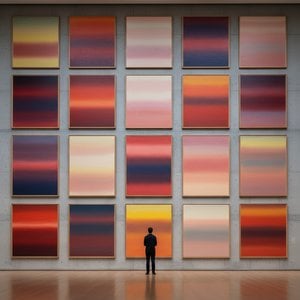
마크 로스코 최고작 25선을 만나보세요. 추상 표현주의 거장의 색채로 표현된 심오한 감정과 예술의 세계를 탐험하고, WahooArt에서 명화 복제본과 특별한 인테리어 아이디어를 찾아보세요. 지금 바로 컬렉션을 확인하세요!
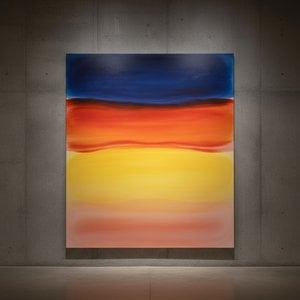
Explore the profound emotional depth of Mark Rothko's abstract expressionism. Discover the history, techniques & lasting impact of this pivotal Color Field painter. Expert insights for collectors and art enthusiasts.

추상표현주의의 심장을 뛰게 한 10대 걸작을 만나보세요. 폴록, 로스코 등 거장의 작품 비하인드 스토리와 예술적 영감을 WahooArt에서! 지금 바로 미술품 컬렉션을 탐험하고, 당신의 공간에 특별한 예술적 감성을 더하세요. WahooArt.com


 미리보기
미리보기
 공유하기
공유하기 공유하기
공유하기
 상세 정보
상세 정보 가이드 보기

 다운로드
다운로드
 유사 작품
유사 작품 X-레이
X-레이 슬라이드 쇼
 통계 정보
통계 정보
 더 보기
더 보기









 유리 옵션은 110cm 미만 크기에서만 선택 가능합니다.


