
![Untitled (still Life) [recto] — 마크 로스코](/media/artworks/images-full/81/76/8176c34b64f9b62d916edb9a2704ad25.jpg)
빠른 제작과 다양한 마감 옵션을 제공하는 박물관 품질의 지클레이 또는 캔버스 프린트. ( 손으로 그린 그림 구매 Switch to Digital Image)





























작품의 원본 비율을 유지하는 미리 설정된 크기 중에서 선택하세요.

특정 프레임이나 공간에 맞춰 직접 치수를 입력하실 수 있습니다. 선택하신 사이즈가 원본 이미지의 비율과 일치하지 않을 경우, 작품을 크롭(자르기)하거나 이미지를 대칭 또는 단색 채우기로 확장하여 제작합니다. 제작 시작 전, 최종 확인을 위해 디지털 목업이 전송됩니다.
화면상의 미리보기는 실제 크롭이나 확장 상태를 반영하지 않으므로, 최종 구도는 오직 목업을 통해서만 정확하게 확인하실 수 있습니다.
맞춤 사이즈 제작도 가능하지만, 원본 비율을 유지하기 위해서는 사전 정의된 목록에서 치수를 선택하시는 것을 권장합니다.

Untitled (still life) [recto]
복제본 크기
Created during Rothko’s formative years as an artist—roughly between 1940 and 1950—the painting reflects the broader anxieties of the post-war era. Abstract Expressionism arose in response to the devastation of World War II, rejecting traditional artistic conventions in favor of spontaneous gesture and emotional intensity. Artists like Rothko sought to grapple with existential questions about human existence, confronting themes of mortality and searching for solace amidst chaos.
While seemingly devoid of explicit imagery, “Untitled (still life)” is laden with symbolic significance. The bowl could represent containment—perhaps reflecting Rothko’s own preoccupation with confronting difficult emotions—while the vases symbolize growth and renewal. Even the inclusion of a head portrait adds another layer of complexity, hinting at contemplation and introspection. Rothko deliberately avoids providing answers; instead, he invites viewers to engage in their own emotional exploration.
The painting’s enduring appeal lies in its ability to evoke a profound sense of calm and melancholy. The muted colors—primarily reds, yellows, and blues—create an atmosphere of subdued luminosity that draws the eye inward. Rothko's masterful manipulation of color achieves something remarkable: it bypasses rational thought, tapping directly into primal emotions. It’s a piece designed not to impress but to resonate deeply within the viewer’s subconscious, prompting reflection on themes of beauty, sorrow, and the human condition.

1903 - 1970 , 라트비아
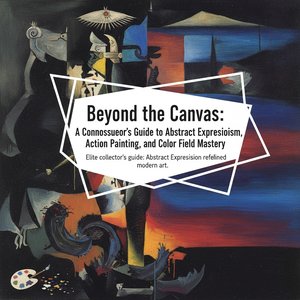
Unveil the visceral power of Abstract Expressionism. Our expert exploration delves into the transformative legacies of Pollock, Rothko, and De Kooning, offering discerning collectors a profound understanding of the New York School’s enduring mastery and historical impact.

Explore the profound legacy of American Modernism. From Geometric Abstraction to Abstract Expressionism, discover how this era redefined art history. Expert insights for elite collectors seeking to curate timeless, museum-quality masterpieces for their private collections.

 미리보기
미리보기
 공유하기
공유하기 공유하기
공유하기
 상세 정보
상세 정보

 다운로드
다운로드
 유사 작품
유사 작품 X-레이
X-레이 슬라이드 쇼
 Stats
Stats
 더 보기
더 보기









 유리 옵션은 110cm 미만 크기에서만 선택 가능합니다.


