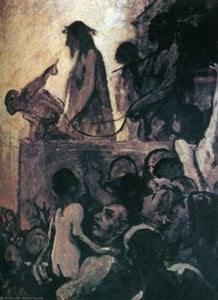
빠른 제작과 다양한 마감 옵션을 제공하는 박물관 품질의 지클레이 또는 캔버스 프린트. ( 손으로 그린 그림 구매 디지털 이미지로 전환)





























작품의 원본 비율을 유지하는 미리 설정된 크기 중에서 선택하세요.

특정 프레임이나 공간에 맞춰 직접 치수를 입력하실 수 있습니다. 선택하신 사이즈가 원본 이미지의 비율과 일치하지 않을 경우, 작품을 크롭(자르기)하거나 이미지를 대칭 또는 단색 채우기로 확장하여 제작합니다. 제작 시작 전, 최종 확인을 위해 디지털 목업이 전송됩니다.
화면상의 미리보기는 실제 크롭이나 확장 상태를 반영하지 않으므로, 최종 구도는 오직 목업을 통해서만 정확하게 확인하실 수 있습니다.
맞춤 사이즈 제작도 가능하지만, 원본 비율을 유지하기 위해서는 사전 정의된 목록에서 치수를 선택하시는 것을 권장합니다.

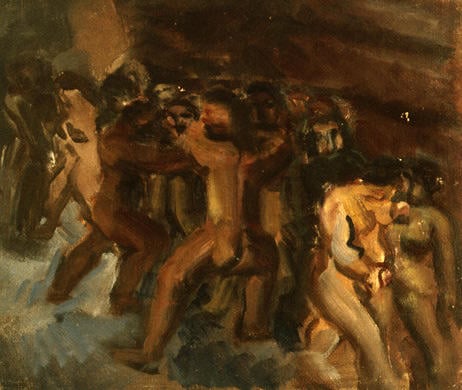
Untitled (scene with nude figures)
복제본 크기
Mark Rothko’s “Untitled” (scene with nude figures), painted in 1964, stands as a cornerstone of Abstract Expressionism and arguably one of the most emotionally resonant artworks of the 20th century. More than just pigment on canvas; it's an invitation to confront profound questions about existence itself – questions Rothko wrestled with throughout his life’s turbulent journey.
Born in Dvinsk, Latvia, Markus Yakovlevich Rothkowitz experienced firsthand the anxieties of a Jewish family navigating antisemitism and political instability. This formative backdrop instilled within him an unwavering empathy for human suffering, a preoccupation that would permeate his artistic output. The subsequent relocation to Portland, Oregon, marked not merely a geographical change but a collision with new cultural currents – a move fraught with challenges of assimilation and shadowed by the premature death of his father.
Rothko’s distinctive style eschews representational imagery altogether. Instead, he employs large rectangular blocks of color—typically hues of crimson, orange, yellow, and blue—that bleed into one another, creating an ethereal haze. This technique, termed “color field painting,” prioritizes the emotional experience over visual perception. Rothko meticulously applied thin layers of oil paint to prepare the canvas, followed by multiple coats of pigment diluted with glazing mediums. The resulting surface is remarkably matte, absorbing light rather than reflecting it—a deliberate choice designed to foster contemplation and minimize distraction.
"Untitled" emerged during a period of intense artistic experimentation following World War II. Abstract Expressionists like Jackson Pollock and Willem de Kooning pushed the boundaries of painting, rejecting traditional conventions in favor of spontaneous gesture and unfiltered emotion. Rothko’s work aligns with this broader movement but distinguishes itself through its profound stillness and meditative quality. He sought to distill human experience into its purest form—color—believing that it could communicate feelings directly without relying on intellectual interpretation.
While Rothko vehemently denied any intention to imbue his paintings with symbolic meaning, scholars have identified recurring motifs suggestive of spiritual contemplation. The nude figures depicted within the composition are not anatomically precise but rather amorphous shapes that convey vulnerability and openness. Their positioning—often intertwined or overlapping—suggests a harmonious interconnectedness, mirroring Rothko’s belief in the universality of human emotion.
"Untitled" compels viewers to confront their own perceptions of beauty and sorrow. The sheer scale of the canvas overwhelms the senses, inviting immersion in a realm beyond rational thought. As Rothko himself famously stated, “I want people to come away from my paintings with a feeling that they have experienced something transcendent.” Indeed, gazing upon this masterpiece evokes a sense of awe—a recognition of the sublime—and prompts reflection on the fundamental mysteries of human existence.

1903 - 1970 , 라트비아

Explore the profound history and emotional depth of Color Field painting. From Mark Rothko to Barnett Newman, discover how pure color redefined modern art through our expert-led guide for students and collectors alike.
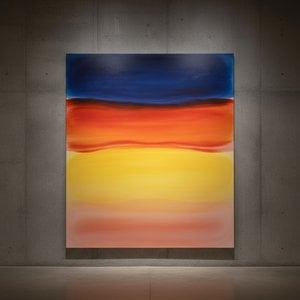
Explore the profound emotional depth of Mark Rothko's abstract expressionism. Discover the history, techniques & lasting impact of this pivotal Color Field painter. Expert insights for collectors and art enthusiasts.

추상표현주의의 심장을 뛰게 한 10대 걸작을 만나보세요. 폴록, 로스코 등 거장의 작품 비하인드 스토리와 예술적 영감을 WahooArt에서! 지금 바로 미술품 컬렉션을 탐험하고, 당신의 공간에 특별한 예술적 감성을 더하세요. WahooArt.com

Explore the profound emotional depth of Color Field painting. Discover the history of mid-century abstraction, from Rothko to Newman, and learn how pure color transforms the viewer's experience through our expert art history guide.
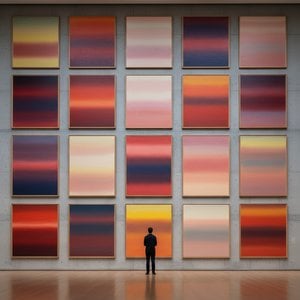
마크 로스코 최고작 25선을 만나보세요. 추상 표현주의 거장의 색채로 표현된 심오한 감정과 예술의 세계를 탐험하고, WahooArt에서 명화 복제본과 특별한 인테리어 아이디어를 찾아보세요. 지금 바로 컬렉션을 확인하세요!

 미리보기
미리보기
 공유하기
공유하기 공유하기
공유하기
 상세 정보
상세 정보 가이드 보기

 다운로드
다운로드
 유사 작품
유사 작품 X-레이
X-레이 슬라이드 쇼
 통계 정보
통계 정보
 더 보기
더 보기









 유리 옵션은 110cm 미만 크기에서만 선택 가능합니다.