
빠른 제작과 다양한 마감 옵션을 제공하는 박물관 품질의 지클레이 또는 캔버스 프린트. ( 손으로 그린 그림 구매 디지털 이미지로 전환)





























작품의 원본 비율을 유지하는 미리 설정된 크기 중에서 선택하세요.

특정 프레임이나 공간에 맞춰 직접 치수를 입력하실 수 있습니다. 선택하신 사이즈가 원본 이미지의 비율과 일치하지 않을 경우, 작품을 크롭(자르기)하거나 이미지를 대칭 또는 단색 채우기로 확장하여 제작합니다. 제작 시작 전, 최종 확인을 위해 디지털 목업이 전송됩니다.
화면상의 미리보기는 실제 크롭이나 확장 상태를 반영하지 않으므로, 최종 구도는 오직 목업을 통해서만 정확하게 확인하실 수 있습니다.
맞춤 사이즈 제작도 가능하지만, 원본 비율을 유지하기 위해서는 사전 정의된 목록에서 치수를 선택하시는 것을 권장합니다.

Untitled (Harvard Mural sketch) 1
복제본 크기
In the vast landscape of Abstract Expressionism, few works command the quiet, heavy presence of Mark Rothko’s 1963 sketch, Untitled (Harvard Mural sketch) 1. Often referred to through its central motif as “I,” this piece serves as a profound meditation on the concept of emptiness and the individual's place within the void. At first glance, the viewer is met with a striking confrontation between form and nothingness. The composition is anchored by a large, abstracted white letter "I" that seems to float amidst a sea of deep, emotive tones. This is not merely a graphic exercise; it is a deliberate exploration of how a single mark can anchor the human psyche against the overwhelming tide of the unknown.
The technical mastery behind this work lies in Rothko’s signature method of color field painting, where the boundaries between shapes are intentionally blurred to create an ethereal glow. Through the meticulous application of thin, translucent layers of pigment, Rothko achieved a sense of internal luminosity. The canvas is dominated by a rich palette of cadmium red and muted crimson, colors that bleed into one another with a soft, atmospheric instability. This layering technique allows light to appear as if it is emanating from within the canvas itself, inviting the eye to move beyond the surface and sink into the perceived depth of the reds and browns that surround the central white figure.
To understand this work is to engage with the psychological weight of the post-war era. Influenced heavily by Jungian archetypes, Rothko sought to bypass the intellect and speak directly to the universal emotions of the human soul. The red hues in this sketch evoke a primal spectrum—ranging from the vitality of life and passion to the darker undertones of blood and vulnerability. The central "I" acts as a symbol of the self, standing solitary and somewhat distorted against an expansive, encroaching background. It represents the individual’s confrontation with mortality and the existential struggle to maintain identity in a world characterized by loss and transition.
For the discerning collector or interior designer, this piece offers more than just a visual focal point; it provides an emotional atmosphere. The painting’s ability to shift between warmth and somberness makes it a versatile yet profound addition to any curated space. Whether placed in a contemplative study or as a centerpiece in a modern gallery setting, the work demands a slow, rhythmic engagement. It is a piece that does not merely decorate a wall but transforms the very air of a room, turning a physical space into a sanctuary for thought and introspection.

1903 - 1970 , 라트비아
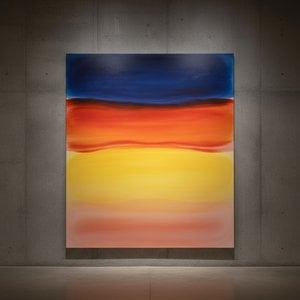
Explore the profound emotional depth of Mark Rothko's abstract expressionism. Discover the history, techniques & lasting impact of this pivotal Color Field painter. Expert insights for collectors and art enthusiasts.

추상표현주의의 심장을 뛰게 한 10대 걸작을 만나보세요. 폴록, 로스코 등 거장의 작품 비하인드 스토리와 예술적 영감을 WahooArt에서! 지금 바로 미술품 컬렉션을 탐험하고, 당신의 공간에 특별한 예술적 감성을 더하세요. WahooArt.com
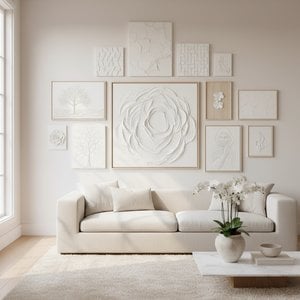
Explore 10 iconic white paintings by Monet, Whistler & Rothko! Discover the stories behind these serene masterpieces and their impact on art history. Find museum-quality reproductions for your home decor at .

Journey through Wassily Kandinsky's 25 most iconic abstract paintings. Explore his revolutionary use of color, form & spiritual expressionism. Find museum-quality Kandinsky reproductions and elevate your home decor with WahooArt.com. Discover all masterpieces on WahooArt.com!
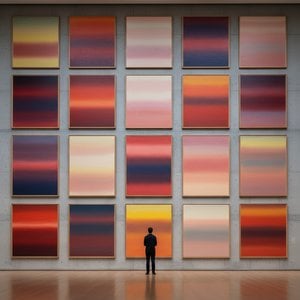
마크 로스코 최고작 25선을 만나보세요. 추상 표현주의 거장의 색채로 표현된 심오한 감정과 예술의 세계를 탐험하고, WahooArt에서 명화 복제본과 특별한 인테리어 아이디어를 찾아보세요. 지금 바로 컬렉션을 확인하세요!


 미리보기
미리보기
 공유하기
공유하기 공유하기
공유하기
 상세 정보
상세 정보

 다운로드
다운로드
 유사 작품
유사 작품 X-레이
X-레이 슬라이드 쇼
 통계 정보
통계 정보

 더 보기
더 보기









 유리 옵션은 110cm 미만 크기에서만 선택 가능합니다.


