
원하는 크기와 액자로 주문 제작되는, 작가들이 직접 캔버스에 손으로 그린 유화 작품입니다. ( 프린트 판매로 전환 디지털 이미지로 전환)





























작품의 원본 비율을 유지하는 미리 설정된 크기 중에서 선택하세요.

특정 프레임이나 공간에 맞도록 직접 크기를 입력할 수 있습니다. 선택하신 크기가 원본 이미지의 비율과 일치하지 않는 경우, 작품을 자르거나 추가적인 손으로 그린 요소를 사용하여 그림을 확장합니다. 제작 시작 전 승인을 위해 디지털 목업을 보내드립니다.
화면 미리 보기는 실제 자르기 또는 확장을 반영하지 않습니다. 최종 구성은 목업을 통해서만 정확하게 확인하실 수 있습니다.
맞춤 크기 제작도 가능하지만, 원본 비율을 유지하기 위해 사전 정의된 목록에서 크기를 선택하시는 것을 권장합니다.

Untitled (figure lying on park bench)
복제본 크기
Mark Rothko’s “Untitled (Figure Lying on Park Bench)” isn’t merely a painting; it’s an invitation to contemplation. Completed in 1949, during the heart of his formative period as an abstract expressionist, this work encapsulates the core tenets of Rothko's signature style – vast fields of luminous color designed not to represent objects directly, but to evoke profound emotional responses within the viewer. The painting’s power resides in its ability to distill a complex human experience—solitude, introspection, perhaps even a touch of melancholy—into a deceptively simple composition.
The scene unfolds with remarkable restraint. A solitary figure, rendered almost as an amorphous silhouette, rests on a park bench beneath the expansive sky. The bench itself is subtly suggested, anchoring the figure within a space that feels both familiar and profoundly distanced. Rothko’s masterful use of color—a layered blend of deep blues, greens, and reds—creates an atmosphere of quiet intensity. These aren't vibrant hues meant to dazzle; rather, they are muted, almost somber tones, imbued with a sense of depth and luminosity that seems to emanate from within the canvas itself. The colors bleed into one another, blurring the boundaries between form and field, contributing to the painting’s dreamlike quality.
Rothko’s technique was revolutionary for its time. He eschewed traditional brushwork, opting instead for a process he described as “laying color on color.” He applied thin washes of paint directly to the canvas, allowing them to blend and merge organically. This method resulted in surfaces that appear almost velvety, with subtle gradations of tone and texture. The lack of sharp edges or defined forms is deliberate; Rothko sought to create a sense of immersion, encouraging the viewer to lose themselves within the painting’s chromatic depths. He famously stated, “I'm not interested in what I show, but in what I evoke.”
The layering technique also contributes significantly to the painting’s spatial ambiguity. The colors seem to recede and advance simultaneously, creating a sense of infinite space within the confines of the canvas. This effect is further enhanced by Rothko's careful attention to color temperature – the warmth or coolness of each hue – which subtly guides the viewer’s eye across the composition.
“Untitled (Figure Lying on Park Bench)” was created during a period of significant social and psychological upheaval in post-war America. The painting reflects the anxieties and uncertainties of the era, capturing a sense of isolation and alienation that resonated deeply with many viewers. The figure’s posture—relaxed yet vulnerable—suggests a moment of quiet contemplation, perhaps a respite from the pressures of urban life. It's important to note that Rothko himself often refused to provide definitive interpretations of his work, preferring to leave it open to individual experience.
Interestingly, the painting’s genesis is tied to Rothko’s own personal struggles with depression and a sense of displacement. Born in Latvia and immigrating to America as a young child, he carried within him a profound awareness of loss and the complexities of identity. The park bench itself can be seen as a symbol of transition—a place of rest and reflection between destinations.
“Untitled (Figure Lying on Park Bench)” remains one of Mark Rothko’s most iconic works, captivating audiences with its quiet intensity and profound emotional depth. High-quality reproductions capture a significant portion of the original's luminous quality, offering a window into this powerful piece of art history. When considering a reproduction for your home or office, seek out prints that utilize archival inks on museum-grade canvas to ensure color accuracy and longevity. The painting’s ability to evoke contemplation makes it an ideal addition to any space seeking serenity and artistic inspiration.

1903 - 1970 , 라트비아
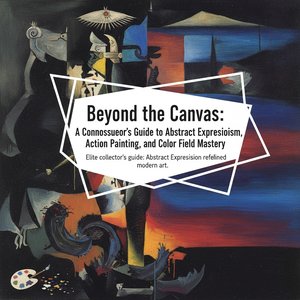
Unveil the visceral power of Abstract Expressionism. Our expert exploration delves into the transformative legacies of Pollock, Rothko, and De Kooning, offering discerning collectors a profound understanding of the New York School’s enduring mastery and historical impact.


 미리보기
미리보기
 공유하기
공유하기 공유하기
공유하기
 상세 정보
상세 정보 가이드 보기

 다운로드
다운로드
 유사 작품
유사 작품 X-레이
X-레이 슬라이드 쇼
 통계 정보
통계 정보
 더 보기
더 보기









 유리 옵션은 110cm 미만 크기에서만 선택 가능합니다.


