

 Acrylic On CanvasWallArtColor Field Painting
 1945
1945 49.0 x 64.0 cm
이 페이지에 표시된 작품은 저작권법의 보호를 받으며, 이에 따라 동일한 복제품을 제작하거나 판매하는 것은 법으로 금지되어 있습니다. 이러한 권리 보호는 다음과 같은 국제 협약에 따라 시행됩니다. 베른 협약 또한 다음에서 명시하는 법률을 포함한 국내법에 의해 보호됩니다. 미국 저작권법 제17조.
이 방식은 저작권 보호를 받는 예술 작품을 복제하거나 그대로 재현하는 것이 아니기에 저작권 규정을 완벽히 준수합니다. 대신, 이는 창의적인 재해석의 과정을 거칩니다. 즉, 원작에서 영감을 받되 원작과 동일하지 않은 새로운 회화 작품을 의미합니다.
빠른 제작과 다양한 마감 옵션을 선택할 수 있는 박물관 수준의 지클레이 및 캔버스 프린트. ( 수작업 채색 복제본 주문하기 디지털 이미지 판매 채널로 전환)





























작품의 원본 비율을 그대로 유지하는 프리셋 사이즈 중에서 선택해 보세요.

액자나 벽면 크기에 맞춰 필요한 가로와 세로 길이를 입력해 주세요. 프린트는 원본 이미지보다 크게 제작할 수 없으며 오직 자르는 것만 가능하므로, 비율이 다른 사이즈를 선택할 경우 이미지의 일부가 잘려 나갈 수 있습니다. 인쇄 작업에 들어가기 전, 최종 확인을 위해 디지털 목업을 보내드립니다. 이 페이지에 표시된 이미지는 실제 잘리는 영역을 나타내지 않으며, 오직 목업을 통해서만 정확한 확인이 가능합니다.
Untitled
복제본 규격
Mark Rothko’s 1945 painting, simply titled “Untitled,” isn’t merely a composition of color; it’s an invitation to a profound and deeply personal experience. This monochrome work, measuring 49 x 64 cm, embodies the core tenets of Color Field painting – a movement Rothko pioneered alongside Barnett Newman and Clyfford Still – yet possesses a uniquely intimate quality. Born in Dvinsk (now Daugavpils), Latvia, in 1903, Rothko’s early life was steeped in displacement and a nascent awareness of human suffering, themes that would relentlessly inform his artistic vision. The painting itself feels like a distillation of this experience, a carefully constructed space designed to evoke contemplation rather than direct representation.

The painting’s power resides in its deceptively simple execution. Rothko eschewed traditional brushwork, opting instead for a layering technique that builds up thin washes of pigment – primarily blacks, whites, and grays – to create vast, luminous rectangles. These forms aren't sharply defined; they bleed into one another, creating an atmospheric depth that draws the viewer inward. Notice how the edges are soft, almost dissolving, contributing to the painting’s sense of etherealness. The careful balance between light and shadow is crucial, generating a subtle vibration within the canvas – a visual equivalent of breath or pulse. The absence of recognizable imagery forces the eye to engage directly with the color itself, triggering associations and emotions without explicit guidance.
While Rothko famously resisted definitive interpretations of his work, art historians have identified recurring motifs. The presence of musical instruments – a violin prominently positioned in the upper right corner and another in the lower left – suggests themes of memory, music, and perhaps even loss. These objects, rendered with a delicate restraint, hint at moments of beauty and melancholy within a broader narrative of human experience. The clock, strategically placed near the center, could represent time’s relentless passage or the fragility of existence. The birds above, seemingly suspended in this colored space, evoke notions of freedom, aspiration, or perhaps even mortality – symbols that resonate deeply with Rothko's lifelong exploration of existential themes.
Created in 1945, during the tumultuous years following World War II, this “Untitled” reflects a world grappling with profound uncertainty. Rothko’s work stands as a powerful response to these anxieties, offering not answers but rather a space for individual reflection. It aligns with the broader trajectory of Abstract Expressionism, moving beyond representational art towards a more subjective and emotionally driven approach. Consider Rothko's later works, such as those in the Rothko Chapel in Houston, where he sought to create immersive environments designed to evoke spiritual contemplation. This 1945 painting serves as an early precursor to that ambition, demonstrating his nascent understanding of color’s capacity to communicate profound emotional states. Reproductions from WahooArt.com offer a remarkable opportunity to experience the depth and subtlety of this seminal work, bringing Rothko's silent dialogue into your space.

1903 - 1970 , 라트비아
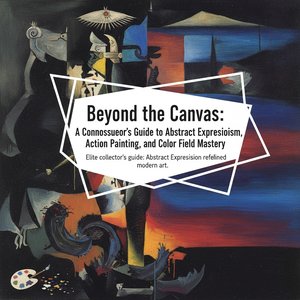
Unveil the visceral power of Abstract Expressionism. Our expert exploration delves into the transformative legacies of Pollock, Rothko, and De Kooning, offering discerning collectors a profound understanding of the New York School’s enduring mastery and historical impact.

 실제 크기로 보기
 보내기
보내기 공유하기
공유하기
 상세 보기
상세 보기 가이드 보기

 이미지 다운로드
 유사 작품 더 보기
 X-레이
X-레이 슬라이드 쇼 보기
 통계 정보
통계 정보 상세 보기
상세 보기









 유리 옵션은 110cm 미만 크기에서만 선택 가능합니다.


