

이 페이지에 표시된 작품은 저작권법의 보호를 받으며, 이에 따라 동일한 복제품을 제작하거나 판매하는 것은 법으로 금지되어 있습니다. 이러한 권리 보호는 다음과 같은 국제 협약에 따라 시행됩니다. 베른 협약 또한 다음에서 명시하는 법률을 포함한 국내법에 의해 보호됩니다. 미국 저작권법 제17조.
이 방식은 저작권 보호를 받는 예술 작품을 복제하거나 그대로 재현하는 것이 아니기에 저작권 규정을 완벽히 준수합니다. 대신, 이는 창의적인 재해석의 과정을 거칩니다. 즉, 원작에서 영감을 받되 원작과 동일하지 않은 새로운 회화 작품을 의미합니다.
빠른 제작과 다양한 마감 옵션을 선택할 수 있는 박물관 수준의 지클레이 및 캔버스 프린트. ( 수작업 채색 복제본 주문하기 디지털 이미지 판매 채널로 전환)





























작품의 원본 비율을 그대로 유지하는 프리셋 사이즈 중에서 선택해 보세요.

액자나 벽면 크기에 맞춰 필요한 가로와 세로 길이를 입력해 주세요. 프린트는 원본 이미지보다 크게 제작할 수 없으며 오직 자르는 것만 가능하므로, 비율이 다른 사이즈를 선택할 경우 이미지의 일부가 잘려 나갈 수 있습니다. 인쇄 작업에 들어가기 전, 최종 확인을 위해 디지털 목업을 보내드립니다. 이 페이지에 표시된 이미지는 실제 잘리는 영역을 나타내지 않으며, 오직 목업을 통해서만 정확한 확인이 가능합니다.
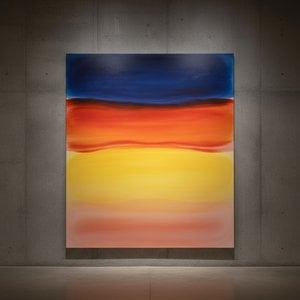
Untitled 63
복제본 규격
Mark Rothko's "Untitled 63" isn’t merely a painting; it’s an immersion. Born in 1903 in Dvinsk, Latvia – a region steeped in historical tension and shifting borders – Rothko’s early life profoundly shaped his artistic vision. His family’s journey from the Pale of Settlement to Portland, Oregon, in 1913 marked a dramatic cultural upheaval, a displacement that resonated deeply within him. The loss of his father at a young age, coupled with the challenges of assimilation and the ever-present anxieties of Jewish life under Tsarist rule, instilled a sensitivity to human suffering – a core theme that would permeate much of his work. This early experience of loss and uncertainty isn’t just biographical; it's woven into the very fabric of the painting, manifesting as an underlying sense of melancholy and yearning.
Rothko’s upbringing was remarkably intellectual. His father, a pharmacist and socialist, fostered a home filled with debate and learning, exposing young Mark to radical ideas and encouraging critical thinking. This environment instilled in him a deep appreciation for knowledge and a questioning spirit – qualities that would later inform his approach to art. The move to the United States wasn’t simply a geographical shift; it was a severing of ties to a familiar past, forcing Rothko to confront new identities and grapple with the complexities of belonging. This foundational experience of displacement is arguably the key to understanding the emotional depth of "Untitled 63" – a painting that speaks volumes about the human condition through its carefully orchestrated fields of color.
"Untitled 63" exemplifies Rothko’s signature style within Color Field Painting, a movement he helped pioneer. The work eschews traditional representation, instead focusing on the pure emotional impact of color itself. Large, rectangular blocks of deep violet, verdant green, and resonant red dominate the canvas, layered upon one another to create an almost palpable sense of depth and atmosphere. These aren’t simply colors; they are vessels for feeling – evoking a range of emotions from quiet contemplation to profound sorrow. Rothko meticulously applied thin layers of paint, allowing the colors to bleed subtly into each other, creating hazy, luminous effects that seem to vibrate with inner light.
The technique is deceptively simple yet incredibly complex. Rothko’s process involved applying multiple coats of thinned paint, often using a squeegee to create smooth, even surfaces. He avoided brushstrokes, opting instead for a flat, almost sculptural quality that further emphasizes the colors' inherent luminosity. This deliberate flatness invites the viewer to step into the painting, to lose themselves within its chromatic depths and experience it not as an object to be observed, but as a space to be inhabited.
While Rothko vehemently resisted any attempt to interpret his paintings literally, the arrangement of the vases and cups within "Untitled 63" offers intriguing clues. The central vase, holding a single cup, can be seen as a symbol of containment – perhaps representing the human spirit struggling against the weight of existence. The surrounding vases, in varying sizes and positions, suggest a network of interconnectedness, hinting at relationships, memories, and the cyclical nature of life and death. The scattered cups, both near and far from the central composition, could symbolize fleeting moments of joy or sorrow, reminders of past experiences that linger in our consciousness.
However, Rothko’s intention wasn't to provide a concrete narrative. Instead, he sought to create paintings that would evoke a profound emotional response in the viewer – a sense of awe, mystery, and perhaps even transcendence. The ambiguity of the imagery allows for individual interpretation, inviting each observer to project their own experiences and emotions onto the canvas. It’s this very openness that makes "Untitled 63" such a powerful and enduring work of art.
Mark Rothko's “Untitled 63” stands as a testament to the power of color to communicate profound emotions. Reproductions, like those offered by WahooArt.com, allow viewers to experience this emotional depth firsthand, bringing Rothko’s evocative vision into their own spaces. The painting’s enduring appeal lies in its ability to tap into universal human experiences – loss, longing, and the search for meaning – making it a timeless masterpiece that continues to resonate with audiences today.
마크 로스코의 "Untitled 63"은(는) Living Room에 추천하는 작품입니다. 이 제안은 작품의 주제, 색상 및 분위기를 바탕으로 합니다.
마크 로스코의 "Untitled 63"은(는) Modern 시대의 Color Field Abstraction 사조에 속합니다. 이 요소들이 어우러져 미술사에서 이 작품이 갖는 위상을 완성합니다.
마크 로스코의 "Untitled 63"은(는) Earthy 색조의 팔레트를 사용합니다. 이 팔레트는 작품 전체의 색채적 특징을 집약적으로 보여줍니다.

1903 - 1970 , 라트비아

추상표현주의의 심장을 뛰게 한 10대 걸작을 만나보세요. 폴록, 로스코 등 거장의 작품 비하인드 스토리와 예술적 영감을 WahooArt에서! 지금 바로 미술품 컬렉션을 탐험하고, 당신의 공간에 특별한 예술적 감성을 더하세요. WahooArt.com

Explore the profound emotional depth of Color Field painting. Our expert guide delves into the post-war origins of Abstract Expressionism, analyzing masterpieces by Rothko and Newman. Discover museum-grade, hand-painted oil reproductions that bring art history to your walls.

마크 로스코 최고작 25선을 만나보세요. 추상 표현주의 거장의 색채로 표현된 심오한 감정과 예술의 세계를 탐험하고, WahooArt에서 명화 복제본과 특별한 인테리어 아이디어를 찾아보세요. 지금 바로 컬렉션을 확인하세요!
Explore the profound emotional depth of Mark Rothko's abstract expressionism. Discover the history, techniques & lasting impact of this pivotal Color Field painter. Expert insights for collectors and art enthusiasts.

Explore the profound emotional depth of Color Field painting. Discover the history of mid-century abstraction, from Rothko to Newman, and learn how pure color transforms the viewer's experience through our expert art history guide.

 실제 크기로 보기
 보내기
보내기 공유하기
공유하기
 상세 보기
상세 보기 가이드 보기

 이미지 다운로드
 유사 작품 더 보기
 X-레이
X-레이 슬라이드 쇼 보기
 통계 정보
통계 정보

 상세 보기
상세 보기









 유리 옵션은 110cm 미만 크기에서만 선택 가능합니다.


