

이 페이지에 표시된 작품은 저작권법의 보호를 받으며, 이에 따라 동일한 복제품을 제작하거나 판매하는 것은 법으로 금지되어 있습니다. 이러한 권리 보호는 다음과 같은 국제 협약에 따라 시행됩니다. 베른 협약 또한 다음에서 명시하는 법률을 포함한 국내법에 의해 보호됩니다. 미국 저작권법 제17조.
저희는 존중을 담은 합법적인 대안으로서, 원작에서 영감을 받은 맞춤형 수제 유화 작품을 제공합니다. 저희의 숙련된 전문 화가들은 원작의 스타일, 분위기, 예술적 정수를 면밀히 연구하여, 그 자체로 독창적인 창작물이면서도 원작과 동일한 감동을 불러일으키는 새로운 작품을 만들어냅니다.
이 방식은 저작권 보호를 받는 예술 작품을 복제하거나 그대로 재현하는 것이 아니기에 저작권 규정을 완벽히 준수합니다. 대신, 이는 창의적인 재해석의 과정을 거칩니다. 즉, 원작에서 영감을 받되 원작과 동일하지 않은 새로운 회화 작품을 의미합니다.
작가가 직접 캔버스에 손으로 그린 유화 작품으로, 원하는 크기와 액자로 맞춤 제작해 드립니다. ( 프린트 판매로 전환 디지털 이미지 판매 채널로 전환)





























작품의 원본 비율을 그대로 유지하는 프리셋 사이즈 중에서 선택해 보세요.

액자나 벽면 크기에 맞춰 필요한 가로와 세로 길이를 입력해 주세요. 본 작품은 수작업으로 제작되므로, 요청하신 비율에 따라 작가가 그림의 가장자리를 조금 더 넓게 그리거나 일부를 조정하여 작업할 수 있습니다. 작업 시작 전, 최종 확인을 위해 디지털 목업 이미지를 보내드립니다. 이 페이지에 표시된 이미지는 실제 결과물과 다를 수 있으며, 오직 목업 이미지만이 정확한 결과물을 보여줍니다.
Untitled 23
복제본 규격
To stand before Mark Rothko’s “Untitled 23” is to step away from the clamor of the external world and enter a sanctuary of profound, silent dialogue. Painted in 1964, this monumental work serves as a cornerstone of the Abstract Expressionist movement, a period defined by a radical rejection of representational imagery in favor of the raw power of pure form. Rothko does not merely present a painting; he constructs an environment. Through his signature technique of layering thin, translucent washes of pigment onto linen, he creates hazy, luminous rectangles that appear to hover and breathe upon the canvas. These edges are never sharp; instead, they bleed into one another with an ethereal softness, inviting the viewer into a state of deep, meditative contemplation rather than mere visual analysis.
The composition is deceptively simple yet architecturally profound. The palette is dominated by varying shades of blue, a choice that orchestrates a complex emotional duality. On one hand, these cerulean and deep azure tones evoke a sense of immense serenity and spiritual depth; on the other, they carry a weight of melancholy and introspection. While Rothko famously resisted explicit symbolism, believing that color alone could communicate the fundamental human emotions of tragedy, ecstasy, and doom, scholars often find in these blue fields a reflection of the infinite. The way the light seems to emanate from within the layers of pigment suggests a spiritual luminosity, making the canvas feel less like a flat surface and more like a window into a boundless, atmospheric realm.
The historical context of “Untitled 23” is inseparable from the artist’s own journey of displacement and existential searching. Born Markus Yakovlevich Rothkowitz in Latvia, Rothko’s early life was shaped by the anxieties of a Jewish family navigating political unrest and the profound sense of loss that accompanies immigration. This sensitivity to human vulnerability became the bedrock of his artistic vision. In the post-World War II era, as the world grappled with unprecedented trauma, Rothko’s move toward non-figurative art offered a new language for expressing the unspeakable. His work does not demand attention through frantic movement; rather, it commands presence through its rhythmic, slow-breathing intensity.
For the discerning collector or interior designer, a high-quality reproduction of this masterpiece offers more than just aesthetic beauty; it provides an emotional anchor for a space. The sheer scale and atmospheric depth of “Untitled 23” make it an ideal centerpiece for environments designed for reflection, such as a quiet study, a minimalist gallery-style living room, or a serene wellness space. Integrating such a work into a modern interior allows the subtle interplay of light and shadow to transform the room's energy, creating an atmosphere of sophisticated calm. To possess a piece of this caliber is to invite the transformative power of Rothko’s vision into one's daily life, turning a physical space into a profound emotional landscape.
"Untitled 23"의 형식은 Landscape입니다. 이는 작품 복제본을 배치할 공간을 계획할 때 유용합니다.
마크 로스코의 "Untitled 23"은(는) 작품의 슬라이드쇼 페이지에서 슬라이드쇼로 감상하실 수 있습니다.
마크 로스코의 "Untitled 23"은(는) Color Field Painting 사조에 속합니다. 이 사조는 해당 작품의 양식적 배경을 제공합니다.

1903 - 1970 , 라트비아
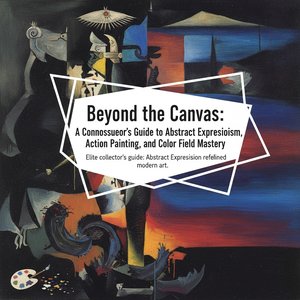
Unveil the visceral power of Abstract Expressionism. Our expert exploration delves into the transformative legacies of Pollock, Rothko, and De Kooning, offering discerning collectors a profound understanding of the New York School’s enduring mastery and historical impact.

Explore the profound legacy of American Modernism. From Geometric Abstraction to Abstract Expressionism, discover how this era redefined art history. Expert insights for elite collectors seeking to curate timeless, museum-quality masterpieces for their private collections.

 실제 크기로 보기
 보내기
보내기 공유하기
공유하기
 상세 보기
상세 보기 가이드 보기

 이미지 다운로드
 유사 작품 더 보기
 X-레이
X-레이 슬라이드 쇼 보기
 통계 정보
통계 정보

 상세 보기
상세 보기









 유리 옵션은 110cm 미만 크기에서만 선택 가능합니다.


