

이 페이지에 표시된 작품은 저작권법의 보호를 받으며, 이에 따라 동일한 복제품을 제작하거나 판매하는 것은 법으로 금지되어 있습니다. 이러한 권리 보호는 다음과 같은 국제 협약에 따라 시행됩니다. 베른 협약 또한 다음에서 명시하는 법률을 포함한 국내법에 의해 보호됩니다. 미국 저작권법 제17조.
이 방식은 저작권 보호를 받는 예술 작품을 복제하거나 그대로 재현하는 것이 아니기에 저작권 규정을 완벽히 준수합니다. 대신, 이는 창의적인 재해석의 과정을 거칩니다. 즉, 원작에서 영감을 받되 원작과 동일하지 않은 새로운 회화 작품을 의미합니다.
빠른 제작과 다양한 마감 옵션을 선택할 수 있는 박물관 수준의 지클레이 및 캔버스 프린트. ( 수작업 채색 복제본 주문하기 디지털 이미지 판매 채널로 전환)





























작품의 원본 비율을 그대로 유지하는 프리셋 사이즈 중에서 선택해 보세요.

액자나 벽면 크기에 맞춰 필요한 가로와 세로 길이를 입력해 주세요. 프린트는 원본 이미지보다 크게 제작할 수 없으며 오직 자르는 것만 가능하므로, 비율이 다른 사이즈를 선택할 경우 이미지의 일부가 잘려 나갈 수 있습니다. 인쇄 작업에 들어가기 전, 최종 확인을 위해 디지털 목업을 보내드립니다. 이 페이지에 표시된 이미지는 실제 잘리는 영역을 나타내지 않으며, 오직 목업을 통해서만 정확한 확인이 가능합니다.
Untitled (20)
복제본 규격
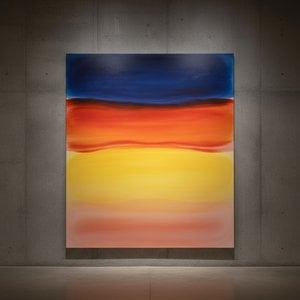
In the profound silence of Mark Rothko’s “Untitled (20),” painted in 1957, viewers are invited into a space where the boundaries between life and death begin to dissolve. This work stands as a cornerstone of Color Field painting, yet it transcends the movement's typical abstraction through its hauntingly visceral subject matter. The painting presents a solitary figure burdened by a skeleton perched upon its back—a motif that establishes an immediate, jarring dialogue between flesh and bone. As one gazes deeper into the composition, additional figures emerge, subtly decaying or bearing skeletal protrusions, creating a pervasive sense of disintegration that captures the inescapable confrontation with mortality.
The emotional weight of the piece is amplified by its historical resonance. Emerging in the wake of Hiroshima and Nagasaki, “Untitled (20)” reflects the pervasive anxieties of the Cold War era, a period marked by nuclear threat and a growing awareness of humanity's vulnerability. Rothko does not merely depict specific historical events; instead, he taps into the collective subconscious to convey universal feelings of sorrow, contemplation, and spiritual yearning. The presence of a chair in the background adds an unexpected, grounded element to the composition, perhaps suggesting a domesticity that has been interrupted by the spectral intrusion of death.
While the subject matter is strikingly figurative, Rothko employs his signature technique to create a hypnotic, atmospheric effect. The painting utilizes large, rectangular blocks of color—primarily deep reds, oranges, and yellows—that appear to bleed into one another. Through a meticulous layering process, Rothko creates an illusion of depth and luminosity, eschewing traditional brushstrokes for a deliberate flatness that prioritizes emotional resonance over representational accuracy. The absence of discernible contours allows the colors to breathe, inviting the viewer into a meditative state.
The symbolism within “Untitled (20)” is as complex as its execution. The skeleton serves as a potent emblem of decay and our inevitable demise; however, its position atop the central figure suggests a sense of resilience and endurance, hinting at the possibility of transcendence beyond earthly limitations. Conversely, the overlapping blocks of color represent amorphous forms that evoke warmth, comfort, and spiritual illumination. This duality—the tension between the macabre imagery and the radiant palette—is designed to bypass rational thought and engage directly with the human soul. For collectors and designers, a high-quality reproduction of this work offers more than mere decoration; it provides a profound focal point for introspection, bringing a sense of awe, melancholy, and quiet strength into any curated space.
마크 로스코의 "Untitled (20)"의 전반적인 분위기는 Dramatic입니다. 이 분위기는 작품의 전반적인 공기를 설명합니다.
마크 로스코의 "Untitled (20)"은(는) Earthy 색조의 팔레트를 사용합니다. 이 팔레트는 작품 전체의 색채적 특징을 집약적으로 보여줍니다.
마크 로스코의 "Untitled (20)"은(는) Melancholic 감성을 전달합니다.

1903 - 1970 , 라트비아

마크 로스코 최고작 25선을 만나보세요. 추상 표현주의 거장의 색채로 표현된 심오한 감정과 예술의 세계를 탐험하고, WahooArt에서 명화 복제본과 특별한 인테리어 아이디어를 찾아보세요. 지금 바로 컬렉션을 확인하세요!

Explore the profound history and emotional depth of Color Field painting. From Mark Rothko to Barnett Newman, discover how pure color redefined modern art through our expert-led guide for students and collectors alike.

추상표현주의의 심장을 뛰게 한 10대 걸작을 만나보세요. 폴록, 로스코 등 거장의 작품 비하인드 스토리와 예술적 영감을 WahooArt에서! 지금 바로 미술품 컬렉션을 탐험하고, 당신의 공간에 특별한 예술적 감성을 더하세요. WahooArt.com
Explore the profound emotional depth of Mark Rothko's abstract expressionism. Discover the history, techniques & lasting impact of this pivotal Color Field painter. Expert insights for collectors and art enthusiasts.

Explore the profound emotional depth of Color Field painting. Discover the history of mid-century abstraction, from Rothko to Newman, and learn how pure color transforms the viewer's experience through our expert art history guide.

 실제 크기로 보기
 보내기
보내기 공유하기
공유하기
 상세 보기
상세 보기 가이드 보기

 이미지 다운로드
 유사 작품 더 보기
 X-레이
X-레이 슬라이드 쇼 보기
 통계 정보
통계 정보

 상세 보기
상세 보기









 유리 옵션은 110cm 미만 크기에서만 선택 가능합니다.


