

이 페이지에 표시된 작품은 저작권법의 보호를 받으며, 이에 따라 동일한 복제품을 제작하거나 판매하는 것은 법으로 금지되어 있습니다. 이러한 권리 보호는 다음과 같은 국제 협약에 따라 시행됩니다. 베른 협약 또한 다음에서 명시하는 법률을 포함한 국내법에 의해 보호됩니다. 미국 저작권법 제17조.
저희는 존중을 담은 합법적인 대안으로서, 원작에서 영감을 받은 맞춤형 수제 유화 작품을 제공합니다. 저희의 숙련된 전문 화가들은 원작의 스타일, 분위기, 예술적 정수를 면밀히 연구하여, 그 자체로 독창적인 창작물이면서도 원작과 동일한 감동을 불러일으키는 새로운 작품을 만들어냅니다.
이 방식은 저작권 보호를 받는 예술 작품을 복제하거나 그대로 재현하는 것이 아니기에 저작권 규정을 완벽히 준수합니다. 대신, 이는 창의적인 재해석의 과정을 거칩니다. 즉, 원작에서 영감을 받되 원작과 동일하지 않은 새로운 회화 작품을 의미합니다.
작가가 직접 캔버스에 손으로 그린 유화 작품으로, 원하는 크기와 액자로 맞춤 제작해 드립니다. ( 프린트 판매로 전환 디지털 이미지 판매 채널로 전환)





























작품의 원본 비율을 그대로 유지하는 프리셋 사이즈 중에서 선택해 보세요.

액자나 벽면 크기에 맞춰 필요한 가로와 세로 길이를 입력해 주세요. 본 작품은 수작업으로 제작되므로, 요청하신 비율에 따라 작가가 그림의 가장자리를 조금 더 넓게 그리거나 일부를 조정하여 작업할 수 있습니다. 작업 시작 전, 최종 확인을 위해 디지털 목업 이미지를 보내드립니다. 이 페이지에 표시된 이미지는 실제 결과물과 다를 수 있으며, 오직 목업 이미지만이 정확한 결과물을 보여줍니다.
Untitled 127
복제본 규격
Mark Rothko's "Untitled 127," a deceptively simple black and white photograph capturing an oil-on-canvas painting, isn’t merely a depiction of color; it’s an invitation to a profound, almost unsettling, dialogue with the viewer. Born in 1903 in Dvinsk, Latvia – a landscape etched by displacement and historical upheaval – Rothko's early life profoundly shaped his artistic vision. The anxieties of a Jewish family amidst political unrest instilled within him a sensitivity to human suffering, a theme that would become a recurring motif throughout his oeuvre. This sense of unease, coupled with the trauma of his father’s death shortly after the family’s immigration to Portland, Oregon in 1913, fueled an exploration of existential themes – mortality, loss, and the persistent search for meaning within a seemingly indifferent universe. The photograph itself, stripped of color, forces us to confront the raw emotionality of Rothko's work, highlighting the interplay of light and shadow, form and void that defines his signature style.
At first glance, "Untitled 127" presents a deceptively straightforward composition: a large square dominated by a darker central area, encircled by lighter zones. However, closer inspection reveals a complex interplay of smaller squares within this core, creating an intricate pattern that subtly deepens the sense of spatial depth. Rothko’s technique is characterized by its deliberate simplicity and profound restraint. He eschewed overt gestures or brushstrokes, opting instead for thin layers of oil paint applied to canvas – sometimes almost translucent – to create fields of color that seem to vibrate with an inner light. The photograph expertly captures this delicate layering, revealing the subtle gradations of tone and texture that are crucial to understanding Rothko’s approach. The use of black as a dominant element isn't simply about darkness; it represents a void, a space for contemplation, a reflection on the unknown.
Understanding Rothko requires considering his broader artistic context and particularly his involvement with the Rothko Chapel in Houston, Texas. Commissioned by John and Dominique de Menil, the chapel was designed to be a space for meditation and reflection, mirroring the emotional intensity of Rothko’s paintings. The fourteen murals within the chapel – including variations on “Untitled 127” – are intended to evoke a sense of awe and spiritual connection. The Chapel's architecture itself—an octagon inscribed in a Greek cross—was heavily influenced by Rothko’s vision, creating an environment that amplifies the contemplative power of his work. The chapel served as a crucial testing ground for Rothko’s ideas about color and form, demonstrating how these elements could be used to communicate profound emotional truths without resorting to representational imagery.
“Untitled 127,” whether viewed as a photograph or the original painting, remains a powerfully evocative work. It’s not about depicting a specific scene or object; it's about conveying an emotional state – a sense of longing, vulnerability, and perhaps even transcendence. Rothko believed that his paintings could act as “windows” into the soul, offering viewers a glimpse beyond the surface of reality. The stark simplicity of the composition, combined with the subtle shifts in color and tone, creates a space for individual interpretation and emotional resonance. Reproductions of this piece offer an accessible way to experience Rothko’s profound vision, bringing his exploration of existential themes into any setting – from a contemplative gallery space to a carefully considered interior design.
"Untitled 127"의 슬라이드쇼는 작품의 슬라이드쇼 페이지에서 감상하실 수 있습니다.
마크 로스코의 "Untitled 127"과(와) 관련된 미술 사조는 Abstract Expressionism입니다. 이러한 분류를 통해 해당 작품을 관련 작가 및 예술 작품들과 함께 파악할 수 있습니다.
마크 로스코의 반복되는 주제에는 lived experience, trauma, existentialism, jewish identity, displacement, loss, color as emotion, spiritual depth가 포함되어 있으며, "Untitled 127"은 color field, rothko, abstraction, emotion, square, darkness, light에 초점을 맞추고 있습니다.

1903 - 1970 , 라트비아
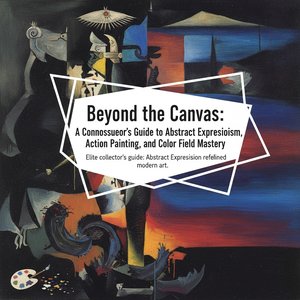
Unveil the visceral power of Abstract Expressionism. Our expert exploration delves into the transformative legacies of Pollock, Rothko, and De Kooning, offering discerning collectors a profound understanding of the New York School’s enduring mastery and historical impact.

 실제 크기로 보기
 보내기
보내기 공유하기
공유하기
 상세 보기
상세 보기 가이드 보기

 이미지 다운로드
 유사 작품 더 보기
 X-레이
X-레이 슬라이드 쇼 보기
 통계 정보
통계 정보
 상세 보기
상세 보기









 유리 옵션은 110cm 미만 크기에서만 선택 가능합니다.


