

이 페이지에 표시된 작품은 저작권법의 보호를 받으며, 이에 따라 동일한 복제품을 제작하거나 판매하는 것은 법으로 금지되어 있습니다. 이러한 권리 보호는 다음과 같은 국제 협약에 따라 시행됩니다. 베른 협약 또한 다음에서 명시하는 법률을 포함한 국내법에 의해 보호됩니다. 미국 저작권법 제17조.
저희는 존중을 담은 합법적인 대안으로서, 원작에서 영감을 받은 맞춤형 수제 유화 작품을 제공합니다. 저희의 숙련된 전문 화가들은 원작의 스타일, 분위기, 예술적 정수를 면밀히 연구하여, 그 자체로 독창적인 창작물이면서도 원작과 동일한 감동을 불러일으키는 새로운 작품을 만들어냅니다.
이 방식은 저작권 보호를 받는 예술 작품을 복제하거나 그대로 재현하는 것이 아니기에 저작권 규정을 완벽히 준수합니다. 대신, 이는 창의적인 재해석의 과정을 거칩니다. 즉, 원작에서 영감을 받되 원작과 동일하지 않은 새로운 회화 작품을 의미합니다.
작가가 직접 캔버스에 손으로 그린 유화 작품으로, 원하는 크기와 액자로 맞춤 제작해 드립니다. ( 프린트 판매로 전환 디지털 이미지 판매 채널로 전환)





























작품의 원본 비율을 그대로 유지하는 프리셋 사이즈 중에서 선택해 보세요.

액자나 벽면 크기에 맞춰 필요한 가로와 세로 길이를 입력해 주세요. 본 작품은 수작업으로 제작되므로, 요청하신 비율에 따라 작가가 그림의 가장자리를 조금 더 넓게 그리거나 일부를 조정하여 작업할 수 있습니다. 작업 시작 전, 최종 확인을 위해 디지털 목업 이미지를 보내드립니다. 이 페이지에 표시된 이미지는 실제 결과물과 다를 수 있으며, 오직 목업 이미지만이 정확한 결과물을 보여줍니다.
The Pugilist
복제본 규격
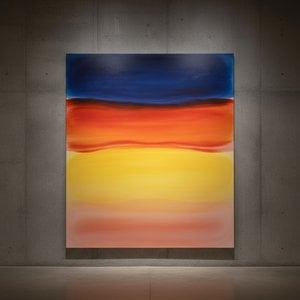
Mark Rothko's “The Pugilist,” painted in 1933, stands as a testament to the burgeoning spirit of Abstract Expressionism and its exploration of profound human emotion. More than just a depiction of three men engaged in conversation around a dining table—though that visual element certainly contributes to the scene’s atmosphere—the painting delves into themes of camaraderie, vulnerability, and perhaps even unspoken tension within a carefully constructed space.
The historical context surrounding “The Pugilist” is crucial to understanding its significance. Created during the early years of Rothko’s artistic career, it reflects the anxieties and uncertainties prevalent in Europe following the Great Depression. The artist himself described his intention as striving to express "the immensity of human suffering," a sentiment powerfully conveyed through the painting's subdued palette.
Symbolism: While Rothko deliberately avoided explicit symbolism—rejecting any preconceived notions of narrative—the colors themselves carry considerable weight. The reds and oranges evoke warmth, passion, and perhaps even aggression, subtly mirroring the dynamics between the men in the room. Simultaneously, their muted tones convey a sense of melancholy and contemplation, inviting viewers to grapple with existential questions about life’s complexities.
Ultimately, “The Pugist” succeeds in capturing a fleeting moment of human connection against a backdrop of quiet introspection. Rothko's masterful use of Color Field painting elevates the artwork beyond mere visual representation, transforming it into an emotionally resonant experience that continues to captivate audiences today. Its enduring appeal lies in its ability to provoke contemplation and evoke feelings of empathy—a remarkable achievement for an artist committed to conveying universal truths through abstract form.
"The Pugilist"의 미리보기 페이지에서는 주문 전 작품을 미리 확인할 수 있습니다.
"The Pugilist"에서는 Calm 분위기와 함께 Reflective 감정이 느껴집니다.
"The Pugilist"의 색상은 Earthy 팔레트를 이룹니다. 이 분류는 작품을 지배하는 주요 색상군을 설명합니다.

1903 - 1970 , 라트비아

추상표현주의의 심장을 뛰게 한 10대 걸작을 만나보세요. 폴록, 로스코 등 거장의 작품 비하인드 스토리와 예술적 영감을 WahooArt에서! 지금 바로 미술품 컬렉션을 탐험하고, 당신의 공간에 특별한 예술적 감성을 더하세요. WahooArt.com
Explore the profound emotional depth of Mark Rothko's abstract expressionism. Discover the history, techniques & lasting impact of this pivotal Color Field painter. Expert insights for collectors and art enthusiasts.

Explore the profound history and emotional depth of Color Field painting. From Mark Rothko to Barnett Newman, discover how pure color redefined modern art through our expert-led guide for students and collectors alike.

마크 로스코 최고작 25선을 만나보세요. 추상 표현주의 거장의 색채로 표현된 심오한 감정과 예술의 세계를 탐험하고, WahooArt에서 명화 복제본과 특별한 인테리어 아이디어를 찾아보세요. 지금 바로 컬렉션을 확인하세요!

Explore the profound emotional depth of Color Field painting. Discover the history of mid-century abstraction, from Rothko to Newman, and learn how pure color transforms the viewer's experience through our expert art history guide.

 실제 크기로 보기
 보내기
보내기 공유하기
공유하기
 상세 보기
상세 보기 가이드 보기

 이미지 다운로드
 유사 작품 더 보기
 X-레이
X-레이 슬라이드 쇼 보기
 Q&A
Q&A 통계 정보
통계 정보
 상세 보기
상세 보기









 유리 옵션은 110cm 미만 크기에서만 선택 가능합니다.


