이 페이지에 표시된 작품은 저작권법의 보호를 받으며, 이에 따라 동일한 복제품을 제작하거나 판매하는 것은 법으로 금지되어 있습니다. 이러한 권리 보호는 다음과 같은 국제 협약에 따라 시행됩니다. 베른 협약 또한 다음에서 명시하는 법률을 포함한 국내법에 의해 보호됩니다. 미국 저작권법 제17조.
이 방식은 저작권 보호를 받는 예술 작품을 복제하거나 그대로 재현하는 것이 아니기에 저작권 규정을 완벽히 준수합니다. 대신, 이는 창의적인 재해석의 과정을 거칩니다. 즉, 원작에서 영감을 받되 원작과 동일하지 않은 새로운 회화 작품을 의미합니다.
빠른 제작과 다양한 마감 옵션을 제공하는 박물관 수준의 지클레이 및 캔버스 프린트. ( 수작업 채색 복제본 주문하기 디지털 이미지로 전환)





























작품의 원본 비율을 그대로 유지하는 프리셋 사이즈 중에서 선택해 보세요.

액자나 벽면 크기에 맞춰 필요한 가로와 세로 길이를 입력해 주세요. 프린트는 원본 이미지보다 크게 제작할 수 없으며 오직 자르는 것만 가능하므로, 비율이 다른 사이즈를 선택할 경우 이미지의 일부가 잘려 나갈 수 있습니다. 인쇄 작업에 들어가기 전, 최종 확인을 위해 디지털 목업을 보내드립니다. 이 페이지에 표시된 이미지는 실제 잘리는 영역을 나타내지 않으며, 오직 목업을 통해서만 정확한 확인이 가능합니다.
The Omen
복제본 크기
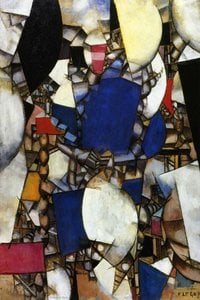
Mark Rothko's “The Omen,” a striking example of his mature abstract expressionist style, isn’t merely a painting; it’s an immersion into the profound anxieties of the 20th century. Produced as part of a Taschen portfolio in 2003, this work – rendered on thick white card and measuring 21x33cm with a print size of 28x36.5cm – immediately commands attention with its bold juxtaposition of blue and red. It’s a piece that invites contemplation, demanding a response beyond simple aesthetic appreciation.
Rothko's technique is characterized by the layering of translucent color fields—in this case, a dominant, deep blue punctuated by sharply defined crimson triangles. These aren’t haphazard splashes; they are meticulously constructed blocks of pigment, applied in thin washes that bleed into one another, creating an ethereal quality. The deliberate flatness of the surface, a hallmark of his style, forces the viewer to confront the colors directly, without the distraction of traditional perspective or representational imagery. This technique, developed over years of experimentation, aimed to evoke primal emotions and spiritual experiences through pure color relationships. The triangles themselves, often interpreted as symbols of sacrifice or even religious iconography, add a layer of complexity to the composition.
Created during a period marked by global conflict and existential uncertainty – the shadow of World War II loomed large – “The Omen” reflects the anxieties of its time. Rothko himself grappled with themes of mortality, trauma, and the search for meaning in a world seemingly devoid of inherent order. The painting’s somber palette and unsettling geometry resonate with the psychological landscape of the era, mirroring the sense of dread and disillusionment that permeated much of 20th-century art and thought. It's important to note Rothko’s own personal struggles with depression and his profound interest in Eastern philosophy, which heavily influenced his artistic vision.
Beyond the readily apparent color contrasts, “The Omen” possesses a deeply layered symbolic resonance. The blue, often associated with melancholy, spirituality, and the infinite, creates a sense of vastness and contemplation. The red triangles, simultaneously powerful and vulnerable, evoke images of sacrifice, passion, or perhaps even warning. The inclusion of a solitary figure observing the artwork adds another dimension – a witness to this emotional landscape, suggesting our own vulnerability in the face of profound questions about existence. Ultimately, Rothko sought not to depict a specific scene but to elicit an emotional response—a feeling of awe, unease, or perhaps even transcendence—from the viewer.
This limited-edition print from Taschen offers a tangible connection to one of the most influential artists of the 20th century. “The Omen” is ideally suited for spaces where contemplation and emotional depth are valued – a study, a meditation room, or even a sophisticated living area. Its bold colors and powerful composition will undoubtedly serve as a focal point, sparking conversation and inviting viewers to engage with its enduring mysteries. The print’s size (28x36.5cm) makes it suitable for a variety of wall sizes, allowing for flexible placement within your interior design scheme.

1903 - 1970 , 라트비아

Unveil the visceral power of Abstract Expressionism. Our expert exploration delves into the transformative legacies of Pollock, Rothko, and De Kooning, offering discerning collectors a profound understanding of the New York School’s enduring mastery and historical impact.
 미리보기
미리보기
 공유하기
공유하기 공유하기
공유하기
 상세 정보
상세 정보 가이드 보기

 다운로드
다운로드
 유사 작품 더 보기
 X-레이
X-레이 슬라이드 쇼 보기
 질의응답
질의응답
 통계 정보
통계 정보

 더 보기
더 보기









 유리 옵션은 110cm 미만 크기에서만 선택 가능합니다.