
x


빠른 제작과 다양한 마감 옵션을 제공하는 박물관 품질의 지클레이 또는 캔버스 프린트. ( 손으로 그린 그림 구매 이미지 구매)
작품의 원본 비율을 유지하는 미리 설정된 크기 중에서 선택하세요.

특정 프레임이나 공간에 맞춰 직접 치수를 입력하실 수 있습니다. 선택하신 사이즈가 원본 이미지의 비율과 일치하지 않을 경우, 작품을 크롭(자르기)하거나 이미지를 대칭 또는 단색 채우기로 확장하여 제작합니다. 제작 시작 전, 최종 확인을 위해 디지털 목업이 전송됩니다.
화면상의 미리보기는 실제 크롭이나 확장 상태를 반영하지 않으므로, 최종 구도는 오직 목업을 통해서만 정확하게 확인하실 수 있습니다.
맞춤 사이즈 제작도 가능하지만, 원본 비율을 유지하기 위해서는 사전 정의된 목록에서 치수를 선택하시는 것을 권장합니다.

Street Scene
복제본 크기
In the quiet, brooding depths of Mark Rothko’s “Street Scene,” painted circa 1937, we encounter a world that feels both intimately familiar and hauntingly distant. Long before he became the master of color field abstraction, Rothko utilized a more figurative language to explore the heavy, existential weight of urban existence. The composition presents us with three figures huddled together on a curving staircase, positioned beside a monumental architectural element that looms over them like an indifferent titan. There is a profound sense of vulnerability in their posture; they seem to seek warmth and connection within the cold, geometric shadows of a city that offers little refuge. This piece does not merely depict a moment in time; it captures the very essence of human isolation amidst the overwhelming scale of modern progress.
The stylistic DNA of this work reveals a fascinating intersection of Expressionism and early Cubist fragmentation. Drawing inspiration from the raw emotionality of Edvard Munch and the distorted psychological landscapes of Oskar Kokoschka, Rothko employs a technique that prioritizes feeling over photographic accuracy. The architectural forms—the balcony panels and the massive column base—are rendered with simplified, geometric shapes that suggest a world breaking apart under the pressure of modernity. This deliberate distortion creates a sense of unease and disorientation, pulling the viewer into a space where the boundaries between the physical structure and the emotional state of the subjects begin to blur.
To touch this painting with one's eyes is to experience a remarkable tactile depth. Rothko’s technique in this period was characterized by a thick impasto, where layers of oil paint were applied with a heavy, deliberate hand. This creates a rugged, palpable surface that catches the light and casts its own micro-shadows, adding a physical dimension to the melancholic atmosphere. The palette is masterfully subdued, eschewing bright distractions for a somber arrangement of smoky mauve, ice blue, and pale gray. These muted tones work in harmony to generate a sense of twilight or perhaps an eternal dusk, amplifying the painting's inherent sadness and reflective stillness.
For the discerning collector or interior designer, "Street Scene" offers more than just visual interest; it provides a profound emotional anchor for a space. The stark contrast between the dark, solid foreground structures and the lighter, more amorphous figures in the background creates a dramatic tension that commands attention without overwhelming its surroundings. It is a piece that invites long periods of contemplation, making it an ideal centerpiece for a gallery-style study or a sophisticated living area where one seeks to evoke themes of introspection and quiet strength. Owning a high-quality reproduction of this masterpiece allows one to bring the heavy, beautiful gravity of Rothko’s early vision into the modern home, serving as a constant reminder of the enduring human search for meaning within the vast, complex structures of our world.

1903 - 1970 , 라트비아

마크 로스코 최고작 25선을 만나보세요. 추상 표현주의 거장의 색채로 표현된 심오한 감정과 예술의 세계를 탐험하고, WahooArt에서 명화 복제본과 특별한 인테리어 아이디어를 찾아보세요. 지금 바로 컬렉션을 확인하세요!
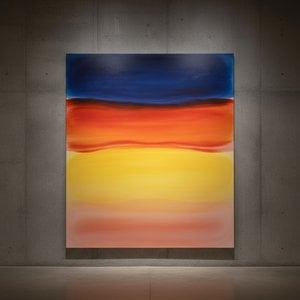
Explore the profound emotional depth of Mark Rothko's abstract expressionism. Discover the history, techniques & lasting impact of this pivotal Color Field painter. Expert insights for collectors and art enthusiasts.

추상표현주의의 심장을 뛰게 한 10대 걸작을 만나보세요. 폴록, 로스코 등 거장의 작품 비하인드 스토리와 예술적 영감을 WahooArt에서! 지금 바로 미술품 컬렉션을 탐험하고, 당신의 공간에 특별한 예술적 감성을 더하세요. WahooArt.com

Explore the profound emotional depth of Color Field painting. Discover the history of mid-century abstraction, from Rothko to Newman, and learn how pure color transforms the viewer's experience through our expert art history guide.

Explore the profound history and emotional depth of Color Field painting. From Mark Rothko to Barnett Newman, discover how pure color redefined modern art through our expert-led guide for students and collectors alike.


최신 미술 뉴스, 특별 혜택 및 인테리어 아이디어를 가장 먼저 만나보세요.
프로젝트에 대해 알려주시면 저희 미술 전문가들이 맞춤형 아트 제안 3가지를 전달해 드립니다.
당신만을 위한 맞춤형 옵션 3가지를 무료로 추천해 드립니다!


 미리보기
미리보기
 공유하기
공유하기 공유하기
공유하기
 상세 정보
상세 정보

 다운로드
다운로드
 유사 작품
유사 작품 X-레이
X-레이 슬라이드 쇼

 더 보기
더 보기






































 유리 옵션은 110cm 미만 크기에서만 선택 가능합니다.


