

이 페이지에 표시된 작품은 저작권법의 보호를 받으며, 이에 따라 동일한 복제품을 제작하거나 판매하는 것은 법으로 금지되어 있습니다. 이러한 권리 보호는 다음과 같은 국제 협약에 따라 시행됩니다. 베른 협약 또한 다음에서 명시하는 법률을 포함한 국내법에 의해 보호됩니다. 미국 저작권법 제17조.
이 방식은 저작권 보호를 받는 예술 작품을 복제하거나 그대로 재현하는 것이 아니기에 저작권 규정을 완벽히 준수합니다. 대신, 이는 창의적인 재해석의 과정을 거칩니다. 즉, 원작에서 영감을 받되 원작과 동일하지 않은 새로운 회화 작품을 의미합니다.
빠른 제작과 다양한 마감 옵션을 선택할 수 있는 박물관 수준의 지클레이 및 캔버스 프린트. ( 수작업 채색 복제본 주문하기 디지털 이미지 판매 채널로 전환)





























작품의 원본 비율을 그대로 유지하는 프리셋 사이즈 중에서 선택해 보세요.

액자나 벽면 크기에 맞춰 필요한 가로와 세로 길이를 입력해 주세요. 프린트는 원본 이미지보다 크게 제작할 수 없으며 오직 자르는 것만 가능하므로, 비율이 다른 사이즈를 선택할 경우 이미지의 일부가 잘려 나갈 수 있습니다. 인쇄 작업에 들어가기 전, 최종 확인을 위해 디지털 목업을 보내드립니다. 이 페이지에 표시된 이미지는 실제 잘리는 영역을 나타내지 않으며, 오직 목업을 통해서만 정확한 확인이 가능합니다.
Purple Brown
복제본 규격
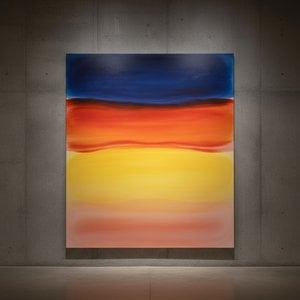
“Purple Brown,” created in 1957 by Mark Rothko, is more than just an abstract painting; it's a profound exploration of human emotion rendered through the deliberate layering of color. This piece exemplifies Rothko’s mastery of the Color Field style, a movement that sought to evoke spiritual and emotional responses directly from the viewer through vast expanses of pigment. The image itself – a close-up revealing a large square dominated by deep purple and warm brown squares – immediately draws the eye into its carefully constructed depths. The subtle variations within each shade of brown, meticulously applied, create a sense of movement and texture that invites prolonged contemplation.
Rothko’s technique was characterized by his use of thin washes of oil paint, often applied in rhythmic layers. This process, known as ‘allaghing,’ created a luminous quality, allowing the colors to bleed into one another and generate an almost ethereal effect. The division of the square into three sections, each with its own nuanced shade of brown, isn’t merely compositional; it suggests a fragmented state of being – mirroring perhaps Rothko's own experiences of displacement and loss. The deliberate lack of sharp edges or defined forms contributes to the painting’s meditative quality, encouraging viewers to lose themselves in the interplay of color and light.
‘Purple Brown’ was produced during a pivotal moment in Rothko's career and within the broader context of the Color Field movement. Emerging in the mid-1950s, this style rejected traditional representational painting, instead focusing on pure color as its primary subject matter. Influenced by Abstract Expressionism, artists like Rothko sought to tap into universal human emotions – anxiety, grief, spirituality – through monumental canvases. Rothko’s personal history—his Latvian heritage, his family's struggles with immigration and assimilation, the early loss of his father—fueled this exploration of existential themes, making ‘Purple Brown’ a deeply autobiographical work despite its abstract form.
The pairing of purple and brown is particularly significant. Purple has long been associated with royalty, spirituality, and mourning, while brown evokes earthiness, stability, and perhaps even decay. Together, they create a powerful tension – a visual representation of the struggle between hope and despair, life and death. ‘Purple Brown’ isn't intended to offer easy answers; instead, it invites viewers to confront their own anxieties and contemplate the complexities of human existence. The painting’s emotional impact is profound, resonating with a sense of quiet melancholy and a yearning for meaning.
마크 로스코의 "Purple Brown"의 Calm한 분위기는 추천 공간인 Living Room과 완벽하게 어우러집니다.
마크 로스코의 "Purple Brown"의 밝기는 deep_shadow로 기록되었으며, 휘도는 Dark입니다.
"Purple Brown"은(는) 1957년에 Color Field Painting 사조의 흐름 속에서 제작되었습니다.

1903 - 1970 , 라트비아

Explore the profound history and emotional depth of Color Field painting. From Mark Rothko to Barnett Newman, discover how pure color redefined modern art through our expert-led guide for students and collectors alike.

마크 로스코 최고작 25선을 만나보세요. 추상 표현주의 거장의 색채로 표현된 심오한 감정과 예술의 세계를 탐험하고, WahooArt에서 명화 복제본과 특별한 인테리어 아이디어를 찾아보세요. 지금 바로 컬렉션을 확인하세요!

추상표현주의의 심장을 뛰게 한 10대 걸작을 만나보세요. 폴록, 로스코 등 거장의 작품 비하인드 스토리와 예술적 영감을 WahooArt에서! 지금 바로 미술품 컬렉션을 탐험하고, 당신의 공간에 특별한 예술적 감성을 더하세요. WahooArt.com
Explore the profound emotional depth of Mark Rothko's abstract expressionism. Discover the history, techniques & lasting impact of this pivotal Color Field painter. Expert insights for collectors and art enthusiasts.

Explore the profound emotional depth of Color Field painting. Discover the history of mid-century abstraction, from Rothko to Newman, and learn how pure color transforms the viewer's experience through our expert art history guide.

 실제 크기로 보기
 보내기
보내기 공유하기
공유하기
 상세 보기
상세 보기 가이드 보기

 이미지 다운로드
 유사 작품 더 보기
 X-레이
X-레이 슬라이드 쇼 보기
 통계 정보
통계 정보

 상세 보기
상세 보기









 유리 옵션은 110cm 미만 크기에서만 선택 가능합니다.


