

이 페이지에 표시된 작품은 저작권법의 보호를 받으며, 이에 따라 동일한 복제품을 제작하거나 판매하는 것은 법으로 금지되어 있습니다. 이러한 권리 보호는 다음과 같은 국제 협약에 따라 시행됩니다. 베른 협약 또한 다음에서 명시하는 법률을 포함한 국내법에 의해 보호됩니다. 미국 저작권법 제17조.
저희는 존중을 담은 합법적인 대안으로서, 원작에서 영감을 받은 맞춤형 수제 유화 작품을 제공합니다. 저희의 숙련된 전문 화가들은 원작의 스타일, 분위기, 예술적 정수를 면밀히 연구하여, 그 자체로 독창적인 창작물이면서도 원작과 동일한 감동을 불러일으키는 새로운 작품을 만들어냅니다.
이 방식은 저작권 보호를 받는 예술 작품을 복제하거나 그대로 재현하는 것이 아니기에 저작권 규정을 완벽히 준수합니다. 대신, 이는 창의적인 재해석의 과정을 거칩니다. 즉, 원작에서 영감을 받되 원작과 동일하지 않은 새로운 회화 작품을 의미합니다.
작가가 직접 캔버스에 손으로 그린 유화 작품으로, 원하는 크기와 액자로 맞춤 제작해 드립니다. ( 프린트 판매로 전환 디지털 이미지 판매 채널로 전환)





























작품의 원본 비율을 그대로 유지하는 프리셋 사이즈 중에서 선택해 보세요.

액자나 벽면 크기에 맞춰 필요한 가로와 세로 길이를 입력해 주세요. 본 작품은 수작업으로 제작되므로, 요청하신 비율에 따라 작가가 그림의 가장자리를 조금 더 넓게 그리거나 일부를 조정하여 작업할 수 있습니다. 작업 시작 전, 최종 확인을 위해 디지털 목업 이미지를 보내드립니다. 이 페이지에 표시된 이미지는 실제 결과물과 다를 수 있으며, 오직 목업 이미지만이 정확한 결과물을 보여줍니다.
No. 7
복제본 규격
Mark Rothko's “No. 7,” painted in 1964, isn't merely a canvas adorned with color; it’s an invitation to a profoundly personal and contemplative experience. This monumental work, executed in oil on canvas, exemplifies the core tenets of Rothko’s Color Field aesthetic – a deliberate rejection of representational imagery in favor of pure emotional expression. The painting immediately commands attention with its dominance of deep charcoal gray and black hues, colors that evoke a sense of solemnity and introspection, mirroring the artist's own struggles with existential themes.
Rothko’s genius lay in his ability to manipulate color not as decorative elements but as vehicles for raw emotion. The rectangular field, nearly filling the canvas, creates an immersive environment, drawing the viewer into a space devoid of distraction. There are no sharp edges or defined boundaries; instead, the colors subtly bleed and shift, suggesting layers of pigment applied with painstaking care – a technique that contributes to the painting’s almost tactile quality. Close inspection reveals subtle textural variations, likely born from multiple washes of oil paint, adding another layer of complexity to this deceptively simple composition.
Understanding “No. 7” requires acknowledging its genesis within the Rothko Chapel in Houston, Texas – a space meticulously designed by the artist himself. Commissioned by John and Dominique de Menil, the chapel was conceived as a sanctuary dedicated to contemplation and spiritual exploration. Rothko’s fourteen murals within the chapel were intended not as decorative pieces but as integral components of this meditative environment. The Chapel's architecture—an octagon inscribed in a Greek cross—and its design were largely influenced by Rothko himself, reflecting his desire to create a space that bypassed rational thought and engaged directly with emotion.
The chapel’s purpose extended beyond mere religious observance; it became a center for international colloquiums focused on issues of human rights and social justice. This commitment to using art as a catalyst for dialogue is powerfully reflected in “No. 7,” suggesting a yearning for understanding and connection amidst the darkness.
The absence of recognizable imagery within "No. 7" is deliberate, serving to amplify its emotional impact. The dominant dark colors – charcoal gray and black – are often interpreted as representing feelings of melancholy, solitude, or even spiritual yearning. Rothko himself frequently stated that he sought to evoke a sense of “panic” in the viewer, not through overt horror but through a subtle suggestion of profound unease. The painting’s lack of defined form encourages viewers to project their own emotions and experiences onto the canvas, creating a deeply personal encounter.
Furthermore, the painting's scale – large and imposing – contributes to its emotional weight, enveloping the viewer in its somber atmosphere. It is a work that demands attention, inviting prolonged contemplation and a willingness to confront difficult emotions. The subtle gradations of tone across the surface suggest a constant flux, mirroring the ever-shifting nature of human experience.
"No. 7" stands as a pivotal work in Mark Rothko's oeuvre and a cornerstone of Abstract Expressionism. Its influence can be seen in countless subsequent artists who sought to harness the power of color for emotional expression. The painting’s enduring appeal lies not just in its technical mastery but in its profound ability to connect with viewers on a deeply visceral level. It is a testament to Rothko's belief that art could transcend the purely visual and become a conduit for universal human emotions – a legacy that continues to resonate powerfully today.

1903 - 1970 , 라트비아
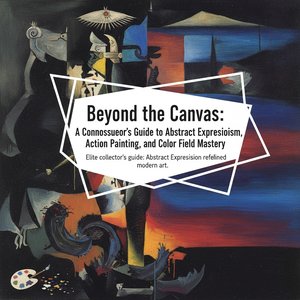
Unveil the visceral power of Abstract Expressionism. Our expert exploration delves into the transformative legacies of Pollock, Rothko, and De Kooning, offering discerning collectors a profound understanding of the New York School’s enduring mastery and historical impact.

 실제 크기로 보기
 보내기
보내기 공유하기
공유하기
 상세 보기
상세 보기 가이드 보기

 이미지 다운로드
 유사 작품 더 보기
 X-레이
X-레이 슬라이드 쇼 보기
 통계 정보
통계 정보

 상세 보기
상세 보기









 유리 옵션은 110cm 미만 크기에서만 선택 가능합니다.


