
빠른 제작과 다양한 마감 옵션을 제공하는 박물관 품질의 지클레이 또는 캔버스 프린트. ( 손으로 그린 그림 구매 디지털 이미지로 전환)





























작품의 원본 비율을 유지하는 미리 설정된 크기 중에서 선택하세요.

특정 프레임이나 공간에 맞춰 직접 치수를 입력하실 수 있습니다. 선택하신 사이즈가 원본 이미지의 비율과 일치하지 않을 경우, 작품을 크롭(자르기)하거나 이미지를 대칭 또는 단색 채우기로 확장하여 제작합니다. 제작 시작 전, 최종 확인을 위해 디지털 목업이 전송됩니다.
화면상의 미리보기는 실제 크롭이나 확장 상태를 반영하지 않으므로, 최종 구도는 오직 목업을 통해서만 정확하게 확인하실 수 있습니다.
맞춤 사이즈 제작도 가능하지만, 원본 비율을 유지하기 위해서는 사전 정의된 목록에서 치수를 선택하시는 것을 권장합니다.

No.19
복제본 크기
To stand before Mark Rothko's No. 37/No. 19 is to enter a profound, silent dialogue with the infinite. Painted in 1958, this monumental work stands as a cornerstone of Abstract Expressionism, a movement that irrevocably altered the landscape of American art. More than just pigment on canvas, this piece embodies a deep exploration of the human experience, inviting viewers into a meditative contemplation of color and form. Its enduring appeal lies in its ability to bypass intellectual analysis and speak directly to the subconscious mind, offering a sanctuary of pure emotion in an increasingly chaotic world.
The genesis of this work lies in Rothko’s distinctive approach, often described as “condensation.” Rejecting representational imagery altogether, Rothko employs large rectangular blocks of color layered upon one another to create an illusion of depth and luminosity that defies conventional perspective. In this particular instance, the artist utilizes a sophisticated palette of slate blue and brown overlaid with rich, plum hues. Through a meticulous technique of applying thin washes of pigment followed by thicker coats, he achieves subtle gradations of tone, resulting in a velvety surface texture that seems to breathe. Every brushstroke is controlled, prioritizing tonal harmony over precise delineation to create a sense of weightless suspension.
The late 1950s were a period of intense artistic experimentation, fueled by the global anxieties following World War II and a burgeoning interest in psychoanalysis. Artists like Rothko sought to grapple with existential questions—the nature of consciousness, the fear of mortality, and the search for spiritual solace—through non-figurative forms. Influenced by Zen Buddhism and Eastern philosophy, Rothko aimed to evoke feelings rather than convey narratives. He believed that color could communicate the most fundamental human emotions—grief, ecstasy, and doom—in a way that words simply could not.
This painting serves as a portal to these inner landscapes. For the collector or the interior designer, No. 37/No. 19 offers more than mere decoration; it provides an atmospheric anchor. The way the colors bleed into one another creates a rhythmic, breathing quality that can transform a space into a place of quiet reflection. Whether placed in a contemporary gallery setting or a sophisticated private residence, the work commands attention through its hushed intensity and gravitational pull.
For those seeking to bring the profound impact of Abstract Expressionism into their personal environments, a high-quality reproduction of this masterpiece offers an unparalleled opportunity. The visual depth achieved in Rothko's work is a testament to his mastery of the Color Field style. Owning a piece that captures this specific interplay of plum, slate, and brown allows for a continuous engagement with the sublime.
When considering such a significant work for a collection or an interior design project, one must appreciate the following elements:
In an age of fleeting digital imagery, the tactile and emotive power of a Rothko-inspired work remains a constant, providing a sense of permanence and spiritual weight to any curated space.

1903 - 1970 , 라트비아

Explore the profound emotional depth of Color Field painting. Discover the history of mid-century abstraction, from Rothko to Newman, and learn how pure color transforms the viewer's experience through our expert art history guide.
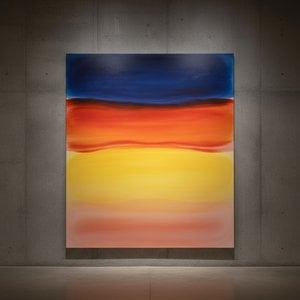
Explore the profound emotional depth of Mark Rothko's abstract expressionism. Discover the history, techniques & lasting impact of this pivotal Color Field painter. Expert insights for collectors and art enthusiasts.

Explore the profound history and emotional depth of Color Field painting. From Mark Rothko to Barnett Newman, discover how pure color redefined modern art through our expert-led guide for students and collectors alike.
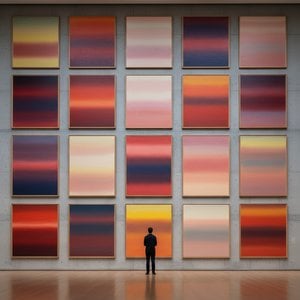
마크 로스코 최고작 25선을 만나보세요. 추상 표현주의 거장의 색채로 표현된 심오한 감정과 예술의 세계를 탐험하고, WahooArt에서 명화 복제본과 특별한 인테리어 아이디어를 찾아보세요. 지금 바로 컬렉션을 확인하세요!

추상표현주의의 심장을 뛰게 한 10대 걸작을 만나보세요. 폴록, 로스코 등 거장의 작품 비하인드 스토리와 예술적 영감을 WahooArt에서! 지금 바로 미술품 컬렉션을 탐험하고, 당신의 공간에 특별한 예술적 감성을 더하세요. WahooArt.com


 미리보기
미리보기
 공유하기
공유하기 공유하기
공유하기
 상세 정보
상세 정보 가이드 보기

 다운로드
다운로드
 유사 작품
유사 작품 X-레이
X-레이 슬라이드 쇼
 통계 정보
통계 정보

 더 보기
더 보기









 유리 옵션은 110cm 미만 크기에서만 선택 가능합니다.


