

이 페이지에 표시된 작품은 저작권법의 보호를 받으며, 이에 따라 동일한 복제품을 제작하거나 판매하는 것은 법으로 금지되어 있습니다. 이러한 권리 보호는 다음과 같은 국제 협약에 따라 시행됩니다. 베른 협약 또한 다음에서 명시하는 법률을 포함한 국내법에 의해 보호됩니다. 미국 저작권법 제17조.
저희는 존중을 담은 합법적인 대안으로서, 원작에서 영감을 받은 맞춤형 수제 유화 작품을 제공합니다. 저희의 숙련된 전문 화가들은 원작의 스타일, 분위기, 예술적 정수를 면밀히 연구하여, 그 자체로 독창적인 창작물이면서도 원작과 동일한 감동을 불러일으키는 새로운 작품을 만들어냅니다.
이 방식은 저작권 보호를 받는 예술 작품을 복제하거나 그대로 재현하는 것이 아니기에 저작권 규정을 완벽히 준수합니다. 대신, 이는 창의적인 재해석의 과정을 거칩니다. 즉, 원작에서 영감을 받되 원작과 동일하지 않은 새로운 회화 작품을 의미합니다.
작가가 직접 캔버스에 손으로 그린 유화 작품으로, 원하는 크기와 액자로 맞춤 제작해 드립니다. ( 프린트 판매로 전환 디지털 이미지 판매 채널로 전환)





























작품의 원본 비율을 그대로 유지하는 프리셋 사이즈 중에서 선택해 보세요.

액자나 벽면 크기에 맞춰 필요한 가로와 세로 길이를 입력해 주세요. 본 작품은 수작업으로 제작되므로, 요청하신 비율에 따라 작가가 그림의 가장자리를 조금 더 넓게 그리거나 일부를 조정하여 작업할 수 있습니다. 작업 시작 전, 최종 확인을 위해 디지털 목업 이미지를 보내드립니다. 이 페이지에 표시된 이미지는 실제 결과물과 다를 수 있으며, 오직 목업 이미지만이 정확한 결과물을 보여줍니다.
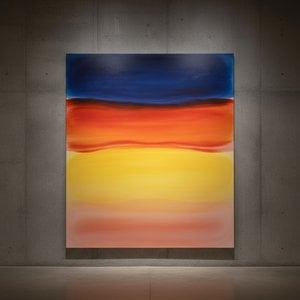
No. 14
복제본 규격
Mark Rothko, a name synonymous with profound color fields, didn't emerge fully formed from the canvas. His artistic journey began in Daugavpils, Latvia—a city steeped in history and cultural crossroads—in 1903. Born Marcus Yakovlevich Rothkowitz to a Jewish family deeply rooted in intellectual pursuits, his early life was profoundly shaped by his father’s Marxist leanings and the vibrant, often turbulent, atmosphere of pre-war Europe. This formative period instilled within him a sensitivity to social and political currents, an element that would subtly permeate his later work. The family's emigration to Portland, Oregon, in 1913 marked a significant shift, introducing Rothko to a new landscape and a burgeoning American identity. His childhood was characterized by rigorous education—he mastered Lithuanian Yiddish, Hebrew, and Russian—and a passionate engagement with social justice issues, mirroring his father’s commitment to revolutionary ideals. This complex blend of heritage, intellectual stimulation, and early exposure to societal challenges laid the groundwork for the emotionally resonant art he would eventually create.
Rothko's artistic trajectory underwent a dramatic transformation during the 1940s. Initially exploring figurative painting—depicting urban scenes and portraits—he began to experiment with mythological themes and Surrealism, a response to the anxieties and uncertainties of World War II. However, it was in this decade that he embarked on a radical shift towards abstraction, driven by a desire to express fundamental human emotions rather than represent external reality. This pivotal period witnessed the birth of what would become known as Color Field painting—a movement characterized by vast expanses of luminous color applied in broad, unmodulated washes. Rothko’s focus moved away from recognizable forms and narratives, concentrating instead on the evocative power of pure color itself. He sought to create paintings that could induce a meditative state in the viewer, allowing them to experience emotions directly through the interplay of hue and tone.
'No. 14' exemplifies Rothko’s mastery of this technique. The painting immediately commands attention with its bold juxtaposition of purple on the left side and orange on the right. These aren’t merely colors; they are imbued with a palpable sense of depth, luminosity, and emotional weight. The application of oil paint is remarkably subtle—layers build upon layers to create an almost velvety texture, while variations in tone suggest both distance and intimacy. The rectangular forms, devoid of sharp edges or defined boundaries, seem to dissolve into the surrounding color fields, drawing the viewer inward. It’s a deliberate strategy designed to bypass rational thought and tap directly into the viewer's emotional core. Rothko himself described his intention as “to express basic human emotions: tragedy, ecstasy, doom, and so on.” ‘No. 14’ powerfully embodies this ambition, inviting contemplation of these profound states.
Mark Rothko's influence extends far beyond his own lifetime. He is considered a pivotal figure in the development of Abstract Expressionism, alongside artists like Wassily Kandinsky and Arthur Dove. His work has been exhibited at prestigious institutions worldwide, including the Tate Gallery and the National Gallery of Australia, and its resale value continues to rise significantly. The iconic ‘No. 6 (Violet, Green and Red)’ sold for an astounding $186 million in 2014, a testament to the enduring power and appeal of his art. Rothko’s legacy lies not only in his individual paintings but also in his pioneering approach to color and form—a radical departure from traditional representation that continues to inspire artists and captivate audiences today. For those seeking a deeper understanding of this extraordinary artist and his work, we encourage you to explore the WahooArt website for further information and high-quality reproductions.
마크 로스코의 "No. 14"은(는) 전반적인 드라마틱한 분위기 속에서 신비로운한 느낌을 전달합니다.
저작권과 관련하여, "No. 14"은(는) 여전히 저작권의 보호를 받고 있습니다 상태입니다.
마크 로스코의 "No. 14"의 X선 분석 페이지는 엑스레이 스타일의 뷰를 포함하여 작품 이미지의 11개 광학 레이어를 슬라이드하며 살펴볼 수 있는 인터랙티브 뷰어를 제공합니다.

1903 - 1970 , 라트비아

Explore the profound emotional world of Abstract Expressionism with WahooArt. Discover key artists like Pollock & Rothko, learn about collecting, and find museum-quality reproductions to inspire your space.
Explore the profound emotional depth of Mark Rothko's abstract expressionism. Discover the history, techniques & lasting impact of this pivotal Color Field painter. Expert insights for collectors and art enthusiasts.

Explore the profound history and emotional depth of Color Field painting. From Mark Rothko to Barnett Newman, discover how pure color redefined modern art through our expert-led guide for students and collectors alike.
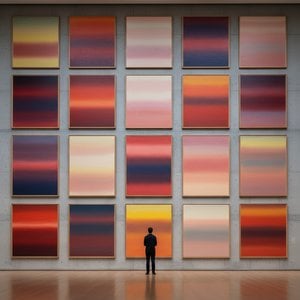
마크 로스코 최고작 25선을 만나보세요. 추상 표현주의 거장의 색채로 표현된 심오한 감정과 예술의 세계를 탐험하고, WahooArt에서 명화 복제본과 특별한 인테리어 아이디어를 찾아보세요. 지금 바로 컬렉션을 확인하세요!

추상표현주의의 심장을 뛰게 한 10대 걸작을 만나보세요. 폴록, 로스코 등 거장의 작품 비하인드 스토리와 예술적 영감을 WahooArt에서! 지금 바로 미술품 컬렉션을 탐험하고, 당신의 공간에 특별한 예술적 감성을 더하세요. WahooArt.com

 실제 크기로 보기
 보내기
보내기 공유하기
공유하기
 상세 보기
상세 보기 가이드 보기

 이미지 다운로드
 유사 작품 더 보기
 X-레이
X-레이 슬라이드 쇼 보기
 통계 정보
통계 정보

 상세 보기
상세 보기









 유리 옵션은 110cm 미만 크기에서만 선택 가능합니다.


