

이 페이지에 표시된 작품은 저작권법의 보호를 받으며, 이에 따라 동일한 복제품을 제작하거나 판매하는 것은 법으로 금지되어 있습니다. 이러한 권리 보호는 다음과 같은 국제 협약에 따라 시행됩니다. 베른 협약 또한 다음에서 명시하는 법률을 포함한 국내법에 의해 보호됩니다. 미국 저작권법 제17조.
이 방식은 저작권 보호를 받는 예술 작품을 복제하거나 그대로 재현하는 것이 아니기에 저작권 규정을 완벽히 준수합니다. 대신, 이는 창의적인 재해석의 과정을 거칩니다. 즉, 원작에서 영감을 받되 원작과 동일하지 않은 새로운 회화 작품을 의미합니다.
빠른 제작과 다양한 마감 옵션을 선택할 수 있는 박물관 수준의 지클레이 및 캔버스 프린트. ( 수작업 채색 복제본 주문하기 디지털 이미지 판매 채널로 전환)





























작품의 원본 비율을 그대로 유지하는 프리셋 사이즈 중에서 선택해 보세요.

특정 프레임이나 공간에 맞춰 직접 치수를 입력하실 수 있습니다. 선택하신 사이즈가 원본 이미지의 비율과 일치하지 않을 경우, 작품을 크롭(자르기)하거나 이미지를 대칭 또는 단색 채우기로 확장하여 제작합니다. 제작 시작 전, 최종 확인을 위해 디지털 목업이 전송됩니다.
화면상의 미리보기는 실제 크롭이나 확장 상태를 반영하지 않으므로, 최종 구도는 오직 목업을 통해서만 정확하게 확인하실 수 있습니다.
맞춤 사이즈 제작도 가능하지만, 원본 비율을 유지하기 위해서는 사전 정의된 목록에서 치수를 선택하시는 것을 권장합니다.
No. 12
복제본 규격
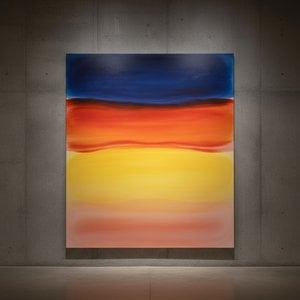
Mark Rothko's “No. 12” isn’t merely a painting; it’s an invitation to quiet contemplation, a distilled essence of feeling rendered in pigment and texture. Born Markus Yakovlevich Rothkowitz in Dvinsk, Latvia – a region steeped in historical displacement and cultural upheaval – Rothko’s early life profoundly shaped his artistic vision. The anxieties of a Jewish family living under the shadow of pogroms instilled within him a deep sensitivity to human suffering, a theme that would become a recurring motif throughout his oeuvre. This sense of vulnerability and searching for meaning is palpably present in “No. 12,” a work born from a complex interplay of personal experience and artistic exploration.
The painting’s genesis lies within the broader context of Color Field painting, a movement that sought to elevate color itself as the primary subject matter. Rothko moved to New York City in 1923, immersing himself in the vibrant, often turbulent, atmosphere of the city's artistic scene. He experimented with various styles – Surrealism, mythological themes – before arriving at his signature approach: large, rectangular blocks of color stacked vertically, creating a sense of depth and luminosity. “No. 12” exemplifies this technique perfectly, representing a pivotal moment in Rothko’s development as he moved away from representational imagery towards pure emotional expression.
At first glance, "No. 12" appears strikingly simple – three distinct rectangular blocks of color arranged against a reddish-brown frame. However, this apparent minimalism belies a complex interplay of visual elements. The uppermost block is dominated by a deep, saturated blue-purple, transitioning downwards into a lighter, warmer beige hue. This gradient isn’t merely decorative; it suggests movement, depth, and perhaps even the passage of time or emotion. The thin band of reddish-brown acts as an anchor, grounding the composition and providing a subtle contrast to the dominant colors. Notably, there's no discernible perspective or attempt at realistic representation – Rothko deliberately eschewed traditional techniques in favor of conveying feeling directly through color.
The brushwork is crucial to understanding the painting’s impact. It’s visible, textured, and gestural, suggesting an expressive application of paint. Layers are built up, allowing colors to bleed slightly into adjacent areas, creating soft edges and a sense of movement. This technique contributes significantly to the painting's atmospheric quality, evoking a feeling of quiet contemplation and simplicity. The deliberate lack of sharp lines or defined forms encourages the viewer to lose themselves within the color fields, fostering a meditative experience.
While Rothko resisted definitive interpretations of his work, it’s widely believed that he aimed to evoke profound emotional responses through color. The blue-purple shade often represents melancholy, spirituality, or the vastness of the universe – a reflection perhaps of his own sense of displacement and longing. The warmer beige tones might symbolize comfort, earthiness, or even mortality. The reddish-brown frame serves as a grounding element, providing stability amidst the expansive color fields.
It’s important to note that Rothko wasn't interested in depicting specific scenes or narratives; instead, he sought to create an experience for the viewer—a direct emotional connection through pure color. “No. 12” invites us to project our own feelings and experiences onto the canvas, transforming it into a personal meditation space. The painting’s enduring power lies in its ability to resonate with viewers on a deeply intuitive level.
Mark Rothko's “No. 12” stands as a testament to the transformative potential of color and abstraction. It exemplifies his mastery of Color Field painting, demonstrating how seemingly simple forms can evoke profound emotional responses. Reproductions capture much of this intensity, offering an accessible way to experience Rothko’s vision in your own space. WahooArt offers meticulously crafted hand-painted reproductions that faithfully recreate the texture, luminosity, and subtle nuances of this iconic work, allowing you to bring a piece of Rothko's contemplative world into your home or office.
마크 로스코의 "No. 12"의 미술사적 분류는 Modern 시대의 Abstract Expressionism입니다.
마크 로스코의 "No. 12"은(는) Balanced Soft의 채도와 Balanced의 강도로 기록되어 있습니다.
마크 로스코의 "No. 12"의 프린트는 현재 페이지에서 바로 주문하실 수 있습니다: 코튼 캔버스 또는 아카이브용 캔버스지에 인쇄된 파인 아트 프린트.
"No. 12"의 작가는 마크 로스코입니다. 이 작품은 마크 로스코의 이름으로 등록되어 있습니다.
전반적으로 "No. 12"의 밝기는 balanced로 기록되었습니다. 인지된 밝기는 작품이 얼마나 밝거나 어둡게 보이는지를 나타냅니다.
Abstract Expressionism 양식의 작품 "No. 12"은 라트비아에서 태어난 작가에 의해 제작되었습니다.
마크 로스코의 "No. 12"의 수작업 복제화는 본 웹사이트의 리넨 캔버스 위에 손으로 직접 그린 유화 복제화에서 만나보실 수 있으며, 현재 페이지를 통해 주문 가능합니다.

1903 - 1970 , 라트비아

Explore the profound history and emotional depth of Color Field painting. From Mark Rothko to Barnett Newman, discover how pure color redefined modern art through our expert-led guide for students and collectors alike.

추상표현주의의 심장을 뛰게 한 10대 걸작을 만나보세요. 폴록, 로스코 등 거장의 작품 비하인드 스토리와 예술적 영감을 WahooArt에서! 지금 바로 미술품 컬렉션을 탐험하고, 당신의 공간에 특별한 예술적 감성을 더하세요. WahooArt.com

Explore the profound emotional depth of Color Field painting. Discover the history of mid-century abstraction, from Rothko to Newman, and learn how pure color transforms the viewer's experience through our expert art history guide.
Explore the profound emotional depth of Mark Rothko's abstract expressionism. Discover the history, techniques & lasting impact of this pivotal Color Field painter. Expert insights for collectors and art enthusiasts.

마크 로스코 최고작 25선을 만나보세요. 추상 표현주의 거장의 색채로 표현된 심오한 감정과 예술의 세계를 탐험하고, WahooArt에서 명화 복제본과 특별한 인테리어 아이디어를 찾아보세요. 지금 바로 컬렉션을 확인하세요!

 실제 크기로 보기
 보내기
보내기 공유하기
공유하기
 상세 보기
상세 보기 가이드 보기

 이미지 다운로드
 유사 작품 더 보기
 X-레이
X-레이 슬라이드 쇼 보기
 통계 정보
통계 정보

 상세 보기
상세 보기









 유리 옵션은 110cm 미만 크기에서만 선택 가능합니다.


