
빠른 제작과 다양한 마감 옵션을 제공하는 박물관 품질의 지클레이 또는 캔버스 프린트. ( 손으로 그린 그림 구매 디지털 이미지로 전환)





























작품의 원본 비율을 유지하는 미리 설정된 크기 중에서 선택하세요.

특정 프레임이나 공간에 맞춰 직접 치수를 입력하실 수 있습니다. 선택하신 사이즈가 원본 이미지의 비율과 일치하지 않을 경우, 작품을 크롭(자르기)하거나 이미지를 대칭 또는 단색 채우기로 확장하여 제작합니다. 제작 시작 전, 최종 확인을 위해 디지털 목업이 전송됩니다.
화면상의 미리보기는 실제 크롭이나 확장 상태를 반영하지 않으므로, 최종 구도는 오직 목업을 통해서만 정확하게 확인하실 수 있습니다.
맞춤 사이즈 제작도 가능하지만, 원본 비율을 유지하기 위해서는 사전 정의된 목록에서 치수를 선택하시는 것을 권장합니다.

Mother and Child
복제본 크기
In the vast, often turbulent landscape of modern art, few works possess the quiet, grounding intimacy found in Mark Rothko’s Mother and Child. Painted around 1934, this piece serves as a poignant window into the artist's formative years, capturing a moment of profound human connection before his transition into the monumental abstractions that would define his legacy. The painting presents a tender portrait of two figures—a mother standing in protective proximity to her seated child—engaged in a silent, shared existence. While the composition retains elements of representational form, there is an unmistakable atmospheric quality that transcends mere depiction, inviting the viewer into a space of deep, meditative stillness.
The visual narrative is enriched by a delicate arrangement of surroundings, where subtle details like the presence of vases and a soft, verdant plant in the corner ground the emotional weight of the figures within a domestic, yet ethereal, setting. This interplay between the tangible world and the intangible emotion creates a sense of timelessness, making the work an exquisite choice for those looking to introduce a sense of peace and contemplative depth into a curated interior space.
Technically, Mother and Child showcases the early brilliance of Rothko’s approach to medium and light. Long before his signature large-scale color fields, Rothko was experimenting with the meticulous layering of thin, translucent washes of pigment. This technique allows light to penetrate the surface of the canvas, creating a soft, inner luminescence that seems to emanate from within the figures themselves. The surfaces possess a velvety texture, absorbing the gaze and pulling the observer into a rhythmic dance of subtle tonal variations.
The artist’s control over color is nothing short of masterful; even in this more figurative period, he utilizes hues not just to define shape, but to evoke temperament. The way the light falls across the figures suggests a sanctity in the everyday, transforming a simple maternal interaction into a universal symbol of vulnerability and care. For the collector or interior designer, this technique offers a sophisticated visual texture that complements both minimalist modernism and more classical, opulent decor, providing a focal point that is both intellectually stimulating and visually soothing.
To understand Mother and Child is to understand the roots of Rothko’s lifelong preoccupation with existential themes. Emerging from a period shaped by his engagement with Jewish mysticism and the heavy shadows of early 20 much-discussed historical upheavals, the painting vibrates with an underlying sense of compassion and the sacredness of human bonds. It is a work that speaks to the fundamental need for connection in an often fragmented world.
For those seeking to adorn a home or gallery with a piece of art history, this reproduction offers more than just aesthetic beauty; it offers an emotional anchor. Whether placed in a quiet study, a serene bedroom, or a grand living area, the painting acts as a silent interlocutor, prompting reflection on the enduring strength of love and the delicate nature of life. It is a profound testament to the idea that even within the most personal moments, there exists a universal, spiritual truth that connects us all.

1903 - 1970 , 라트비아

추상표현주의의 심장을 뛰게 한 10대 걸작을 만나보세요. 폴록, 로스코 등 거장의 작품 비하인드 스토리와 예술적 영감을 WahooArt에서! 지금 바로 미술품 컬렉션을 탐험하고, 당신의 공간에 특별한 예술적 감성을 더하세요. WahooArt.com

마크 로스코 최고작 25선을 만나보세요. 추상 표현주의 거장의 색채로 표현된 심오한 감정과 예술의 세계를 탐험하고, WahooArt에서 명화 복제본과 특별한 인테리어 아이디어를 찾아보세요. 지금 바로 컬렉션을 확인하세요!

Journey through Wassily Kandinsky's 25 most iconic abstract paintings. Explore his revolutionary use of color, form & spiritual expressionism. Find museum-quality Kandinsky reproductions and elevate your home decor with WahooArt.com. Discover all masterpieces on WahooArt.com!
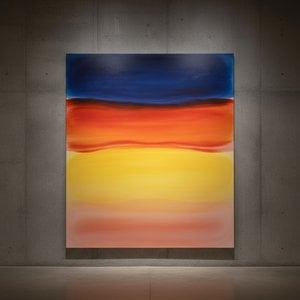
Explore the profound emotional depth of Mark Rothko's abstract expressionism. Discover the history, techniques & lasting impact of this pivotal Color Field painter. Expert insights for collectors and art enthusiasts.

Explore the profound emotional depth of Color Field painting. Discover the history of mid-century abstraction, from Rothko to Newman, and learn how pure color transforms the viewer's experience through our expert art history guide.


 미리보기
미리보기
 공유하기
공유하기 공유하기
공유하기
 상세 정보
상세 정보

 다운로드
다운로드
 유사 작품
유사 작품 X-레이
X-레이 슬라이드 쇼
 통계 정보
통계 정보

 더 보기
더 보기









 유리 옵션은 110cm 미만 크기에서만 선택 가능합니다.


