

이 페이지에 표시된 작품은 저작권법의 보호를 받으며, 이에 따라 동일한 복제품을 제작하거나 판매하는 것은 법으로 금지되어 있습니다. 이러한 권리 보호는 다음과 같은 국제 협약에 따라 시행됩니다. 베른 협약 또한 다음에서 명시하는 법률을 포함한 국내법에 의해 보호됩니다. 미국 저작권법 제17조.
이 방식은 저작권 보호를 받는 예술 작품을 복제하거나 그대로 재현하는 것이 아니기에 저작권 규정을 완벽히 준수합니다. 대신, 이는 창의적인 재해석의 과정을 거칩니다. 즉, 원작에서 영감을 받되 원작과 동일하지 않은 새로운 회화 작품을 의미합니다.
빠른 제작과 다양한 마감 옵션을 선택할 수 있는 박물관 수준의 지클레이 및 캔버스 프린트. ( 수작업 채색 복제본 주문하기 디지털 이미지 판매 채널로 전환)





























작품의 원본 비율을 그대로 유지하는 프리셋 사이즈 중에서 선택해 보세요.

액자나 벽면 크기에 맞춰 필요한 가로와 세로 길이를 입력해 주세요. 프린트는 원본 이미지보다 크게 제작할 수 없으며 오직 자르는 것만 가능하므로, 비율이 다른 사이즈를 선택할 경우 이미지의 일부가 잘려 나갈 수 있습니다. 인쇄 작업에 들어가기 전, 최종 확인을 위해 디지털 목업을 보내드립니다. 이 페이지에 표시된 이미지는 실제 잘리는 영역을 나타내지 않으며, 오직 목업을 통해서만 정확한 확인이 가능합니다.
Entombment II
복제본 규격
Mark Rothko's Entombment II isn’t a painting that immediately shouts for attention. It doesn’t demand to be deciphered with a quick glance. Instead, it invites a prolonged engagement, a quiet contemplation born from the sheer density of texture and the profound emotional weight held within its muted palette. Created between 1964 and 1970, during a period when Rothko was deeply invested in creating spaces for reflection and spiritual experience – most notably at the Rothko Chapel in Houston – this work embodies his signature style: vast fields of color stacked upon one another, layered with an almost sculptural quality. The dominant hues are shades of grey and brown, punctuated by a subtle, ethereal blue that seems to emerge from the depths of the composition. It’s a world stripped bare of representational imagery, reduced to its most elemental components – color, texture, and form—a deliberate move away from the more overtly expressive gestures of his earlier Abstract Expressionist peers.
The painting's surface is a chaotic yet meticulously controlled landscape. Thick impasto strokes build up layers upon layers, creating an intensely tactile experience. Scratches and scrapes deliberately disrupt the smooth expanse of paint, adding to the sense of unease and fragmentation. These aren’t random marks; they are integral to Rothko’s process, acting as a way to both control and release energy within the canvas. The composition itself is deliberately flattened, eschewing traditional perspective in favor of a spatial ambiguity that draws the viewer inward. Lines, though not sharply defined, intersect and overlap, creating a dynamic tension that suggests movement and instability. It's a deliberate rejection of clarity, mirroring perhaps the artist’s own internal struggles with mortality and existential questions.
To truly appreciate Entombment II, it’s crucial to understand the context of Mark Rothko's life. Born Markus Yakovlevich Rothkowitz in Dvinsk (now Daugavpils), Latvia, in 1903, his early years were marked by a profound sense of displacement and anxiety. His family, Jewish immigrants fleeing persecution in the Russian Empire, faced constant challenges – poverty, discrimination, and the ever-present threat of violence. This formative experience instilled within him a deep sensitivity to human suffering, a theme that would become a recurring motif throughout his oeuvre. The loss of his father early in life, coupled with the difficulties of assimilation in America, fueled a lifelong exploration of themes like mortality, trauma, and the search for meaning – questions that resonate powerfully within this painting. Rothko’s artistic journey was thus deeply intertwined with his personal history, shaped by a profound awareness of the fragility of human existence.
While Rothko famously resisted definitive interpretations of his work, it's clear that color played a central role in conveying emotion and spiritual experience. The dominant grey and brown tones evoke feelings of melancholy, loss, and perhaps even grief – echoes of his own childhood experiences. However, the subtle blue element introduces an element of hope or transcendence, suggesting a potential for solace amidst the darkness. The rectangular forms themselves are not meant to be easily defined; they’re more akin to emotional zones, areas of feeling rather than concrete objects. Some art historians suggest that these shapes represent tombs, referencing the painting's title and hinting at themes of death and resurrection. The layering of colors creates a sense of depth and complexity, inviting the viewer to lose themselves within the painting’s immersive atmosphere.
Mark Rothko's work continues to captivate audiences with its raw emotional power and deceptively simple forms. Entombment II stands as a testament to his unique approach to abstraction, prioritizing feeling over representation. Its enduring appeal lies in its ability to evoke a profound sense of introspection, prompting viewers to confront their own anxieties and contemplate the mysteries of existence. Reproductions of this piece offer a remarkable opportunity to experience Rothko’s vision firsthand, bringing the intensity of his studio into your space. Consider commissioning a hand-painted reproduction from WahooArt.com to bring this powerful work into your home or office – a tangible reminder of the enduring legacy of one of modern art's most enigmatic and influential figures.
마크 로스코의 "Entombment II"과(와) 유사한 작품들은 해당 작품의 유사한 작품 페이지에서 확인하실 수 있습니다.
"Entombment II"은(는) 마크 로스코의 Abstract Expressionism 시기 작품으로, 이 작가의 주요 주제로는 abstract expressionist roots, post-war anxieties & unease, industrial fragmentation", human condition's breakdown, color field exploration", rothko's layered depth", exploring emotional space" 등이 있습니다.
"Entombment II"의 저작권 상태 - 여전히 저작권의 보호를 받고 있습니다 - 는 작가의 1970년 사망에 따라 결정됩니다.

1903 - 1970 , 라트비아
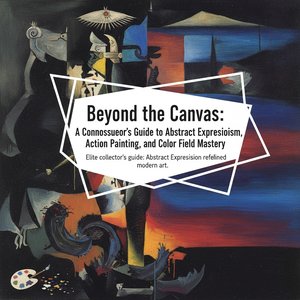
Unveil the visceral power of Abstract Expressionism. Our expert exploration delves into the transformative legacies of Pollock, Rothko, and De Kooning, offering discerning collectors a profound understanding of the New York School’s enduring mastery and historical impact.

 실제 크기로 보기
 보내기
보내기 공유하기
공유하기
 상세 보기
상세 보기 가이드 보기

 이미지 다운로드
 유사 작품 더 보기
 X-레이
X-레이 슬라이드 쇼 보기
 통계 정보
통계 정보

 상세 보기
상세 보기









 유리 옵션은 110cm 미만 크기에서만 선택 가능합니다.


