

이 페이지에 표시된 작품은 저작권법의 보호를 받으며, 이에 따라 동일한 복제품을 제작하거나 판매하는 것은 법으로 금지되어 있습니다. 이러한 권리 보호는 다음과 같은 국제 협약에 따라 시행됩니다. 베른 협약 또한 다음에서 명시하는 법률을 포함한 국내법에 의해 보호됩니다. 미국 저작권법 제17조.
저희는 존중을 담은 합법적인 대안으로서, 원작에서 영감을 받은 맞춤형 수제 유화 작품을 제공합니다. 저희의 숙련된 전문 화가들은 원작의 스타일, 분위기, 예술적 정수를 면밀히 연구하여, 그 자체로 독창적인 창작물이면서도 원작과 동일한 감동을 불러일으키는 새로운 작품을 만들어냅니다.
이 방식은 저작권 보호를 받는 예술 작품을 복제하거나 그대로 재현하는 것이 아니기에 저작권 규정을 완벽히 준수합니다. 대신, 이는 창의적인 재해석의 과정을 거칩니다. 즉, 원작에서 영감을 받되 원작과 동일하지 않은 새로운 회화 작품을 의미합니다.
작가가 직접 캔버스에 손으로 그린 유화 작품으로, 원하는 크기와 액자로 맞춤 제작해 드립니다. ( 프린트 판매로 전환 디지털 이미지 판매 채널로 전환)





























작품의 원본 비율을 그대로 유지하는 프리셋 사이즈 중에서 선택해 보세요.

액자나 벽면 크기에 맞춰 필요한 가로와 세로 길이를 입력해 주세요. 본 작품은 수작업으로 제작되므로, 요청하신 비율에 따라 작가가 그림의 가장자리를 조금 더 넓게 그리거나 일부를 조정하여 작업할 수 있습니다. 작업 시작 전, 최종 확인을 위해 디지털 목업 이미지를 보내드립니다. 이 페이지에 표시된 이미지는 실제 결과물과 다를 수 있으며, 오직 목업 이미지만이 정확한 결과물을 보여줍니다.
Antigone
복제본 규격
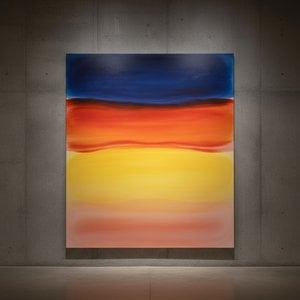
Mark Rothko's “Antigone,” a monumental work from 1960, isn’t merely a painting; it’s an immersive experience. Born in Latvia and shaped by the anxieties of his early life – a childhood steeped in displacement and loss – Rothko sought to distill profound human emotions into their purest form: color. This piece, rendered in oil on canvas, immediately draws the viewer into a space of quiet contemplation, dominated by vast, rectangular blocks of pale gray and ivory white. These aren’t simply colors; they are vessels for feeling, radiating an almost palpable sense of sorrow and unresolved conflict. The composition is deceptively simple – a series of nude figures, both seated and standing, arranged in a horizontal frieze – yet within this restraint lies a complex narrative, echoing the tragic myth it derives its name from.
Rothko deliberately avoided explicit representation, opting instead for an abstract approach that allowed viewers to project their own interpretations onto the canvas. “Antigone” is deeply rooted in Sophocles’ tragedy, a story of familial loyalty versus state authority. The painting captures the essence of Antigone's struggle – her refusal to obey Creon’s unjust decree and her willingness to sacrifice herself for what she believes is right. However, Rothko transcends mere illustration; he elevates the myth to a universal meditation on morality, duty, and the human condition. The stark simplicity of the forms contrasts sharply with the profound emotional weight conveyed through color, creating a dialogue between ancient narrative and modern expressionism.
Rothko’s work is often associated with Color Field painting, a movement that emphasized large areas of flat, unmodulated color to evoke an emotional response in the viewer. This approach was influenced by his time at the Rothko Chapel in Houston, Texas, where he created fourteen monumental paintings designed to create a contemplative space.As documented by art critic Arthur Danto, who wrote extensively about Rothko’s work, “Antigone” reveals the artist's deliberate process. Rothko didn’t begin with a preconceived image; instead, he layered thin washes of paint, allowing them to bleed and interact, creating subtle shifts in color and texture. The surface is not smooth or polished but retains traces of this physical act of creation – scrubbed areas, transparent layers, and areas of dense opacity—a testament to the artist’s engagement with the medium. This visible process underscores the painting's emotional intensity; it feels as though we are witnessing a raw, unfiltered expression of grief and defiance.
The Rothko Chapel’s influence is particularly evident in “Antigone,” where the use of color and scale aims to create a similarly immersive experience for the viewer. The chapel's fourteen paintings, including "Antigone," are designed to evoke contemplation and emotional resonance, reflecting Rothko’s belief that art should be capable of communicating profound human experiences without resorting to representational imagery.A hand-painted reproduction of “Antigone” offers a unique opportunity to bring this powerful work into your home or office. WahooArt meticulously recreates Rothko's nuanced color palette and textural layering, capturing the essence of his artistic vision with exceptional detail. More than just a decorative piece, this reproduction serves as a constant reminder of the complexities of human morality, the weight of duty, and the enduring power of art to evoke profound emotion. Consider it not merely a painting, but an invitation to contemplate the timeless themes explored within its luminous depths.
마크 로스코의 "Antigone"은(는) 분위기가 Calm한 것으로 묘사됩니다. 이러한 분류는 작품을 공간에 맞게 매치하는 데 도움이 될 수 있습니다.
"Antigone"은(는) 마크 로스코의 Late Period를 잘 보여주는 작품입니다.
마크 로스코의 "Antigone"의 복제본은 Statement에 활용하시기에 좋습니다. 이는 작품의 주제와 분위기, 그리고 색감을 고려한 제안입니다.

1903 - 1970 , 라트비아

Explore the profound emotional depth of Color Field painting. Our expert guide delves into the post-war origins of Abstract Expressionism, analyzing masterpieces by Rothko and Newman. Discover museum-grade, hand-painted oil reproductions that bring art history to your walls.

추상표현주의의 심장을 뛰게 한 10대 걸작을 만나보세요. 폴록, 로스코 등 거장의 작품 비하인드 스토리와 예술적 영감을 WahooArt에서! 지금 바로 미술품 컬렉션을 탐험하고, 당신의 공간에 특별한 예술적 감성을 더하세요. WahooArt.com

Explore the profound emotional depth of Color Field painting. Discover the history of mid-century abstraction, from Rothko to Newman, and learn how pure color transforms the viewer's experience through our expert art history guide.

마크 로스코 최고작 25선을 만나보세요. 추상 표현주의 거장의 색채로 표현된 심오한 감정과 예술의 세계를 탐험하고, WahooArt에서 명화 복제본과 특별한 인테리어 아이디어를 찾아보세요. 지금 바로 컬렉션을 확인하세요!
Explore the profound emotional depth of Mark Rothko's abstract expressionism. Discover the history, techniques & lasting impact of this pivotal Color Field painter. Expert insights for collectors and art enthusiasts.

 실제 크기로 보기
 보내기
보내기 공유하기
공유하기
 상세 보기
상세 보기 가이드 보기

 이미지 다운로드
 유사 작품 더 보기
 X-레이
X-레이 슬라이드 쇼 보기
 통계 정보
통계 정보
 상세 보기
상세 보기









 유리 옵션은 110cm 미만 크기에서만 선택 가능합니다.


