무료 아트 컨설팅

x
프린트 구매하기 프린트 구매하기작품 구매하기 작품 구매하기 공유하기공유하기
상세 정보상세 정보 즐겨찾기에 추가 즐겨찾기에 추가 다운로드다운로드 유사 작품유사 작품 X-레이X-레이 슬라이드 쇼슬라이드 쇼

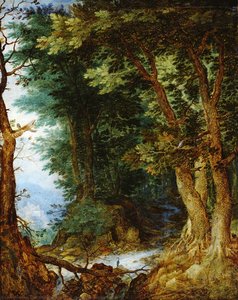
Igloo

Explore Mario Merz’s ‘Igloo,’ a captivating stone structure blending realism & nature within a lush forest. A serene, symbolic artwork reflecting ancient wisdom and post-war Arte Povera.

Discover Mario Merz (1925-2003), a key figure of Arte Povera. Explore his innovative use of neon, Fibonacci sequences, and iconic igloo structures that blend art, science & nature.

온라인 미리보기보다 훨씬 뛰어난 품질의 고해상도 디지털 이미지를 구매해 보세요.

각 파일은 사내 전문가가 고급 도구와 숙련된 수동 리터칭 기술을 사용하여 세심하게 준비합니다. 우리는 모든 이미지가 탁월한 선명도, 정확한 색상 재현력, 그리고 미세한 디테일까지 완벽하게 갖추도록 보장합니다.

최종 파일은 전문적인 편집 및 인쇄 환경에서 즉시 사용할 수 있도록 최적화되어 72시간 이내에 이메일로 발송됩니다. 이는 세계적인 디자인 스튜디오, 출판사 및 갤러리가 신뢰하는 것과 동일한 품질입니다.

디지털 이미지

개인 소장 및 전시, 인쇄, 창작 프로젝트를 위한 고해상도 파일을 다운로드하세요.

최종 결제 금액

$9.99

모든 디지털 이미지 주문에 포함된 혜택

전문적인 디지털 이미지 전송 보장

WahooArt.com를 선택하시면 단순히 이미지를 받는 것을 넘어, 정밀한 보정 과정을 거친 전문적인 디지털 예술 작품을 만나보실 수 있습니다. 모든 작품에는 만족 보장 서비스가 함께 제공되며, 주문 시 다음과 같은 사항들이 자동으로 포함됩니다:

shipping_icon
빠른 이메일 전송

주문 후 72시간 이내에 고해상도 디지털 이미지 파일이 이메일로 발송되며, 즉시 사용하실 수 있습니다.

canvas_icon
AI 기술로 향상된 디지털 파일

귀하의 작품은 고급 AI 도구와 수동 편집 과정을 거쳐 전문적으로 최적화되며, 이를 통해 디테일과 선명도, 색상의 정확도를 극대화합니다.

insurance_icon
평생 무료 재전송 서비스

파일을 실수로 삭제하거나 분실하셨나요? 걱정 마세요. 언제든 무료로 다시 보내드립니다.

tax_icon
추가 수입 비용 없음 - 언제나

관세나 부가세, 배송비 부담 없이 작품을 즉시 감상하세요 - 디지털 다운로드는 언제나 면세 혜택이 적용됩니다.

color_icon
정확한 색상 보장

전문적인 도구와 색상 관리 시스템을 통해 디지털 이미지가 원본의 색상을 최대한 정확하게 구현하도록 보장합니다.

return_icon
60일 만족 보장제

구매하신 디지털 이미지에 만족하지 못하실 경우, 60일 이내에 수정 또는 100% 환불을 진행해 드립니다 - 어떠한 문의도 필요 없습니다.

guarantee_icon
100% 환불 보장

만족하지 못하셨나요? 디지털 파일을 수령하신 후 60일 이내라면 별도의 이유를 밝힐 필요 없이 전액 환불해 드립니다.

discount_icon
대량 주문 할인

이미지 3매 구매 시 10% 할인 - 5매 구매 시 15% 할인 - 10매 이상 구매 시 20% 할인. 크리에이티브 프로젝트, 갤러리, 에이전시에 매우 유용합니다.

유사한 작품들


작가 소개

A Life Forged in Resistance: The Early Years of Mario Merz

Mario Merz’s artistic journey was indelibly shaped by the tumultuous backdrop of 20th-century Italy. Born in Milan in 1925, his path diverged from conventional aspirations when he became involved with the antifascist group Giustizia e Libertà during World War II. Imprisonment for this commitment proved to be a crucible, not a deterrent; it was within those confining walls that Merz began to draw, initiating a lifelong exploration of form and expression. These early works weren’t merely exercises in artistic skill but rather acts of defiance, a claiming of individual voice amidst oppressive forces. He experimented with a continuous line, refusing to lift his pencil from the paper—a gesture symbolic of unbroken spirit and unwavering conviction. Even then, a fascination with the interplay between humanity and nature began to emerge, foreshadowing the organic forms and natural processes that would become central tenets of his mature style. The intellectual ferment of post-war Turin further fueled his development; surrounded by writers like Cesare Pavese, Elio Vittorini, and Ezra Pound, Merz absorbed a climate of critical thought and artistic innovation, laying the groundwork for a career that would challenge conventional boundaries.

Embracing *Arte Povera*: A Rejection of Convention

The 1960s witnessed a seismic shift in the art world, and Mario Merz found himself at the forefront of this transformation with his embrace of *Arte Povera*. This Italian movement, meaning “poor art,” was a deliberate rejection of the prevailing consumer culture and the perceived elitism of established artistic norms. Artists associated with *Arte Povera* turned to unconventional materials—earth, wood, metal, fabric—objects often considered humble or discarded, imbuing them with new significance. Merz’s contribution was particularly distinctive. He moved away from the subjective expression of Abstract Expressionism, seeking instead to open art to the forces of the external world. A seed carried by the wind, a leaf spiraling downwards – these became universes on his canvas, microcosms reflecting larger cosmic principles. This shift manifested in works where energy seemed to flow between organic and inorganic elements; neon lights pierced everyday objects—umbrellas, glasses, bottles, even his own raincoat—creating startling juxtapositions that questioned our perception of reality. His marriage to fellow artist Marisa Merz proved a profound creative partnership, each influencing the other’s artistic trajectory in ways that enriched their individual explorations.

The Language of Nature and Mathematics: Fibonacci and the Igloo

Merz's artistic vocabulary crystallized around two powerful symbols: the Fibonacci sequence and the igloo. The Fibonacci sequence (1, 1, 2, 3, 5, 8…), a mathematical formula found throughout nature—in the arrangement of leaves on a stem, the spiral of a seashell, the branching of trees—became a recurring motif in his work. He saw it as representing universal principles of creation and growth, a hidden order underlying the apparent chaos of existence. This fascination translated into installations, performances, and drawings that incorporated the sequence visually, often through spirals or numerical arrangements. Simultaneously, he began constructing igloo-like structures, initially from simple materials like glass and stone, later evolving to incorporate more diverse elements. These weren’t merely architectural forms; they were metaphors for prehistoric shelters, nomadic spaces, representing mobility, adaptability, and a primal connection to the earth. The neon words emblazoned on these igloos—often colloquial phrases or slogans—were not simply decorative additions but rather captured the zeitgeist of his time, possessing a resonance that transcended their literal meaning. They became, in essence, the voice of an era.

A Legacy of Innovation and Interconnection

Throughout his career, Mario Merz consistently pushed the boundaries of artistic expression. His interventions were often site-specific and ambitious: climbing the Guggenheim Museum in New York (1971), scaling a Turin landmark (1984), even staging an installation within Naples’ Capodimonte Gallery (1987). These weren't simply displays of spectacle but rather attempts to disrupt conventional modes of viewing art, to integrate it into the fabric of everyday life. He illustrated the Fibonacci progression with photographs capturing the evolving density of diners in a restaurant, and created sprawling spiral installations from natural materials. His work resonated internationally, earning him recognition through exhibitions at prestigious institutions like the Walker Art Center in Minneapolis and establishing a landmark presence at the Centre for International Light Art in Unna, Germany. Merz’s legacy extends far beyond his individual artworks. He fundamentally contributed to the *Arte Povera* movement, influencing generations of artists who followed. His sensitivity to the interconnectedness of space and humanity transformed large environments into intimate, natural realms. He possessed a rare ability to synthesize seemingly disparate elements—art, science, nature, mathematics—into cohesive and thought-provoking experiences. His work remains a testament to the power of art to challenge perceptions, provoke dialogue, and reveal the hidden harmonies within our world. Mario Merz’s enduring impact lies in his ability to make vast spaces feel human, intimate, and profoundly connected to the natural order.
Mario Merz

Mario Merz

1925 - 2003