

빠른 제작과 다양한 마감 옵션을 선택할 수 있는 박물관 수준의 지클레이 및 캔버스 프린트. ( 수작업 채색 복제본 주문하기 디지털 이미지 판매 채널로 전환)





























작품의 원본 비율을 그대로 유지하는 프리셋 사이즈 중에서 선택해 보세요.

특정 프레임이나 공간에 맞춰 직접 치수를 입력하실 수 있습니다. 선택하신 사이즈가 원본 이미지의 비율과 일치하지 않을 경우, 작품을 크롭(자르기)하거나 이미지를 대칭 또는 단색 채우기로 확장하여 제작합니다. 제작 시작 전, 최종 확인을 위해 디지털 목업이 전송됩니다.
화면상의 미리보기는 실제 크롭이나 확장 상태를 반영하지 않으므로, 최종 구도는 오직 목업을 통해서만 정확하게 확인하실 수 있습니다.
맞춤 사이즈 제작도 가능하지만, 원본 비율을 유지하기 위해서는 사전 정의된 목록에서 치수를 선택하시는 것을 권장합니다.

Tenant Farmer
복제본 규격

Vincent van Gogh, a name synonymous with passionate brushstrokes and intensely colored landscapes, remains one of the most recognizable figures in art history. Born in 1853 in Groot-Zundert, Netherlands, his life was tragically short – just thirty-seven years – yet within that brief span, he produced over two thousand works: paintings, drawings, and prints that continue to captivate audiences worldwide. More than simply an artist, Van Gogh was a man wrestling with profound personal struggles, seeking solace and expression through the vibrant language of color and form. His journey from a hesitant young man to a revolutionary painter is a testament to the transformative power of art and the enduring legacy of a deeply sensitive soul.
Vincent Willem van Gogh was the eldest son of a Dutch Reformed minister and Anna Cornelia Carbentus, a bookseller’s daughter. He displayed an early aptitude for drawing, receiving his first lessons from his grandfather, who had been a teacher of art in Rotterdam. Despite this initial interest, Van Gogh pursued various paths before finally dedicating himself to art at the age of twenty-seven. He worked as an art dealer, a missionary in a coal mining community in Belgium, and even briefly as an instructor for impoverished children. These early experiences shaped his understanding of human suffering and instilled within him a deep empathy that would profoundly influence his artistic vision. Notably, he meticulously studied drawing manuals, particularly Charles Bargue’s *Exercises au fusain*, recognizing the importance of mastering fundamental techniques before venturing into color.
In February 1886, Van Gogh moved to Paris, a pivotal moment in his artistic development. He sought out the vibrant Impressionist and Neo-Impressionist circles, immersing himself in the work of artists like Claude Monet, Edgar Degas, Paul Gauguin, and Georges Seurat. The shift was dramatic: he abandoned his dark palette for brighter colors, experimented with broken brushstrokes, and began to incorporate elements of Japanese prints into his compositions. His self-portraits during this period reflect a growing confidence and an exploration of color theory, particularly the use of complementary hues to create visual excitement. He painted over 20 self portraits in this time.
In 1888, Van Gogh moved to Arles in southern France, hoping to establish an artist’s colony. He envisioned a community where artists could support each other creatively. This period marked a significant shift in his artistic style. Inspired by the intense light and vibrant colors of Provence, he painted landscapes with a heightened sense of emotion and movement. His brushstrokes became looser and more expressive, conveying a feeling of immediacy and spontaneity. Key works from this time include *Sunflowers*, *Bedroom in Arles*, and *The Starry Night*. He was also deeply influenced by Paul Gauguin’s arrival in Arles, leading to a tumultuous but ultimately productive artistic collaboration.
The final years of Van Gogh’s life were marked by increasing mental instability and periods of hospitalization. Despite his struggles, he continued to paint prolifically, producing works like *Wheatfield with Crows* and *Self-Portrait with Bandaged Ear*. In 1890, following a severe episode of psychosis, he shot himself in the ear and died two days later at the age of thirty-seven. Tragically, very few of his paintings were recognized during his lifetime. However, after his death, his work gained increasing acclaim, largely due to the efforts of his brother Theo and later, art critics like Roger Fry. Today, Vincent van Gogh is considered one of the most important figures in modern art, celebrated for his innovative use of color, expressive brushwork, and profound emotional depth. His paintings continue to resonate with viewers around the world, offering a glimpse into the soul of a brilliant and troubled artist.
Key Influences: Bargue’s drawing manuals, the Barbizon School, Impressionism, Neo-Impressionism, Japanese prints.

1890 - 1980 , United States of America

Journey back in time with 10 iconic artworks evoking nostalgia. Explore romanticism, impressionism & timeless landscapes by masters like Monet & Renoir. Find museum-quality art reproductions and decor inspiration at – Discover all masterpieces online!
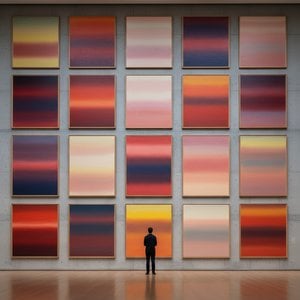
마크 로스코 최고작 25선을 만나보세요. 추상 표현주의 거장의 색채로 표현된 심오한 감정과 예술의 세계를 탐험하고, WahooArt에서 명화 복제본과 특별한 인테리어 아이디어를 찾아보세요. 지금 바로 컬렉션을 확인하세요!
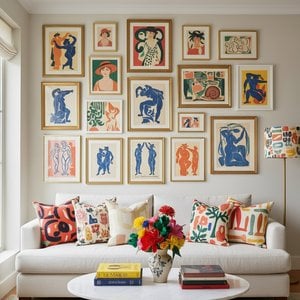
앙리 마티스의 시대를 초월하는 걸작 25선을 만나보세요. 색채주의, 야수파를 대표하는 그의 삶과 예술 세계를 탐험하고, WahooArt에서 명화 복제본으로 거실 인테리어에 감동을 더하세요. 지금 바로 컬렉션을 확인하세요!

Explore 10 iconic paintings bathed in captivating light pink tones! From Monet's Impressionism to Renoir’s romance, discover the stories behind these blush-hued masterpieces. Find museum-quality art reproductions & decor inspiration at .

Explore the rich symbolism of the red dress in art history! From ancient power displays to iconic portraits like Cézanne’s 'Madame Cezanne', discover the cultural and artistic significance behind this captivating color. Expert analysis & insights.

 실제 크기로 보기
 보내기
보내기 공유하기
공유하기
 상세 보기
상세 보기 가이드 보기

 이미지 다운로드
 유사 작품 더 보기
 X-레이
X-레이 슬라이드 쇼 보기
 통계 정보
통계 정보


 상세 보기
상세 보기









 유리 옵션은 110cm 미만 크기에서만 선택 가능합니다.


