웹 미리보기 화면을 훨씬 뛰어넘는 인쇄용 파일을 만나보세요. 저희가 판매하는 모든 디지털 이미지는 스톡 데이터베이스 내의 고해상도 마스터 파일(일반적으로 가로 5,000~15,000픽셀)을 기반으로 합니다. 따라서 대형 인쇄나 정밀한 크롭 작업 시에도 세밀한 디테일을 자신 있게 구현할 수 있습니다.
저희 스튜디오를 거치는 모든 파일은 정교한 손길을 거칩니다. 디지털 전문가가 원작과 대조하여 색상을 점검하고 필요 시 보정하며, 전문 리터칭 도구를 사용하여 선명도와 디테일을 높입니다. 이 과정에서 작가의 붓 터치와 화풍을 충실히 유지하는 것을 원칙으로 합니다. 그 결과, 단순한 스캔본에 필터를 입힌 듯한 느낌이 아닌, 마치 실제 회화 작품을 보는 듯한 이미지를 구현해냅니다.
최종 완료 전 확인 단계가 있습니다. 전문가가 검토하실 수 있도록 72시간 이내에 이메일로 이미지를 보내드립니다. 결과물이 만족스럽지 않으신가요? 수정이나 보완을 요청하시거나, 품질이 기대에 미치지 못할 경우 환불을 요청하실 수 있습니다.
출판사, 디자인 스튜디오, 갤러리 및 인쇄소가 신뢰하는 바로 그 품질입니다.
개인 소장 및 전시, 인쇄, 창작 프로젝트를 위한 고해상도 파일을 다운로드하세요. ( 프린트 판매로 전환 수작업 채색 복제본 주문하기)
WahooArt.com를 선택하시면 단순히 이미지를 받는 것을 넘어, 정밀한 보정 과정을 거쳐 완성된 전문적인 디지털 예술 작품을 만나보실 수 있습니다. 모든 작품에는 만족 보장 서비스가 함께 제공되며, 주문 시 다음과 같은 사항들이 자동으로 포함됩니다:
주문 후 72시간 이내에 고해상도 디지털 이미지 파일이 이메일로 발송되며, 즉시 사용하실 수 있습니다.
귀하의 작품은 고급 AI 기술과 정교한 수동 편집 과정을 거쳐 전문적으로 최적화되며, 이를 통해 디테일과 선명도, 색상의 정확도를 극대화합니다.
파일을 실수로 삭제하거나 분실하셨나요? 걱정 마세요. 언제든 무료로 다시 보내드립니다.
관세나 부가세, 배송비 부담 없이 작품을 즉시 소장하세요 - 디지털 다운로드는 언제나 면세 혜택이 적용됩니다.
전문적인 도구와 색상 관리 시스템을 통해 디지털 이미지가 원본의 색상을 최대한 정확하게 구현하도록 보장합니다.
구매하신 디지털 이미지에 만족하지 못하실 경우, 100일 이내에 별도의 조건 없이 수정 또는 100% 환불을 진행해 드립니다.
만족스럽지 않으신가요? 디지털 파일을 받으신 후 100일 이내에 조건 없이 전액 환불해 드립니다.
이미지 3매 구매 시 10% 할인 - 5매 구매 시 15% 할인 - 10매 이상 구매 시 20% 할인. 크리에이티브 프로젝트, 갤러리, 에이전시에 매우 유용합니다.
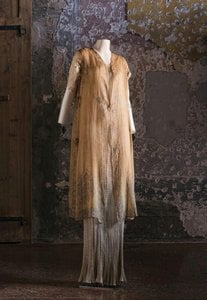
Mariano Fortuny y Madrazo (1871-1949), the Spanish artist and designer born in Venice, remains a figure of profound mystery and captivating beauty. More than simply a painter or textile innovator, he was a master orchestrator of sensation – a creator who seamlessly blended Orientalist dreams with European elegance, theatrical spectacle with intimate design. His legacy isn’t confined to a single style; it's woven into the very fabric of his creations, most famously embodied in pieces like this exquisite tunic, a testament to his revolutionary approach to color, texture, and light.
Fortuny’s artistic journey began not in Spain, but amidst the vibrant canals and artistic circles of Venice. His father, Mariano Fortuny y Marsal, a celebrated genre painter who tragically died when Mariano was just three years old, instilled in him a deep appreciation for visual storytelling and the power of capturing fleeting moments. This early exposure shaped his own approach – he wasn’t merely depicting reality; he was constructing an atmosphere, a mood, a carefully curated experience for the viewer. His work frequently draws upon the exoticism of the East, particularly Morocco, reflecting a fascination with its rich culture, vibrant colors, and intricate patterns, which he then reinterpreted through a distinctly European lens.
This particular tunic exemplifies Fortuny’s groundbreaking techniques. Crafted from Marocain silk crepe – a luxurious fabric known for its subtle sheen and ability to hold dye with remarkable intensity – it showcases his mastery of layering and manipulation. The design itself is a marvel of intricate stamping, a process he perfected over decades, allowing him to create incredibly detailed patterns directly onto the fabric without the need for traditional printing methods. This technique, combined with hand-painted embellishments, resulted in a surface that appears both meticulously planned and intuitively organic.
Notice the subtle variations in color – the deep blues and greens of the background, punctuated by delicate ivory accents. Fortuny’s use of color wasn't arbitrary; he understood its psychological impact, employing muted tones to evoke a sense of serenity and mystery while strategically placed highlights drew the eye to key elements within the design. The fabric itself is treated with a special finish that gives it a unique tactile quality – a slight sheen combined with a subtle matte effect, creating an illusion of depth and movement.
The tunic’s design isn't merely decorative; it’s laden with symbolic meaning. The geometric patterns—squares, rectangles, and stylized floral motifs—echo the aesthetic principles of ancient civilizations, particularly Egypt and Greece. Fortuny was deeply influenced by antiquities, collecting fragments of Roman mosaics and Egyptian textiles that informed his artistic vision. The arrangement of these shapes suggests a deliberate attempt to evoke a sense of timelessness, connecting the viewer to a distant past.
Furthermore, the tunic’s overall composition—the interplay of light and shadow, the carefully balanced proportions—recalls the principles of theatrical design, a field in which Fortuny made his most significant contributions. He revolutionized stage lighting with his “fortuny cyclorama dome,” a device that used reflected light to create seamless transitions between scenes, transforming the theater into a truly immersive experience. This same meticulous attention to detail and dramatic effect is evident in this tunic, suggesting a deliberate intention to transport the wearer – and the viewer—to another world.
Mariano Fortuny's work continues to resonate today, not only for its exquisite beauty but also for its innovative techniques and profound artistic vision. His influence can be seen in the work of countless designers, from Elsa Schiaparelli to Yves Saint Laurent. The “Delphos” gown, a signature piece of his oeuvre, remains an iconic symbol of elegance and sophistication. Reproductions of Fortuny’s textiles are highly sought after by collectors and interior designers alike, who appreciate their timeless appeal and the unique atmosphere they create. This tunic, in particular, stands as a powerful reminder of the artist's genius – a testament to his ability to transform simple materials into objects of extraordinary beauty and enduring significance.
"Tunic"의 뒤에는 마리아노 포르투니와 Orientalist Romanticism 운동이 자리하고 있습니다.
마리아노 포르투니의 "Tunic"은(는) Portrait 형식입니다. 이 형식은 작품 구성의 비율을 나타냅니다.
"Tunic"의 Nostalgic한 감정은 그 Orientalist Romanticism 양식과 함께 어우러집니다.

1871 - 1949 , 스페인


 보내기
보내기 공유하기
공유하기
 상세 보기
상세 보기 가이드 보기

 이미지 다운로드
 유사 작품 더 보기
 슬라이드 쇼 보기
 통계 정보
통계 정보


 상세 보기
상세 보기