
 PrintWallArtOrientalist Movement
 190519th Century
 39.0 x 27.0 cm
 Palazzo Fortuny
빠른 제작과 다양한 마감 옵션을 제공하는 박물관 품질의 지클레이 또는 캔버스 프린트. ( 손으로 그린 그림 구매 디지털 이미지로 전환)





























작품의 원본 비율을 유지하는 미리 설정된 크기 중에서 선택하세요.

특정 프레임이나 공간에 맞춰 직접 치수를 입력하실 수 있습니다. 선택하신 사이즈가 원본 이미지의 비율과 일치하지 않을 경우, 작품을 크롭(자르기)하거나 이미지를 대칭 또는 단색 채우기로 확장하여 제작합니다. 제작 시작 전, 최종 확인을 위해 디지털 목업이 전송됩니다.
화면상의 미리보기는 실제 크롭이나 확장 상태를 반영하지 않으므로, 최종 구도는 오직 목업을 통해서만 정확하게 확인하실 수 있습니다.
맞춤 사이즈 제작도 가능하지만, 원본 비율을 유지하기 위해서는 사전 정의된 목록에서 치수를 선택하시는 것을 권장합니다.

Print sample
복제본 크기
Mariano Fortuny y Marsal (1871-1949) stands as a singular figure in the artistic landscape of the early 20th century, an artist whose multifaceted talents transcended mere painting to encompass fashion design, theatrical lighting, and groundbreaking textile innovation. Born in Reus, Catalonia, Spain, Fortuny’s formative years were steeped in the vibrant colors and textures of Orientalism – a movement that profoundly influenced his artistic vision and fueled his relentless pursuit of inventive techniques.
His artistic breakthroughs began with the development of the “Fortuny Cyclorama Dome,” a revolutionary architectural innovation that utilized indirect lighting to create seamless transitions between scenes during theatrical productions. This ingenious device cemented Fortuny’s reputation as an inventor and solidified his contribution to the advancement of stagecraft.
Technique & Style: Fortuny's artistic style is characterized by meticulous detail, masterful blending of colors, and a distinctive approach to capturing light—elements that are particularly evident in his paintings. He favored tempera on paper, achieving luminous effects through layering pigments and employing glazing techniques to build up depth and richness.
Symbolism & Emotional Impact: Fortuny’s artistic output consistently explored themes of exotic landscapes, mythological narratives, and idealized beauty—reflecting the fascination with Orientalism prevalent during his time. His works evoke a sense of serenity, grandeur, and contemplation, inviting viewers to immerse themselves in worlds far removed from everyday life.
Historical Context: Fortuny’s artistic endeavors flourished amidst the burgeoning Art Deco movement, where he embraced geometric forms and luxurious materials—a testament to his ability to adapt to evolving aesthetic sensibilities. His influence extended beyond visual arts into fashion, where he created the iconic Delphos gown – a masterpiece of draped fabric and sculptural elegance that epitomized the glamour and sophistication of the era.
Legacy: Mariano Fortuny’s enduring legacy resides not only in his artistic achievements but also in his pioneering spirit—a refusal to accept conventional boundaries and an unwavering commitment to pushing the limits of creative expression. Today, reproductions of his paintings continue to inspire collectors and interior designers alike, ensuring that Fortuny's vision persists as a beacon of beauty and innovation.
His contribution to art history is undeniable—a testament to his genius and a reminder that true artistry transcends time, captivating audiences with its beauty and conveying timeless messages about human experience.


1871 - 1949 , 스페인

Discover the breathtaking allure of Art Deco. Explore the era's iconic geometry, legendary designers like Erté, and timeless glamour. Perfect for discerning collectors seeking to infuse their spaces with sophisticated modernist elegance and historical prestige.

Discover the excellence of WahooArt.com premium poster prints. Designed for elite collectors, our museum-quality Giclée reproductions offer unmatched durability and archival precision to elevate your luxury interiors with high-impact, sophisticated art decor.

Master the nuances of Giclée printing with our expert guide. Discover how pigment-based inks and museum-grade substrates create fade-resistant, high-fidelity art reproductions designed for discerning collectors seeking unparalleled quality and longevity.
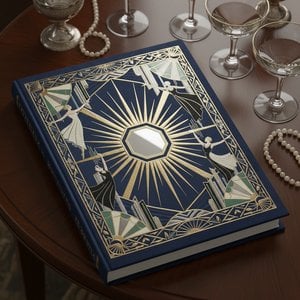
Discover the allure of Art Deco through a curated guide to its most iconic masterpieces. Explore the elegance of Erté and the innovation of Jean Dunand, perfect for collectors seeking timeless glamour and sophisticated design inspiration.


 미리보기
미리보기
 공유하기
공유하기 공유하기
공유하기
 상세 정보
상세 정보

 다운로드
다운로드
 유사 작품
유사 작품 X-레이
X-레이 슬라이드 쇼
 통계 정보
통계 정보 더 보기
더 보기









 유리 옵션은 110cm 미만 크기에서만 선택 가능합니다.


