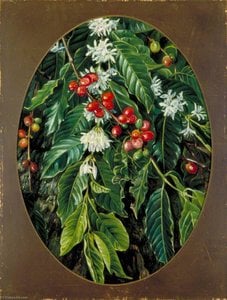
Oil On CanvasWallArtContemporary Realism
 187819th Century
 38.0 x 28.0 cm
 Marianne North Gallery
원하는 크기와 액자로 주문 제작되는, 작가들이 직접 캔버스에 손으로 그린 유화 작품입니다. ( 프린트 판매로 전환 디지털 이미지로 전환)





























작품의 원본 비율을 유지하는 미리 설정된 크기 중에서 선택하세요.

특정 프레임이나 공간에 맞도록 직접 크기를 입력할 수 있습니다. 선택하신 크기가 원본 이미지의 비율과 일치하지 않는 경우, 작품을 자르거나 추가적인 손으로 그린 요소를 사용하여 그림을 확장합니다. 제작 시작 전 승인을 위해 디지털 목업을 보내드립니다.
화면 미리 보기는 실제 자르기 또는 확장을 반영하지 않습니다. 최종 구성은 목업을 통해서만 정확하게 확인하실 수 있습니다.
맞춤 크기 제작도 가능하지만, 원본 비율을 유지하기 위해 사전 정의된 목록에서 크기를 선택하시는 것을 권장합니다.

White Flowered Thorn Apple
복제본 크기
Marianne North's “White Flowered Thorn Apple” (1878) isn’t merely a botanical illustration; it’s a meticulously crafted window into the Victorian era’s fascination with both scientific observation and romanticized nature. This oval-framed oil painting, housed within a dark brown background that subtly emphasizes its delicate subject, captures a single white flower – likely a Datura species – amidst a lush tapestry of green foliage. The composition is strikingly intimate, drawing the viewer directly into the heart of this botanical study, fostering a sense of quiet contemplation and reverence for the natural world.
North’s journey to create this piece exemplifies her extraordinary life as an intrepid explorer and artist. Born in Hastings in 1830, she defied societal expectations by embarking on decades-long expeditions across continents – from the steamy jungles of Brazil to the snow-capped peaks of Canada – all dedicated to documenting the world's flora. “White Flowered Thorn Apple” is a testament to this relentless pursuit, reflecting her deep understanding of botany and her ability to translate complex scientific observations into visually arresting art. The painting’s creation coincided with a period when botanical illustration was experiencing a resurgence in popularity, driven by advancements in microscopy and a growing interest in the natural sciences.
Technically, “White Flowered Thorn Apple” showcases North's mastery of wet-on-wet oil painting. The artist skillfully builds up layers of color with delicate brushstrokes, creating a remarkable sense of texture that mimics the velvety surface of the flower petals and the varied textures of the surrounding leaves. Notice how subtle gradations of tone – from pale yellows and creams to deeper greens – are used to model form and suggest light and shadow. The muted palette, dominated by earthy tones and soft whites, contributes to the painting’s serene atmosphere, evoking a sense of stillness and tranquility.
The composition itself is carefully considered. The flower, positioned centrally within the frame, commands immediate attention, while the surrounding foliage provides a rich, textured backdrop. North's use of perspective is relatively shallow, focusing on a close-up view that invites the viewer to appreciate the intricate details of the plant’s structure. The lack of atmospheric perspective – the blurring of distant objects – further emphasizes the immediacy and intimacy of the scene.
While seemingly straightforward, “White Flowered Thorn Apple” carries a subtle layer of symbolic meaning rooted in Victorian sensibilities. The Datura flower itself has long been associated with themes of beauty, purity, and transformation – yet it also possesses a darker side, being highly poisonous. This duality reflects the Victorian fascination with both the allure and the danger inherent in nature. North’s choice to depict this potentially perilous plant within a frame suggests a controlled and curated representation, reflecting the Victorian desire to tame and understand the wild world through art.
Furthermore, the painting's meticulous detail speaks to the Victorian emphasis on observation and scientific inquiry. Marianne North was not simply recording a flower; she was meticulously documenting its form, texture, and color – a process that aligned perfectly with the burgeoning field of botany during her lifetime. The artwork embodies the spirit of the “Grand Tour” aesthetic, reflecting an appreciation for exotic landscapes and flora.
“White Flowered Thorn Apple” is more than just a beautiful painting; it’s a window into the life and work of Marianne North, one of the Victorian era's most remarkable female artists. Her gallery at Kew Gardens remains a testament to her extraordinary journey and her dedication to documenting the world’s botanical treasures. Reproductions of this captivating artwork offer a chance to bring a touch of North’s serene vision into any space, reminding us of the enduring beauty and complexity of the natural world.


1830 - 1890 , 영국

Explore the exquisite intersection of science and art in botanical illustration. Discover the history, technical mastery, and timeless beauty of scientific floral studies from Renaissance masters to modern collectors.
Discover the exquisite world of Victorian botanical art. Explore the intersection of scientific precision and luxury aesthetics through masterfully curated floral illustrations and hand-painted oil reproductions for discerning collectors and fine interiors.

Discover the breathtaking botanical world of Marianne North. Explore her vibrant Victorian oil paintings of exotic landscapes, from Brazil to Jamaica, through an expert art-historical lens. Perfect for classic art enthusiasts and collectors of fine natural history art.


 미리보기
미리보기
 공유하기
공유하기 공유하기
공유하기
 상세 정보
상세 정보

 다운로드
다운로드
 유사 작품
유사 작품 X-레이
X-레이 슬라이드 쇼
 통계 정보
통계 정보 더 보기
더 보기









 유리 옵션은 110cm 미만 크기에서만 선택 가능합니다.