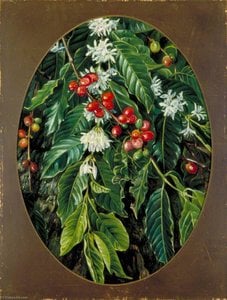
Acrylic On CanvasWallArtNaturalism
 187819th Century
 37.0 x 27.0 cm
 Marianne North Gallery
빠른 제작과 다양한 마감 옵션을 제공하는 박물관 품질의 지클레이 또는 캔버스 프린트. ( 손으로 그린 그림 구매 디지털 이미지로 전환)





























작품의 원본 비율을 유지하는 미리 설정된 크기 중에서 선택하세요.

특정 프레임이나 공간에 맞춰 직접 치수를 입력하실 수 있습니다. 선택하신 사이즈가 원본 이미지의 비율과 일치하지 않을 경우, 작품을 크롭(자르기)하거나 이미지를 대칭 또는 단색 채우기로 확장하여 제작합니다. 제작 시작 전, 최종 확인을 위해 디지털 목업이 전송됩니다.
화면상의 미리보기는 실제 크롭이나 확장 상태를 반영하지 않으므로, 최종 구도는 오직 목업을 통해서만 정확하게 확인하실 수 있습니다.
맞춤 사이즈 제작도 가능하지만, 원본 비율을 유지하기 위해서는 사전 정의된 목록에서 치수를 선택하시는 것을 권장합니다.

The Deodar or Indian Cedar
복제본 크기
Marianne North's "The Deodar or Indian Cedar," painted in 1878, isn’t merely a botanical illustration; it’s a profound meditation on nature’s resilience and the artist’s unwavering dedication to capturing its essence. This remarkable watercolor transports us to the rugged Himalayan foothills, a landscape both austere and breathtakingly beautiful. The painting immediately draws the eye to the dominant presence of several mature deodar cedars – iconic trees revered in Hindu mythology as dwelling places for gods – their branches reaching skyward like supplicating arms. North’s meticulous rendering captures not just the physical form of these giants, but also a sense of their ancient wisdom and quiet dignity. The composition is carefully balanced, leading the viewer's eye through the intricate details of the pinecones and needles, ultimately settling upon the distant, hazy outline of snow-capped mountains – a subtle reminder of the vastness and power of the natural world.
Marianne North was an extraordinary figure for her time. Rejecting the conventional role assigned to women, she embarked on a remarkable journey of self-discovery and artistic exploration. Born into privilege in Hastings, England, she defied societal expectations by becoming a pioneering botanist and artist, funding her extensive travels across continents – from Canada to Japan – entirely through the sale of her paintings. Her expeditions weren’t driven by scientific ambition alone; they were fueled by an intense personal connection with nature and a desire to document its beauty before it was irrevocably altered by the encroaching forces of industrialization. North's independence, coupled with her artistic skill, makes “The Deodar or Indian Cedar” not just a beautiful painting but also a testament to a woman’s courage and vision in the 19th century.
North's mastery of watercolor is immediately apparent. The painting is built layer upon layer, utilizing delicate brushstrokes and subtle variations in color to create a remarkably tactile surface. She expertly captures the rough texture of bark, the intricate scales of pinecones, and the soft sheen of needles – each element rendered with astonishing detail. Notice how she employs glazing techniques, applying thin washes of color over dried layers to build depth and luminosity. The use of light is particularly effective, casting gentle shadows that imbue the scene with a sense of atmosphere and volume. The flattened perspective, characteristic of botanical illustrations, prioritizes accurate representation over strict three-dimensional realism, allowing North to focus on the intricate details of her subject matter. The overall effect is one of remarkable precision and artistry, showcasing a deep understanding of color theory and watercolor techniques.
Beyond its botanical accuracy, “The Deodar or Indian Cedar” resonates with deeper symbolic meaning. The deodar cedar itself holds significant cultural importance in the Himalayas, representing strength, longevity, and spiritual connection. North’s choice to depict these majestic trees evokes a sense of reverence for nature's enduring power. The painting’s quiet stillness and harmonious composition invite contemplation – a reminder of our place within the vastness of the natural world. There is an underlying feeling of serenity and respect for the ancient wisdom embodied by these towering cedars, suggesting a connection between humanity and the spirit of the mountains. The muted palette and soft lighting contribute to this sense of tranquility, creating an image that is both visually stunning and emotionally evocative.
This exquisite watercolor offers more than just a depiction of a Himalayan landscape; it’s a window into the life and vision of Marianne North – a remarkable artist who dared to forge her own path and capture the beauty of the natural world with unparalleled skill and dedication. A high-quality reproduction allows us to appreciate the intricate details and profound symbolism of this timeless masterpiece.


1830 - 1890 , 영국

Explore the exquisite intersection of science and art in botanical illustration. Discover the history, technical mastery, and timeless beauty of scientific floral studies from Renaissance masters to modern collectors.

Discover the breathtaking botanical world of Marianne North. Explore her vibrant Victorian oil paintings of exotic landscapes, from Brazil to Jamaica, through an expert art-historical lens. Perfect for classic art enthusiasts and collectors of fine natural history art.

Discover the ethereal beauty of watercolor through an art-historical lens. Master the delicate balance of light, fluidity, and pigment to capture the luminous essence of nature, inspired by the legendary techniques of the Old Masters and Impressionist greats.

Discover the exquisite world of Victorian botanical art. Explore the intersection of scientific precision and luxury aesthetics through masterfully curated floral illustrations and hand-painted oil reproductions for discerning collectors and fine interiors.


 미리보기
미리보기
 공유하기
공유하기 공유하기
공유하기
 상세 정보
상세 정보

 다운로드
다운로드
 유사 작품
유사 작품 X-레이
X-레이 슬라이드 쇼
 통계 정보
통계 정보 더 보기
더 보기









 유리 옵션은 110cm 미만 크기에서만 선택 가능합니다.