Oil On BoardVictorian Naturalism
 1878
1878 38.0 x 27.0 cm
 Marianne North Gallery
빠른 제작과 다양한 마감 옵션을 제공하는 박물관 품질의 지클레이 또는 캔버스 프린트. ( 손으로 그린 그림 구매 디지털 이미지로 전환)





























작품의 원본 비율을 유지하는 미리 설정된 크기 중에서 선택하세요.

특정 프레임이나 공간에 맞춰 직접 치수를 입력하실 수 있습니다. 선택하신 사이즈가 원본 이미지의 비율과 일치하지 않을 경우, 작품을 크롭(자르기)하거나 이미지를 대칭 또는 단색 채우기로 확장하여 제작합니다. 제작 시작 전, 최종 확인을 위해 디지털 목업이 전송됩니다.
화면상의 미리보기는 실제 크롭이나 확장 상태를 반영하지 않으므로, 최종 구도는 오직 목업을 통해서만 정확하게 확인하실 수 있습니다.
맞춤 사이즈 제작도 가능하지만, 원본 비율을 유지하기 위해서는 사전 정의된 목록에서 치수를 선택하시는 것을 권장합니다.

The Chumpa or Champak
복제본 크기
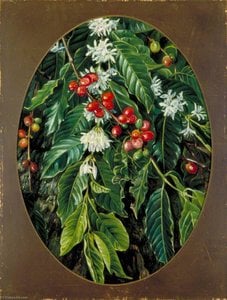
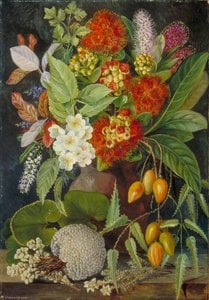
“The Chumpa or Champak,” painted in 1878 by the intrepid Victorian artist Marianne North, is more than just a botanical illustration; it's a vibrant portal to a remote corner of Southeast Asia. This captivating work transports us to the lush jungles of Siam (modern-day Thailand), where North meticulously captured the exquisite beauty of the Champak tree – *Magnolia champaca* – a species revered for its intoxicating fragrance and sacred significance in local traditions. The painting isn’t merely a depiction of flora; it's an immersive experience, brimming with the humid air, dappled sunlight, and exotic scents of this hidden world.
(Image source: Art UK)
North's artistic approach was remarkably innovative for her time. Rejecting the prevailing academic styles, she embraced a vibrant, almost Impressionistic palette – a deliberate choice to capture not just the *appearance* of the Champak but also its essence. Her brushstrokes are loose and expressive, conveying movement and light with remarkable skill. She employed a technique known as “direct painting,” working directly onto cardboard, which allowed for quick execution and a sense of immediacy. The layering of colors is masterful, creating an astonishing depth and luminosity that seems to radiate from the canvas. Notice how she expertly renders the delicate textures of the leaves, the glossy sheen of the fruit, and the intricate patterns of the bark – all achieved with a remarkably subtle yet confident hand.
Marianne North’s life was one of extraordinary adventure. Driven by an insatiable curiosity and a deep respect for the natural world, she embarked on a series of expeditions across Asia, Africa, and South America over nearly two decades. Unlike many artists of her era who relied on patrons or established institutions, North funded her travels herself, demonstrating remarkable independence and determination. Her journeys weren’t simply about collecting specimens; they were deeply personal explorations fueled by a desire to document the world's botanical diversity before it was irrevocably altered by colonization and industrialization. The Champak painting is a testament to this spirit of exploration – a vibrant snapshot of a fleeting moment in time, captured with meticulous detail and infused with North’s profound appreciation for beauty.
The Champak tree holds immense cultural significance in Southeast Asia. Its intoxicating fragrance has long been associated with spirituality and ritual, used in religious ceremonies and offerings. In Thai culture, it is considered a symbol of purity, fertility, and good fortune. North’s painting subtly reflects this symbolism, inviting the viewer to contemplate not only the beauty of the plant but also its deeper cultural meaning. The arrangement of the flowers and fruit – particularly the abundance of blossoms – speaks to themes of prosperity and renewal. The inclusion of banana-like fruits hints at the tropical setting and adds a touch of local flavor to this otherwise exotic scene.
North’s dedication to documenting the world's flora culminated in the creation of her gallery at Kew Gardens, London – a remarkable collection of over 800 botanical paintings. This extraordinary legacy ensures that her work continues to inspire and educate generations of art lovers and scientists alike. “The Chumpa or Champak” stands as a particularly poignant example of North’s artistic vision, offering a glimpse into a lost world and celebrating the enduring beauty of the natural realm.


1830 - 1890 , 영국

Discover the breathtaking botanical world of Marianne North. Explore her vibrant Victorian oil paintings of exotic landscapes, from Brazil to Jamaica, through an expert art-historical lens. Perfect for classic art enthusiasts and collectors of fine natural history art.
Discover the exquisite world of Victorian botanical art. Explore the intersection of scientific precision and luxury aesthetics through masterfully curated floral illustrations and hand-painted oil reproductions for discerning collectors and fine interiors.

Explore the exquisite intersection of science and art in botanical illustration. Discover the history, technical mastery, and timeless beauty of scientific floral studies from Renaissance masters to modern collectors.


 미리보기
미리보기
 공유하기
공유하기 공유하기
공유하기
 상세 정보
상세 정보 Guide
Guide

 다운로드
다운로드
 유사 작품
유사 작품 X-레이
X-레이 슬라이드 쇼
 통계 정보
통계 정보 더 보기
더 보기









 유리 옵션은 110cm 미만 크기에서만 선택 가능합니다.