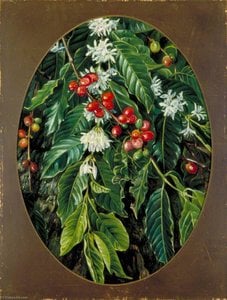
Acrylic On CanvasWallArtBotanical Illustration
 1870
1870 35.0 x 20.0 cm
 Marianne North Gallery
원하는 크기와 액자로 주문 제작되는, 작가들이 직접 캔버스에 손으로 그린 유화 작품입니다. ( 프린트 판매로 전환 디지털 이미지로 전환)





























작품의 원본 비율을 유지하는 미리 설정된 크기 중에서 선택하세요.

특정 프레임이나 공간에 맞도록 직접 크기를 입력할 수 있습니다. 선택하신 크기가 원본 이미지의 비율과 일치하지 않는 경우, 작품을 자르거나 추가적인 손으로 그린 요소를 사용하여 그림을 확장합니다. 제작 시작 전 승인을 위해 디지털 목업을 보내드립니다.
화면 미리 보기는 실제 자르기 또는 확장을 반영하지 않습니다. 최종 구성은 목업을 통해서만 정확하게 확인하실 수 있습니다.
맞춤 크기 제작도 가능하지만, 원본 비율을 유지하기 위해 사전 정의된 목록에서 크기를 선택하시는 것을 권장합니다.

Study of Screw Pine
복제본 크기
Marianne North's "Study of Screw Pine," painted in 1870, isn't merely a botanical illustration; it’s a carefully constructed tableau of tranquility and vibrant life. Captured with an almost painterly looseness, the work transports us to the humid heart of the Caribbean, specifically Jamaica, where North meticulously documented the region’s extraordinary flora during her extensive travels. The painting immediately draws the eye with its bold palette – deep blues mirroring the sky, punctuated by the striking emerald greens of the palm fronds and the warm ochre tones of the earth. It's a scene brimming with an almost palpable sense of warmth and stillness, a deliberate antidote to the often-harsh realities of Victorian exploration.
North’s technique is remarkably free and expressive for a botanical study. She eschews the rigid precision favored by earlier scientific illustrators, opting instead for a looser brushstroke that imbues the scene with a sense of immediacy and movement. The palm trees aren't rendered as static forms; they sway gently in an imagined breeze, their fronds cascading downwards like liquid emeralds. This dynamic approach, combined with her skillful use of light and shadow, creates a captivating illusion of depth and volume – you can almost feel the humidity hanging in the air.
Understanding Marianne North requires acknowledging the context of her extraordinary life. Born into privilege in Hastings, England, she defied societal expectations by embarking on a decades-long journey across continents, driven by an insatiable curiosity and a profound love for the natural world. Her travels weren’t simply expeditions; they were deeply personal quests fueled by a desire to document and celebrate the beauty of remote landscapes and their unique botanical treasures. “Study of Screw Pine” is a testament to this adventurous spirit – a tangible record of her dedication to observing and capturing the essence of distant lands.
North’s expeditions weren't undertaken alone. She often collaborated with other naturalists, including Frederic Edwin Church, whose patronage and encouragement played a significant role in supporting her work. Her gallery at the Royal Botanic Gardens, Kew, which opened in 1882, became a remarkable showcase for these paintings, offering the public an unprecedented glimpse into the wonders of the world through North’s artistic eye. The gallery itself is a testament to her vision – a vibrant space filled with over 800 botanical paintings, each telling its own story of exploration and discovery.
Beyond its purely aesthetic qualities, “Study of Screw Pine” carries subtle symbolic weight. The screw pine itself—a species native to the Caribbean—represents resilience and adaptability, thriving in challenging environments. The painting’s overall mood evokes a sense of peace and contemplation, inviting the viewer to escape the pressures of Victorian life and immerse themselves in the beauty of nature. There's an underlying current of melancholy too; North’s travels were often solitary, and her paintings serve as both a record of her experiences and a poignant expression of her longing for connection with the natural world.
Today, reproductions of “Study of Screw Pine” offer a captivating window into the Victorian era and the pioneering spirit of Marianne North. Whether adorning a living room wall or gracing a study, this painting’s serene beauty and evocative atmosphere continue to resonate with viewers, reminding us of the enduring power of art to transport us to distant lands and inspire a deeper appreciation for the natural world.


1830 - 1890 , 영국
Discover the exquisite world of Victorian botanical art. Explore the intersection of scientific precision and luxury aesthetics through masterfully curated floral illustrations and hand-painted oil reproductions for discerning collectors and fine interiors.

Discover the breathtaking botanical world of Marianne North. Explore her vibrant Victorian oil paintings of exotic landscapes, from Brazil to Jamaica, through an expert art-historical lens. Perfect for classic art enthusiasts and collectors of fine natural history art.


 미리보기
미리보기
 공유하기
공유하기 공유하기
공유하기
 상세 정보
상세 정보

 다운로드
다운로드
 유사 작품
유사 작품 X-레이
X-레이 슬라이드 쇼
 통계 정보
통계 정보 더 보기
더 보기









 유리 옵션은 110cm 미만 크기에서만 선택 가능합니다.