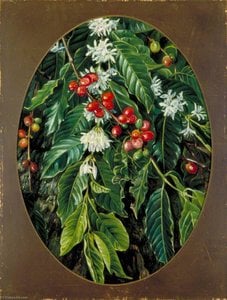
Oil On BoardMarianne North Gallery
 1870
1870 34.0 x 23.0 cm
 Marianne North Gallery
빠른 제작과 다양한 마감 옵션을 제공하는 박물관 품질의 지클레이 또는 캔버스 프린트. ( 손으로 그린 그림 구매 디지털 이미지로 전환)





























작품의 원본 비율을 유지하는 미리 설정된 크기 중에서 선택하세요.

특정 프레임이나 공간에 맞춰 직접 치수를 입력하실 수 있습니다. 선택하신 사이즈가 원본 이미지의 비율과 일치하지 않을 경우, 작품을 크롭(자르기)하거나 이미지를 대칭 또는 단색 채우기로 확장하여 제작합니다. 제작 시작 전, 최종 확인을 위해 디지털 목업이 전송됩니다.
화면상의 미리보기는 실제 크롭이나 확장 상태를 반영하지 않으므로, 최종 구도는 오직 목업을 통해서만 정확하게 확인하실 수 있습니다.
맞춤 사이즈 제작도 가능하지만, 원본 비율을 유지하기 위해서는 사전 정의된 목록에서 치수를 선택하시는 것을 권장합니다.

Common Tobacco
복제본 크기
Marianne North's "Common Tobacco," painted in 1870, is more than just a botanical study; it’s a poignant glimpse into the Victorian era’s complex relationship with both nature and industry. This intimate oil painting, measuring a modest 34 x 23 cm, captures a single tobacco plant – a humble specimen of Nicotiana tabacum – yet within its delicate form lies a wealth of narrative and symbolic weight. North, a pioneering explorer and artist who dedicated her life to documenting the world’s flora, wasn't simply recording botanical specimens; she was actively engaging with the cultural significance of these plants, particularly their role in burgeoning global trade.
The painting itself is rendered with remarkable detail, characteristic of North’s meticulous approach. The artist employs a soft, almost hazy palette – muted greens, browns, and subtle pinks – to evoke the plant's natural beauty. Close inspection reveals the intricate veins of the leaves, the delicate texture of the flower petals, and the subtle variations in color that speak to the plant’s vitality. North’s brushwork is loose yet controlled, creating a sense of movement and life within the static image. The composition draws the eye towards the central bloom, highlighting its vibrant pink hue against the verdant backdrop – a deliberate choice that emphasizes both the beauty and the inherent allure of this common crop.
“Common Tobacco” was created during a period of immense transformation in Britain. The mid-19th century witnessed an explosion in tobacco production, fueled by advancements in agricultural techniques and facilitated by the expansion of global trade networks. Tobacco had transitioned from a luxury item enjoyed primarily by the wealthy to a more accessible commodity consumed across social classes. This shift coincided with increasing anxieties about its addictive properties and potential health consequences – themes subtly explored within Victorian literature and art.
The symbolism surrounding tobacco during this era was layered and complex. On one hand, it represented prosperity, wealth, and sophistication—a staple of gentleman’s clubs and fashionable parlors. On the other, it carried connotations of vice, addiction, and social decline. North's painting, therefore, can be interpreted as a nuanced reflection of these competing narratives. The plant itself becomes a symbol of both abundance and potential harm, inviting contemplation about the ethical implications of industrial growth and its impact on human well-being.
To fully appreciate “Common Tobacco,” it’s essential to understand Marianne North's extraordinary life. Born in 1830, she defied societal expectations by embarking on a decades-long journey of exploration and artistic creation. Rejecting the conventional role assigned to women of her time, North traveled extensively throughout Africa, Asia, South America, and Australia, documenting thousands of plant species with meticulous detail and vibrant watercolors. Her expeditions were not merely scientific endeavors; they were driven by a deep passion for nature and a desire to share its beauty with the world.
North’s work was initially met with skepticism by the established art community, who viewed her botanical paintings as amateurish and lacking in artistic merit. However, she persevered, establishing her own gallery at Kew Gardens – a remarkable achievement for a woman of her era – where she showcased her extensive collection of watercolors and oil paintings. “Common Tobacco” exemplifies her unique approach: a synthesis of scientific observation, artistic skill, and personal conviction. It’s a testament to her dedication to documenting the natural world and challenging conventional notions of art and femininity.
“Common Tobacco” remains a captivating work of art, offering a window into both the Victorian era and the remarkable life of Marianne North. Its quiet beauty belies its complex symbolism, inviting viewers to consider the intertwined relationship between humanity, nature, and industry. Today, reproductions of this painting continue to inspire appreciation for botanical illustration and the power of art to illuminate our understanding of the world around us. The painting’s enduring appeal lies in its ability to evoke a sense of wonder and contemplation—a reminder that even the most humble subject can hold profound significance.


1830 - 1890 , 영국
Discover the exquisite world of Victorian botanical art. Explore the intersection of scientific precision and luxury aesthetics through masterfully curated floral illustrations and hand-painted oil reproductions for discerning collectors and fine interiors.

Discover the breathtaking botanical world of Marianne North. Explore her vibrant Victorian oil paintings of exotic landscapes, from Brazil to Jamaica, through an expert art-historical lens. Perfect for classic art enthusiasts and collectors of fine natural history art.


 미리보기
미리보기
 공유하기
공유하기 공유하기
공유하기
 상세 정보
상세 정보

 다운로드
다운로드
 유사 작품
유사 작품 X-레이
X-레이 슬라이드 쇼
 통계 정보
통계 정보 더 보기
더 보기









 유리 옵션은 110cm 미만 크기에서만 선택 가능합니다.