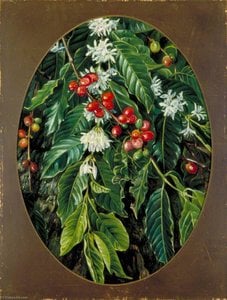
Acrylic On CanvasWallArtRealist Observation
 1876
1876 33.0 x 46.0 cm
 영국 도서관
빠른 제작과 다양한 마감 옵션을 선택할 수 있는 박물관 수준의 지클레이 및 캔버스 프린트. ( 수작업 채색 복제본 주문하기 디지털 이미지 판매 채널로 전환)





























작품의 원본 비율을 그대로 유지하는 프리셋 사이즈 중에서 선택해 보세요.

액자나 벽면 크기에 맞춰 필요한 가로와 세로 길이를 입력해 주세요. 프린트는 원본 이미지보다 크게 제작할 수 없으며 오직 자르는 것만 가능하므로, 비율이 다른 사이즈를 선택할 경우 이미지의 일부가 잘려 나갈 수 있습니다. 인쇄 작업에 들어가기 전, 최종 확인을 위해 디지털 목업을 보내드립니다. 이 페이지에 표시된 이미지는 실제 잘리는 영역을 나타내지 않으며, 오직 목업을 통해서만 정확한 확인이 가능합니다.
'Boro Bodo, Java'
복제본 규격
Marianne North's "Boro Bodo, Java," painted in 1876, is more than simply a depiction of an Indonesian temple; it’s a vibrant testament to Victorian exploration, botanical curiosity, and the burgeoning field of scientific illustration. This oil-on-canvas work offers a remarkably intimate glimpse into Borobodur, a colossal Mahayana Buddhist monument rising from the lush landscape of Java. The painting immediately draws the eye with its serene palette – a harmonious blend of cerulean blues mirroring the expansive sky, punctuated by fluffy white clouds that lend an ethereal quality to the scene. Lush greenery dominates the foreground, meticulously rendered to convey both the density and vitality of the surrounding jungle, framing the monumental temple in a way that emphasizes its scale and integration with nature.
North’s approach was revolutionary for her time. Unlike many artists who relied solely on sketches or brief observations, she embarked on extensive expeditions throughout Southeast Asia, meticulously documenting flora and fauna alongside her artistic pursuits. She traveled extensively, often accompanied by local guides, immersing herself in the cultures and environments she sought to capture. This dedication resulted in a vast portfolio of over 800 watercolors, each reflecting not just visual accuracy but also a deep respect for the natural world. “Boro Bodo, Java” exemplifies this approach; it’s clear that North spent considerable time studying the temple's architecture and the surrounding ecosystem before committing her observations to canvas.
Borobodur itself is a profound symbol – a testament to Buddhist cosmology and the aspirations of its creator, King Syailendra. Constructed over centuries, beginning in the 8th century, it represents a journey towards enlightenment, ascending through nine tiers representing different levels of existence. The temple’s intricate carvings depict scenes from Hindu epics like the Ramayana and Mahabharata, alongside Buddhist scriptures, illustrating the syncretic religious beliefs prevalent during that era. North's painting subtly captures this layered symbolism; the sheer scale of the structure speaks to its ambition, while the surrounding vegetation hints at the earthly realm from which spiritual ascent is sought.
The temple’s design incorporates astronomical alignments, reflecting a sophisticated understanding of celestial movements. North’s depiction, though rendered in a realistic style, avoids overly literal representation, instead focusing on conveying the overall grandeur and sense of mystery surrounding this ancient monument. The careful placement of trees and the play of light suggest a connection between the earthly and divine – a visual metaphor for the spiritual journey represented by Borobodur itself.
North’s technique is characterized by a meticulous attention to detail, achieved through painstaking observation and skillful brushwork. She employed a layered glazing method, building up color gradually to create depth and luminosity. The use of light and shadow is particularly noteworthy, enhancing the three-dimensional effect of the temple's architecture and creating a sense of atmosphere. Her palette, while rooted in naturalistic hues, possesses a subtle vibrancy that elevates the painting beyond mere documentation.
It’s important to note that North was not simply copying what she saw; she was actively interpreting it through her artistic lens. The composition is carefully balanced, drawing the eye upwards towards the temple's central structure while simultaneously grounding it in the surrounding landscape. This skillful arrangement creates a harmonious and visually engaging image—a testament to North’s artistic vision and her ability to capture both the beauty and significance of Borobodur.
WahooArt offers exceptional hand-painted reproductions of Marianne North's “Boro Bodo, Java,” meticulously crafted to faithfully recreate the original painting’s atmosphere and detail. These reproductions are created using archival quality materials and techniques, ensuring their longevity and vibrancy for generations to come. Whether you seek a stunning addition to your home décor or an investment piece for your art collection, our reproduction captures the essence of North's remarkable work – a window into ancient majesty and a celebration of Victorian exploration and artistic dedication.
"'Boro Bodo, Java'"은 영국 출신의 마리애너 노스가 Realist Observation 운동의 흐름 속에서 제작한 작품입니다. 작가의 출신 배경은 이 작품을 영국 예술가들이 선보인 Realist Observation 양식과 연결해 줍니다.
마리애너 노스의 "'Boro Bodo, Java'"의 주된 색조는 Ochre to Sepia입니다. 이 색조는 팔레트의 바탕이 되는 톤을 형성합니다.
1876년에 제작된 "'Boro Bodo, Java'"은 마리애너 노스의 예술적 발전 과정 중 Late Period에 해당합니다.


1830 - 1890 , 영국

Explore the exquisite world of Victorian Realism. Discover how 19th-century masters captured unparalleled detail and emotion through oil painting, and learn to curate these timeless masterpieces for your luxury interior collection.

Discover the profound allure of oil on canvas. Explore the mastery of impasto textures, the science of pigment longevity, and expert guides to selecting museum-quality reproductions that elevate your collection with timeless elegance and tactile depth.

Discover the enduring allure of oil on canvas. Explore how master techniques like impasto and glazing create the depth, texture, and emotional resonance found in the world's greatest masterpieces. An essential guide for fine art enthusiasts and discerning collectors.
Discover the exquisite world of Victorian botanical art. Explore the intersection of scientific precision and luxury aesthetics through masterfully curated floral illustrations and hand-painted oil reproductions for discerning collectors and fine interiors.

Discover the breathtaking botanical world of Marianne North. Explore her vibrant Victorian oil paintings of exotic landscapes, from Brazil to Jamaica, through an expert art-historical lens. Perfect for classic art enthusiasts and collectors of fine natural history art.

 실제 크기로 보기
 보내기
보내기 공유하기
공유하기
 상세 보기
상세 보기 가이드 보기

 이미지 다운로드
 유사 작품 더 보기
 X-레이
X-레이 슬라이드 쇼 보기
 통계 정보
통계 정보 상세 보기
상세 보기









 유리 옵션은 110cm 미만 크기에서만 선택 가능합니다.