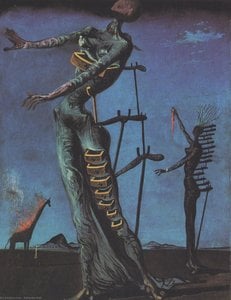
Surrealism
 2011Contemporary
 22.0 x 30.0 cm
 USC 피셔 미술관
온라인 미리보기보다 훨씬 뛰어난 품질의 고해상도 디지털 이미지를 구매해 보세요.
각 파일은 사내 전문가가 고급 도구와 숙련된 수동 리터칭 기술을 사용하여 세심하게 준비합니다. 우리는 모든 이미지가 탁월한 선명도, 정확한 색상 재현력, 그리고 미세한 디테일까지 완벽하게 갖추도록 보장합니다.
최종 파일은 전문적인 편집 및 인쇄 환경에서 즉시 사용할 수 있도록 최적화되어 72시간 이내에 이메일로 발송됩니다. 이는 세계적인 디자인 스튜디오, 출판사 및 갤러리가 신뢰하는 것과 동일한 품질입니다.
개인 소장 및 전시, 인쇄, 창작 프로젝트를 위한 고해상도 파일을 다운로드하세요. ( 프린트 판매로 전환 손으로 그린 그림 구매)
WahooArt.com를 선택하시면 단순히 이미지를 받는 것을 넘어, 정밀한 보정 과정을 거친 전문적인 디지털 예술 작품을 만나보실 수 있습니다. 모든 작품에는 만족 보장 서비스가 함께 제공되며, 주문 시 다음과 같은 사항들이 자동으로 포함됩니다:

주문 후 72시간 이내에 고해상도 디지털 이미지 파일이 이메일로 발송되며, 즉시 사용하실 수 있습니다.

귀하의 작품은 고급 AI 도구와 수동 편집 과정을 거쳐 전문적으로 최적화되며, 이를 통해 디테일과 선명도, 색상의 정확도를 극대화합니다.

파일을 실수로 삭제하거나 분실하셨나요? 걱정 마세요. 언제든 무료로 다시 보내드립니다.

관세나 부가세, 배송비 부담 없이 작품을 즉시 감상하세요 - 디지털 다운로드는 언제나 면세 혜택이 적용됩니다.

전문적인 도구와 색상 관리 시스템을 통해 디지털 이미지가 원본의 색상을 최대한 정확하게 구현하도록 보장합니다.

구매하신 디지털 이미지에 만족하지 못하실 경우, 100일 이내에 별도의 조건 없이 수정 또는 100% 환불을 진행해 드립니다.

만족스럽지 않으신가요? 디지털 파일을 받으신 후 100일 이내에 어떠한 조건 없이 전액 환불해 드립니다.

이미지 3매 구매 시 10% 할인 - 5매 구매 시 15% 할인 - 10매 이상 구매 시 20% 할인. 크리에이티브 프로젝트, 갤러리, 에이전시에 매우 유용합니다.
In the evocative piece Renya del inframundo, Mexican contemporary artist Marcos Castro invites the viewer into a realm where the boundaries between reality and nightmare dissolve. Created in 2011, this striking work serves as a profound exploration of the human condition, utilizing a surrealist vocabulary to navigate the depths of the subconscious. The painting presents a scene of startling intensity, where the vulnerability of the human form meets the sudden, violent intrusion of modern symbols. Through his masterful command of composition, Castro crafts a narrative that feels both ancient and urgently contemporary, pulling the observer into a landscape of mythic proportions.
The subject matter of Renya del inframundo is a complex tapestry of tension and raw emotion. In the foreground, figures appear in states of naked vulnerability, positioned against the cold, unyielding texture of a brick wall. This juxtaposition between the softness of human flesh and the industrial rigidity of the masonry creates an immediate sense of exposure. The presence of a firearm in the background introduces a jarring note of danger, disrupting the stillness of the scene with the threat of sudden violence. As flames flicker in the distance, the atmosphere thickens with heat and drama, suggesting a world caught in the midst of a transformative—or perhaps destructive—ordeal.
Technically, Castro’s work is deeply rooted in a symbolic language that echoes the psychological depth of masters like Frida Kahlo. His style blends elements of mythology with the natural world to evoke a sense of profound reflection. In this specific piece, the use of light and shadow plays a crucial role in defining the surrealist atmosphere; the glow of the fire illuminates the scene with an unpredictable, flickering energy that breathes life into the shadows. For collectors and interior designers, this artwork offers more than mere decoration; it provides a focal point of intellectual and emotional gravity. A high-quality reproduction of this piece brings a sophisticated, avant-garde edge to any space, inviting conversation through its enigmatic imagery and its ability to evoke the beautiful, terrifying complexity of the underworld.

Jean-Michel Basquiat, a name synonymous with raw energy and uncompromising vision, emerged from the vibrant, chaotic streets of 1980s New York City to become one of the most influential artists of his generation. Born in Brooklyn in 1960, his life was tragically cut short at the age of 27, but during his brief career, he left an indelible mark on the art world, challenging conventions and forcing a critical examination of race, power, and identity. His work wasn’t simply about aesthetics; it was a direct response to the social and political realities surrounding him – a potent blend of street art, graffiti, personal experience, and intellectual critique.
Basquiat's early life was marked by a complex family dynamic and a struggle with racial identity. Raised primarily by his Haitian immigrant father, he navigated the challenges of being a Black child in a predominantly white environment. This experience profoundly shaped his artistic perspective, informing his exploration of themes like social injustice, poverty, and cultural appropriation. He began experimenting with art as a teenager, initially engaging in graffiti – a rebellious act that quickly became intertwined with his burgeoning artistic voice. His early collaborations with Al Diaz under the pseudonym SAMO were particularly significant, producing enigmatic epigrams scrawled across subway cars and building walls, establishing Basquiat’s presence within the burgeoning street art scene.
By the early 1980s, Basquiat's work began to shift beyond simple graffiti tags. He transitioned into painting, developing a distinctive style characterized by bold lines, fragmented figures, and a potent mix of text and imagery. This marked his entry into the burgeoning neo-expressionist movement, alongside artists like Anselm Kiefer and Georg Baselitz. However, Basquiat’s work quickly distinguished itself from its contemporaries. Unlike many neo-expressionists who embraced a romanticized or historical approach, Basquiat confronted contemporary issues with unflinching honesty. His paintings frequently incorporated elements of personal history, cultural references – including African art and jazz music – alongside critiques of capitalism, racism, and the commodification of art.
His artistic process was intensely personal and often chaotic. He typically worked quickly, layering paint onto large canvases in a frenzied manner, incorporating found objects, newspaper clippings, and text directly into his compositions. This approach reflected his desire to capture fleeting moments of experience and to disrupt traditional notions of authorship and control. He famously stated that he didn’t “create” art; rather, he “uncovered” it – revealing pre-existing ideas and narratives through his work.
Several works stand out as particularly significant in understanding Basquiat's artistic trajectory. *Irony of Negro Policeman* (1981), a powerful image of a Black police officer, immediately established his willingness to confront uncomfortable social realities. *Skull of Doom* (1982) is perhaps his most iconic piece, a haunting depiction of a human skull overlaid with symbols and text that allude to death, violence, and the fragility of life. His series *Hollywood Africans* (1983), featuring portraits of African-American figures in Hollywood glamour, explored themes of identity, representation, and the complexities of race relations within the entertainment industry.
Basquiat’s work was deeply influenced by a diverse range of sources. He drew inspiration from street art, comic books, jazz music, literature (particularly writers like William Burroughs and James Baldwin), and African art. His fascination with history, particularly the legacy of slavery and colonialism, informed his exploration of power dynamics and social injustice. The writings of Malcolm X and other Black intellectuals served as a crucial intellectual foundation for his artistic vision.
Despite his tragically short life, Jean-Michel Basquiat’s impact on the art world is undeniable. He challenged the established hierarchies of the art market and helped to democratize access to contemporary art. His work continues to resonate with audiences today, prompting critical reflection on issues of race, identity, and social justice. His willingness to confront difficult subjects head-on, combined with his innovative artistic style, cemented his place as a pivotal figure in late 20th-century art history.
In 1992, the Whitney Museum of American Art held a comprehensive retrospective of Basquiat’s work, solidifying his legacy and demonstrating the enduring significance of his contributions. His paintings now command staggering prices at auction, reflecting both their artistic merit and their cultural importance. Jean-Michel Basquiat's art remains a powerful testament to the transformative potential of creativity and a vital reminder of the urgent need for social change.

1981 - , Mexico


 미리보기
미리보기
 공유하기
공유하기 공유하기
공유하기
 상세 정보
상세 정보 가이드 보기

 다운로드
다운로드
 유사 작품
유사 작품 X-레이
X-레이 슬라이드 쇼
 통계 정보
통계 정보 더 보기
더 보기