
빠른 제작과 다양한 마감 옵션을 제공하는 박물관 품질의 지클레이 또는 캔버스 프린트. ( 손으로 그린 그림 구매 디지털 이미지로 전환)





























작품의 원본 비율을 유지하는 미리 설정된 크기 중에서 선택하세요.

특정 프레임이나 공간에 맞춰 직접 치수를 입력하실 수 있습니다. 선택하신 사이즈가 원본 이미지의 비율과 일치하지 않을 경우, 작품을 크롭(자르기)하거나 이미지를 대칭 또는 단색 채우기로 확장하여 제작합니다. 제작 시작 전, 최종 확인을 위해 디지털 목업이 전송됩니다.
화면상의 미리보기는 실제 크롭이나 확장 상태를 반영하지 않으므로, 최종 구도는 오직 목업을 통해서만 정확하게 확인하실 수 있습니다.
맞춤 사이즈 제작도 가능하지만, 원본 비율을 유지하기 위해서는 사전 정의된 목록에서 치수를 선택하시는 것을 권장합니다.

The deposit
복제본 크기
Marc Chagall's "The Deposit," painted in 1923, isn’t merely a depiction of two figures; it’s an immersion into a world steeped in folklore, memory, and the quiet drama of human interaction. Emerging from the turbulent years following World War I, this lithograph captures a potent sense of both vulnerability and exchange, rendered with Chagall's signature blend of naive expressionism and deeply personal symbolism. The work pulsates with a dreamlike quality, inviting viewers to contemplate the unspoken narratives woven into its vibrant, almost childlike composition.
The scene unfolds within an undefined space—a suggestion of a village square or perhaps a fleeting memory—where a man, his head tilted downwards in a gesture of offering, presents something to a bovine creature. The animal’s posture is equally enigmatic; it seems both receptive and wary, its large eyes holding a quiet intensity. The background swirls with loose, gestural lines, creating an atmosphere of movement and suggesting the fluidity of time and experience. This deliberate ambiguity is central to Chagall's style – he rarely offers straightforward explanations, preferring instead to evoke feeling and invite interpretation.
“The Deposit” is a lithograph, a technique that lends itself beautifully to Chagall’s expressive vision. The process involves transferring ink from a stone matrix onto paper, allowing for bold lines and tonal variations achieved through careful layering and hatching. Notice the meticulous cross-hatching used to build up shadows and create depth – it's not about precise realism but rather about conveying texture and atmosphere. The monochrome palette—a symphony of grays ranging from charcoal blacks to pale whites—further emphasizes the work’s emotional intensity, stripping away distractions and focusing attention on form and gesture. The slight imperfections inherent in lithography contribute to the artwork’s raw, immediate quality.
To understand “The Deposit,” it's crucial to consider Chagall’s roots in Vitebsk, Belarus—a city that profoundly shaped his artistic sensibility. Vitebsk was a melting pot of cultures, a place where Jewish traditions intertwined with Russian Orthodox influences and the rhythms of daily life. The image resonates with this layered history; the bovine figure itself can be interpreted as representing abundance or sustenance – a nod to the agricultural heartland of the region. The act of “deposit” carries multiple meanings: it could symbolize an offering, a transaction, or even a surrender. Furthermore, Chagall frequently depicted his childhood village in his work, imbuing it with a sense of timelessness and nostalgia.
“The Deposit” stands as a quintessential example of Chagall’s unique artistic voice – one that seamlessly blends personal memory, folklore, and emotional intensity. It's a work that invites contemplation, prompting viewers to consider the complexities of human relationships and the enduring power of dreams. Reproductions of this piece capture the essence of Chagall’s vision, offering a window into a world where the familiar is subtly distorted and the ordinary transforms into something extraordinary. It remains a powerful testament to his ability to translate the intangible—the weight of memory, the beauty of folklore—onto paper.


1887 - 1985 , 벨라루스
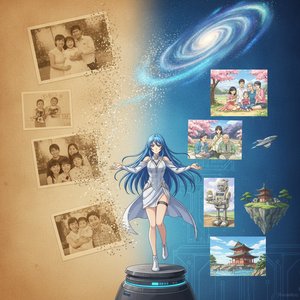
Step into the spotlight with WahooArt's AI-driven transformation. Turn your photos into stunning, hand-painted anime oil masterpieces. Experience the perfect fusion of cutting-edge technology and museum-grade craftsmanship to create a timeless pop-culture legacy for your home.
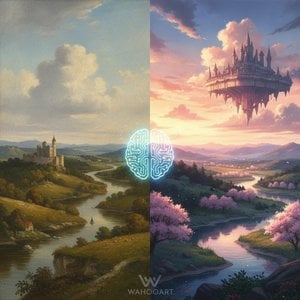
Transform your photos into high-octane action anime masterpieces with WahooArt. Our expert artists blend AI innovation with traditional oil painting to create premium, hand-painted pop culture legacies for your home. Experience museum-quality craftsmanship and a 100% satisfaction guarantee.
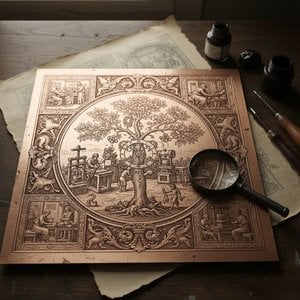
Explore the intricate world of etching and intaglio printmaking. Discover how masters use acid and metal to create profound textures and lines, from Romanticism to modern era, through an expert lens of art history and technical mastery.


 미리보기
미리보기
 공유하기
공유하기 공유하기
공유하기
 상세 정보
상세 정보

 다운로드
다운로드
 유사 작품
유사 작품 X-레이
X-레이 슬라이드 쇼
 통계 정보
통계 정보

 더 보기
더 보기









 유리 옵션은 110cm 미만 크기에서만 선택 가능합니다.


