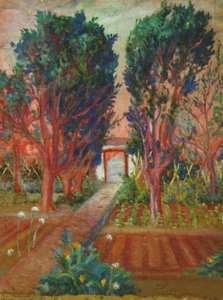
OilWallArtFantastic Expressionism
 1918Modern
 60.0 x 46.0 cm




























작품의 원본 비율을 유지하는 미리 설정된 크기 중에서 선택하세요.

특정 프레임이나 공간에 맞도록 직접 크기를 입력할 수 있습니다. 선택하신 크기가 원본 이미지의 비율과 일치하지 않는 경우, 작품을 자르거나 추가적인 손으로 그린 요소를 사용하여 그림을 확장합니다. 제작 시작 전 승인을 위해 디지털 목업을 보내드립니다.
화면 미리 보기는 실제 자르기 또는 확장을 반영하지 않습니다. 최종 구성은 목업을 통해서만 정확하게 확인하실 수 있습니다.
맞춤 크기 제작도 가능하지만, 원본 비율을 유지하기 위해 사전 정의된 목록에서 크기를 선택하시는 것을 권장합니다.

Summer House Backyard
복제본 크기
In the quiet, evocative strokes of Marc Chagall's 1918 masterpiece, "Summer House Backyard," we find much more than a mere depiction of a suburban landscape; we encounter a profound meditation on memory, faith, and the transformative power of the human imagination. To gaze upon this canvas is to step into the artist's formative years in Vitebsk, a place that served as the emotional and spiritual anchor of his entire oeuvre. Born Moishe Shagal in the small Belarusian town of Liozna, Chagall carried the vibrant cultural tapestry of his homeland within him, weaving the folklore of his Hasidic Jewish upbringing with the broader currents of European modernism. This painting acts as a nostalgic portal, capturing the essence of a world that was simultaneously grounded in domestic reality and elevated by dreamlike transcendence.
The subject matter of the piece invites the viewer into a tranquil, sun-drenched sanctuary. A modest red house stands as the focal point, bordered by a rustic wooden fence that defines the boundaries of this private Eden. Scattered throughout the yard, various pieces of furniture—chairs, benches, and a dining table positioned toward the left—suggest the lingering presence of domestic life and the warmth of convivial gatherings. Yet, there is a stillness here that transcends simple realism. Through his signature use of Fauvist principles, Chagall prioritizes expressive, emotive color over literal representation. The palette is ablaze with hues that capture the emotional resonance of recollection, where the red of the house and the lush greenery of the background trees serve not just as visual elements, but as vessels for feeling.
Chagall’s technique is famously characterized by dreamlike distortions and a flattened perspective, a style that allows him to bypass the constraints of physical space to reach deeper psychological truths. In "Summer House Backyard," the boundaries between the real and the imagined are beautifully blurred. While the scene appears grounded in the familiar, there is an underlying sense of the fantastical—a hallmark of Chagall’s ability to use symbolism and mythic storytelling to access the subconscious. The way the colors bleed into one another and the subtle warping of shapes suggest that we are not looking at a photograph of a backyard, but rather at a memory being reconstructed through the lens of a poet.
This interplay of reality and dream was particularly poignant given the historical context of 1918. As the world grappled with the profound anxieties following World War I, Chagall sought refuge in the creation of a personal mythology. The painting reflects the complex social fabric of Vitebsk, a crossroads where Orthodox Christianity and Jewish traditions coexisted. By imbuing a simple backyard scene with such intense emotional weight, Chagall transforms a local landscape into a universal symbol of peace and longing. For the collector or interior designer, this piece offers more than just aesthetic beauty; it provides a sophisticated narrative of resilience and the enduring power of one's roots.
For those seeking to infuse a living space with character and soul, "Summer House Backyard" serves as an exquisite centerpiece. Its vibrant yet harmonious color palette makes it a versatile choice for various design aesthetics, from contemporary minimalist settings that crave a splash of warmth, to more traditional, classical interiors looking for a touch of historical depth. The painting’s ability to evoke a sense of peace and nostalgia allows it to anchor a room, providing a conversational focal point that invites contemplation.
Owning a high-quality reproduction of this work is an opportunity to bring a piece of art history into the home—a way to surround oneself with the "poet of color" and his enduring legacy. Whether placed in a sunlit study or a quiet corner of a living room, the painting continues to perform its original magic: acting as a window into a world where memory and imagination dance together in eternal, colorful harmony.


1887 - 1985 , 벨라루스

Master the nuances of Impressionism vs. Post-Impressionism with our expert guide. Explore the revolutionary shift from Monet’s fleeting light to Van Gogh’s emotional depth. Discover how these iconic movements continue to inspire fine art collectors and modern interiors today.
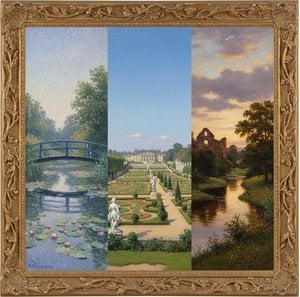
Embark on a visual journey through the serene beauty of gardens and parks in fine art. Discover how master artists capture nature's tranquility through impressionistic blooms and classical landscapes to bring timeless elegance into your home collection.
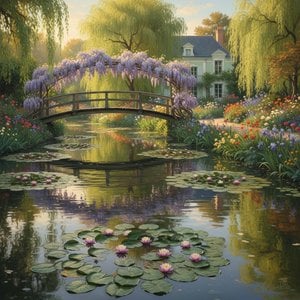
Embark on a visual journey through Claude Monet's Giverny. Discover the enchanting light, vibrant colors, and breathtaking landscapes of his legendary gardens through an expert exploration of Impressionist mastery and timeless beauty.


 미리보기
미리보기
 프린트 구매
 공유하기
공유하기 공유하기
공유하기
 상세 정보
상세 정보

 다운로드
다운로드
 유사 작품
유사 작품 X-레이
X-레이 슬라이드 쇼
 더 보기
더 보기









 유리 옵션은 110cm 미만 크기에서만 선택 가능합니다.