x


 Acrylic On CanvasWallArtNaive Art
 1966
1966 44.0 x 32.0 cm
빠른 제작과 다양한 마감 옵션을 제공하는 박물관 품질의 지클레이 또는 캔버스 프린트. ( 손으로 그린 그림 구매 이미지 구매)





























작품의 원본 비율을 유지하는 미리 설정된 크기 중에서 선택하세요.

특정 프레임이나 공간에 맞춰 직접 치수를 입력하실 수 있습니다. 선택하신 사이즈가 원본 이미지의 비율과 일치하지 않을 경우, 작품을 크롭(자르기)하거나 이미지를 대칭 또는 단색 채우기로 확장하여 제작합니다. 제작 시작 전, 최종 확인을 위해 디지털 목업이 전송됩니다.
화면상의 미리보기는 실제 크롭이나 확장 상태를 반영하지 않으므로, 최종 구도는 오직 목업을 통해서만 정확하게 확인하실 수 있습니다.
맞춤 사이즈 제작도 가능하지만, 원본 비율을 유지하기 위해서는 사전 정의된 목록에서 치수를 선택하시는 것을 권장합니다.

Striking the Rock
복제본 크기
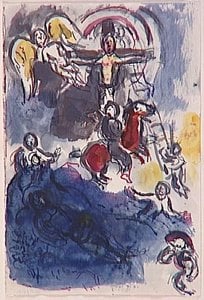
Marc Chagall's "Striking the Rock," painted in 1966, isn’t merely a depiction of a biblical narrative; it’s an immersion into a world steeped in memory, folklore, and profound spiritual yearning. This lithograph, rendered with his signature naive style, captures a pivotal moment from the Exodus story – Moses leading his people to the Promised Land, summoning water from a seemingly barren rock through a dramatic act of faith. Yet, within this familiar scene unfolds a tapestry of personal symbolism deeply rooted in Chagall’s own life and artistic journey.
The composition immediately draws the eye to the central figure of Moses, positioned slightly off-center on the left, his posture radiating both authority and vulnerability. He holds an object – often interpreted as a staff or pipe – poised to strike the rock, initiating the miraculous flow of water. Surrounding him is a vibrant throng of figures, rendered in bold, flattened forms characteristic of Chagall’s style. These aren't photographic representations; they are embodiments of emotion and experience, each face brimming with curiosity, anticipation, and perhaps even a touch of apprehension. The inclusion of two dogs – one on the left, another on the right – adds an unexpected layer of domesticity to this monumental event, hinting at the everyday life that underpins even the most extraordinary miracles.
“Striking the Rock” firmly places Chagall within the realm of Naïve Art (also known as Primitivism). This artistic movement, flourishing in Europe during the early 20th century, sought to emulate the directness and simplicity of folk art. Artists working in this style often eschewed academic training and traditional techniques, favoring bold colors, simplified forms, and a lack of perspective. Chagall’s use of flattened figures, exaggerated proportions, and vibrant hues aligns perfectly with these principles. This stylistic choice wasn't arbitrary; it allowed him to bypass the constraints of realism and tap directly into the emotional core of his subject matter.
Interestingly, Chagall’s artistic development was profoundly shaped by his childhood in Vitebsk, a border town between Poland and Belarus—a region brimming with both Jewish and Russian cultural influences. The town's unique blend of Orthodox churches and bustling marketplaces, its vibrant festivals and deeply ingrained folklore, provided the fertile ground for his imagination to flourish. This environment instilled within him a deep appreciation for storytelling, symbolism, and the power of visual imagery – elements that are abundantly evident in “Striking the Rock.”
Beyond the literal depiction of the biblical event, "Striking the Rock" is laden with symbolic meaning. The rock itself represents a challenge, an obstacle to overcome—a metaphor for the hardships faced by the Israelites during their journey through the desert. Moses’ act of striking it signifies faith, trust in God, and the willingness to take decisive action despite uncertainty. The water that emerges symbolizes salvation, sustenance, and the fulfillment of promises.
Furthermore, Chagall frequently incorporated elements from his own life into his work – a recurring motif is his wife, Bella Rosenfeld, often depicted as a radiant figure in the background. The presence of the dogs can be interpreted as reminders of his childhood, evoking feelings of warmth and companionship. The bowl at the center of the scene might represent abundance or communal sharing—a visual echo of the shared miracle.
"Striking the Rock" stands as a testament to Marc Chagall’s unique artistic vision – a world where myth, memory, and personal experience intertwine. Painted in 1966, this lithograph captures a moment of profound spiritual significance while simultaneously reflecting the artist's deeply rooted connection to his past. It is an invitation to contemplate themes of faith, perseverance, and the enduring power of dreams. A reproduction of this captivating artwork offers a window into Chagall’s extraordinary world, allowing viewers to experience firsthand the emotional intensity and symbolic richness that define his oeuvre.


1887 - 1985 , 벨라루스

Discover the enchanting world of Naive Art. Explore the profound beauty of self-taught masters like Henri Rousseau through an art-history lens, uncovering how simple forms and vibrant colors create timeless, soulful masterpieces for the discerning collector.

Discover the profound beauty of folk art through a cultural lens. Explore how naive masterpieces and vibrant global traditions preserve heritage, offering timeless inspiration for collectors and art enthusiasts seeking authenticity and soul in every brushstroke.


최신 미술 뉴스, 특별 혜택 및 인테리어 아이디어를 가장 먼저 만나보세요.
프로젝트에 대해 알려주시면 저희 미술 전문가들이 맞춤형 아트 제안 3가지를 전달해 드립니다.
당신만을 위한 맞춤형 옵션 3가지를 무료로 추천해 드립니다!


 미리보기
미리보기
 공유하기
공유하기 공유하기
공유하기
 상세 정보
상세 정보

 다운로드
다운로드
 유사 작품
유사 작품 X-레이
X-레이 슬라이드 쇼
 더 보기
더 보기









 유리 옵션은 110cm 미만 크기에서만 선택 가능합니다.