

 Acrylic On CanvasWallArtSurrealism
 1961
1961 18.0 x 28.0 cm
이 페이지에 표시된 작품은 저작권법의 보호를 받으며, 이에 따라 동일한 복제품을 제작하거나 판매하는 것은 법으로 금지되어 있습니다. 이러한 권리 보호는 다음과 같은 국제 협약에 따라 시행됩니다. 베른 협약 또한 다음에서 명시하는 법률을 포함한 국내법에 의해 보호됩니다. 미국 저작권법 제17조.
이 방식은 저작권 보호를 받는 예술 작품을 복제하거나 그대로 재현하는 것이 아니기에 저작권 규정을 완벽히 준수합니다. 대신, 이는 창의적인 재해석의 과정을 거칩니다. 즉, 원작에서 영감을 받되 원작과 동일하지 않은 새로운 회화 작품을 의미합니다.
빠른 제작과 다양한 마감 옵션을 선택할 수 있는 박물관 수준의 지클레이 및 캔버스 프린트. ( 수작업 채색 복제본 주문하기 디지털 이미지 판매 채널로 전환)





























작품의 원본 비율을 그대로 유지하는 프리셋 사이즈 중에서 선택해 보세요.

액자나 벽면 크기에 맞춰 필요한 가로와 세로 길이를 입력해 주세요. 프린트는 원본 이미지보다 크게 제작할 수 없으며 오직 자르는 것만 가능하므로, 비율이 다른 사이즈를 선택할 경우 이미지의 일부가 잘려 나갈 수 있습니다. 인쇄 작업에 들어가기 전, 최종 확인을 위해 디지털 목업을 보내드립니다. 이 페이지에 표시된 이미지는 실제 잘리는 영역을 나타내지 않으며, 오직 목업을 통해서만 정확한 확인이 가능합니다.
Paradise
복제본 규격
Marc Chagall's "Paradise," painted in 1961, isn’t merely a depiction of an idyllic realm; it’s a vibrant portal into the artist’s deeply personal and profoundly Jewish imagination. This sketch, rendered in fluid black ink on lightly grid-lined paper, captures a moment suspended between earthly reality and celestial grace—a testament to Chagall's lifelong fascination with folklore, memory, and the spiritual. The work immediately draws the eye with its dynamic composition, a seemingly chaotic arrangement of figures and animals interwoven within an undefined space, yet possessing a remarkable sense of harmony and movement. It’s a scene brimming with life, not in a realistic sense, but through the sheer force of Chagall's expressive vision.
The sketch’s lack of a singular focal point is deliberate. Instead, elements—a reclining figure, a woman with outstretched arms, and various animals – are scattered across the page, creating an impression of perpetual motion and joyful disarray. Thick lines delineate the outlines of these figures, lending them solidity and presence, while thinner lines suggest details like hair or fur, adding layers of texture and nuance. The faint grid system, barely perceptible beneath the ink, hints at a preparatory study—a glimpse into Chagall’s process of translating his inner world onto paper. This technique, characterized by loose, gestural strokes and an emphasis on capturing movement and emotion rather than precise representation, is quintessential Chagall – a rejection of rigid academic constraints in favor of pure expression.
"Paradise" resonates deeply with the themes prevalent throughout Chagall’s oeuvre. The reclining figure, often interpreted as a self-portrait, embodies a sense of serenity and contemplation, while the woman with outstretched arms evokes a primal connection to nature and perhaps even to God. The presence of animals—dogs or wolves—adds an element of wildness and untamed beauty, suggesting a harmonious coexistence between humanity and the natural world. The title itself, “Paradise,” immediately anchors the scene within biblical tradition, referencing the Garden of Eden and the loss of innocence. However, Chagall’s interpretation transcends simple allegory; it's infused with his own personal mythology—a blend of Jewish folklore, childhood memories, and a yearning for spiritual transcendence. The sketch feels like a fragment of a larger, more complex narrative, inviting viewers to project their own interpretations onto its evocative imagery.
Created in 1961, during the twilight years of Chagall’s illustrious career, “Paradise” reflects his evolving artistic style. Having spent decades experimenting with Cubism, Surrealism, and other avant-garde movements, Chagall had settled into a deeply personal and recognizable idiom by this point. The sketch's loose, expressive quality aligns perfectly with the artist’s late-career work, characterized by a heightened sense of emotion and a rejection of formal constraints. It’s important to note that Chagall’s art was profoundly shaped by his Jewish heritage—his upbringing in Vitebsk, a vibrant multicultural city on the border between Russia and Poland, instilled within him a deep appreciation for folklore, religious symbolism, and the complexities of identity. His work continues to resonate with audiences today, not only for its aesthetic beauty but also for its profound exploration of universal themes such as faith, love, loss, and the search for meaning.
Reproductions of “Paradise” offer a remarkable opportunity to bring this captivating dreamscape into your home or office. WahooArt’s hand-painted reproductions capture the essence of Chagall's original sketch with stunning fidelity, allowing you to experience the artist’s vision in all its vibrant glory.
마르크 샤갈의 "Paradise"에 묘사된 주제: jewish folklore, dreams, figures, animals, harmony, chagall, surrealism, eden.
마르크 샤갈의 "Paradise"의 권장 용도는 Statement입니다. 그 외에도 다양한 용도로 활용하실 수 있습니다.
마르크 샤갈의 "Paradise"의 디지털 파일을 소장하시려면, 디지털 이미지 페이지에서 고해상도 디지털 이미지 다운로드을(를) 주문해 주세요.


1887 - 1985 , 벨라루스

Embark on a sophisticated exploration of ink wash painting and Sumi-e. Uncover the profound historical lineages, Zen philosophies, and technical mastery behind this timeless medium in our authoritative guide for fine art enthusiasts.
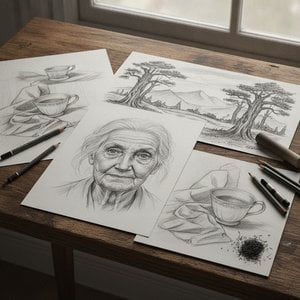
Explore the profound elegance of pencil and charcoal sketching. Discover how masters use line, shadow, and chiaroscuro to capture light and texture, bridging the gap between preparatory studies and timeless fine art masterpieces.

Embark on a profound journey through the soul of Chinese calligraphy. Explore the historical mastery of ink, brush, and script, from ancient Zhuanshu to elegant running script, and discover how this timeless art form reflects the enduring spirit of classical East Asian aesthetics.

 실제 크기로 보기
 보내기
보내기 공유하기
공유하기
 상세 보기
상세 보기 가이드 보기

 이미지 다운로드
 유사 작품 더 보기
 X-레이
X-레이 슬라이드 쇼 보기
 통계 정보
통계 정보 상세 보기
상세 보기









 유리 옵션은 110cm 미만 크기에서만 선택 가능합니다.


