Acrylic On CanvasWallArtSurrealism
 1961Modern
 33.0 x 45.0 cm
이 페이지에 표시된 작품은 저작권법의 보호를 받으며, 이에 따라 동일한 복제품을 제작하거나 판매하는 것은 법으로 금지되어 있습니다. 이러한 권리 보호는 다음과 같은 국제 협약에 따라 시행됩니다. 베른 협약 또한 다음에서 명시하는 법률을 포함한 국내법에 의해 보호됩니다. 미국 저작권법 제17조.
이 방식은 저작권 보호를 받는 예술 작품을 복제하거나 그대로 재현하는 것이 아니기에 저작권 규정을 완벽히 준수합니다. 대신, 이는 창의적인 재해석의 과정을 거칩니다. 즉, 원작에서 영감을 받되 원작과 동일하지 않은 새로운 회화 작품을 의미합니다.
빠른 제작과 다양한 마감 옵션을 선택할 수 있는 박물관 수준의 지클레이 및 캔버스 프린트. ( 수작업 채색 복제본 주문하기 디지털 이미지 판매 채널로 전환)





























작품의 원본 비율을 그대로 유지하는 프리셋 사이즈 중에서 선택해 보세요.

액자나 벽면 크기에 맞춰 필요한 가로와 세로 길이를 입력해 주세요. 프린트는 원본 이미지보다 크게 제작할 수 없으며 오직 자르는 것만 가능하므로, 비율이 다른 사이즈를 선택할 경우 이미지의 일부가 잘려 나갈 수 있습니다. 인쇄 작업에 들어가기 전, 최종 확인을 위해 디지털 목업을 보내드립니다. 이 페이지에 표시된 이미지는 실제 잘리는 영역을 나타내지 않으며, 오직 목업을 통해서만 정확한 확인이 가능합니다.
Paradise (13)
복제본 규격
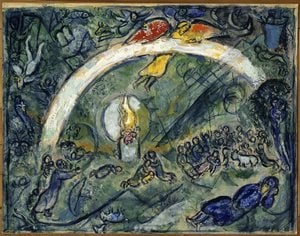
Marc Chagall's "Paradise (13)," painted in 1961, isn’t merely a depiction of an idyllic garden; it’s a vibrant, deeply personal tapestry woven from the threads of memory, faith, and the artist’s unique vision. This surrealistic masterpiece transcends simple representation, inviting us into a world where figures dance with animals, time seems to dissolve, and the familiar becomes imbued with profound symbolism. Born Moishe Shagal in Vitebsk, Belarus, Chagall carried within him the echoes of his Hasidic upbringing – a rich tradition of folklore, storytelling, and an unwavering belief in the power of dreams—and this is powerfully evident in every brushstroke.
The painting immediately captivates with its riotous color palette. Chagall eschews naturalistic hues, instead employing bold, luminous shades of blue, yellow, red, and green to create an atmosphere that’s both joyous and slightly unsettling. These aren't colors meant to simply describe; they are emotional conduits, conveying a sense of ecstatic wonder and spiritual yearning. The composition itself is deliberately dreamlike – figures float, animals mingle with humans, and the landscape bends according to Chagall’s imagination rather than strict perspective. This deliberate distortion reflects his intention: not to depict reality, but to capture the essence of a remembered paradise, filtered through the lens of memory and faith.
At the heart of “Paradise (13)” sits a woman seated in a chair, radiating an aura of serenity and maternal grace. This figure is often interpreted as representing Eve, though Chagall himself resisted definitive interpretations, preferring to let viewers find their own meaning within the work. Beside her stand two men, likely Adam and God, engaged in a gesture of blessing or perhaps even gentle rebuke. The presence of these figures anchors the painting within the biblical narrative of creation and expulsion from Eden, yet they are rendered with Chagall’s characteristic dreamlike quality – their forms elongated, their features softened, suggesting a realm beyond earthly constraints.
Scattered throughout the scene are a host of symbolic elements. A dog, often associated with loyalty and fidelity, sits close to the woman, while a horse—a symbol of strength and nobility—dominates the upper right corner. Birds flit across the canvas, representing freedom and spiritual aspiration. A prominent figure is a musician playing a violin, evoking themes of joy, celebration, and the divine presence in earthly life. Even seemingly simple objects – a table laden with fruit, a scattering of flowers – carry layers of meaning, hinting at abundance, fertility, and the promise of eternal life.
Painted in 1961, "Paradise (13)" represents a pivotal moment in Chagall's artistic journey. Following his emigration to France and the United States during World War II, he returned to a renewed sense of purpose and a deepening engagement with religious themes. This period saw him increasingly explore the rich tapestry of Jewish folklore and biblical narratives, often blending them with personal memories and emotional experiences. “Paradise (13)” is part of a larger series of works inspired by the Book of Genesis, reflecting his lifelong fascination with creation, redemption, and the human condition.
Interestingly, this painting shares thematic resonances with Chagall’s earlier work, particularly "Adam and Eve Expelled from Paradise" (1962). Both pieces depict a similar scene of expulsion, but “Paradise (13)” offers a more hopeful vision—a glimpse of an idealized Edenic realm where figures are bathed in light and surrounded by symbols of abundance. The Musée Marc Chagall in Nice houses a significant collection of his biblical works, providing invaluable context for understanding the evolution of his artistic vision.
WahooArt offers meticulously hand-painted reproductions of Marc Chagall’s "Paradise (13)" that capture the essence of this iconic artwork. Our skilled artisans replicate Chagall's vibrant colors, dreamlike composition, and evocative symbolism with exceptional detail and fidelity. Whether you choose a large-scale canvas for a statement wall or a smaller print to adorn your study, our reproductions provide an authentic and beautiful way to bring this masterpiece into your home or office. More than just a decorative piece, “Paradise (13)” is a portal to Chagall’s world—a world of faith, memory, and boundless imagination.
마르크 샤갈의 "Paradise (13)"은(는) WallArt로 분류됩니다. 이 카테고리는 원작이 어떤 종류의 예술 작품인지를 설명합니다.
마르크 샤갈의 "Paradise (13)"은(는) 여전히 저작권의 보호를 받고 있습니다 상태입니다. 저작권 보호 기간은 작가가 사망한 1985년부터 기산됩니다.
마르크 샤갈의 "Paradise (13)"의 휘도는 Gentle Luminance입니다. 휘도는 색상이 빛을 얼마나 반사하는지를 나타냅니다.


1887 - 1985 , 벨라루스

Embark on a journey through the subconscious with our expert guide to Surrealism. Discover the profound symbolism of masters like Dalí and Ernst, exploring how dreamlike imagery reshaped art history and continues to inspire collectors and enthusiasts worldwide.

 실제 크기로 보기
 보내기
보내기 공유하기
공유하기
 상세 보기
상세 보기 가이드 보기

 이미지 다운로드
 유사 작품 더 보기
 X-레이
X-레이 슬라이드 쇼 보기
 통계 정보
통계 정보 상세 보기
상세 보기









 유리 옵션은 110cm 미만 크기에서만 선택 가능합니다.