
 Oil On CanvasWallArtRenaissance
 1529
1529 86.0 x 66.0 cm
 국립 미술관
빠른 제작과 다양한 마감 옵션을 제공하는 박물관 품질의 지클레이 또는 캔버스 프린트. ( 손으로 그린 그림 구매 디지털 이미지로 전환)





























작품의 원본 비율을 유지하는 미리 설정된 크기 중에서 선택하세요.

특정 프레임이나 공간에 맞춰 직접 치수를 입력하실 수 있습니다. 선택하신 사이즈가 원본 이미지의 비율과 일치하지 않을 경우, 작품을 크롭(자르기)하거나 이미지를 대칭 또는 단색 채우기로 확장하여 제작합니다. 제작 시작 전, 최종 확인을 위해 디지털 목업이 전송됩니다.
화면상의 미리보기는 실제 크롭이나 확장 상태를 반영하지 않으므로, 최종 구도는 오직 목업을 통해서만 정확하게 확인하실 수 있습니다.
맞춤 사이즈 제작도 가능하지만, 원본 비율을 유지하기 위해서는 사전 정의된 목록에서 치수를 선택하시는 것을 권장합니다.

Portrait of Anna Codde
복제본 크기
Maerten van Heemskerck’s “Portrait of Anna Codde,” painted in 1529, isn't merely a likeness; it’s a meticulously crafted tableau vivant – a snapshot of life within the burgeoning world of early Dutch Renaissance society. More than just a portrait, this work offers a rare glimpse into the domestic sphere, revealing a woman engaged in a timeless activity: spinning wool. The scene unfolds with quiet dignity and understated elegance, capturing not only Anna’s physical appearance but also her role as a skilled artisan and devoted wife – a common yet increasingly valued ideal within the Dutch merchant class of the era.
The painting immediately draws the eye to Anna herself, seated comfortably in a simple chair. Her long, flowing hair is partially arranged, suggesting a deliberate effort towards presentation, while her gaze is direct and engaging, inviting the viewer into her world. The spindle she holds isn’t just an object of craft; it's a symbol of domesticity, industry, and the woman’s vital contribution to the household economy. Her dress, though modest in style, speaks volumes about her status – a subtle indication of wealth and refinement. Notice the careful attention to detail in the rendering of her hands, demonstrating Heemskerck’s mastery of capturing texture and form.
Heemskerck’s style is immediately recognizable as a masterful blend of Italian Renaissance ideals with distinctly Dutch sensibilities. The influence of Jan van Scorel, his former teacher, is evident in the use of light and shadow – a technique known as *chiaroscuro* – which creates a sense of depth and volume within the composition. However, Heemskerck departs from the purely idealized forms often found in Italian portraits, opting for a more naturalistic approach that reflects the growing interest in portraying individuals with greater realism.
The painting’s color palette is restrained yet sophisticated, dominated by earthy tones – browns, ochres, and muted greens – which evoke the textures of the wool and the surrounding domestic environment. The background, featuring a chair and a clock on the wall, provides context without overwhelming the central figure. Heemskerck's skill lies not just in depicting individual features but also in creating a harmonious whole, where every element contributes to the overall narrative.
“Portrait of Anna Codde” was painted during a period of significant social and economic transformation in the Netherlands. The rise of merchant families like the Coddes fueled a burgeoning economy and a growing emphasis on wealth, status, and family lineage. Portraits became increasingly important as a means of documenting these achievements and solidifying one’s place within society. The inclusion of domestic scenes like this one was not uncommon; it served to portray the subject as both a successful businesswoman and a devoted wife – qualities highly valued in 16th-century Dutch culture.
Furthermore, the painting reflects the growing interest in secular portraiture during this time. While religious subjects remained important, artists began experimenting with depicting everyday life and capturing the personalities of their patrons. The meticulous detail and realistic portrayal of Anna Codde demonstrate Heemskerck’s commitment to portraying his subject with honesty and dignity.
Beyond its technical merits, “Portrait of Anna Codde” is rich in symbolism. The spinning wheel represents not only her craft but also the woman's role as a provider for her household – a vital contribution to the family’s well-being. The clock on the wall serves as a reminder of time and the passage of life, subtly emphasizing the importance of cherishing each moment. The birds in the background, one near the top right corner and another towards the bottom left of the painting, may represent good fortune or simply add to the idyllic scene.
Ultimately, “Portrait of Anna Codde” is a poignant reminder of a bygone era – a time when domesticity was intertwined with prosperity and artistry. It’s a testament to Heemskerck's skill as a painter and his ability to capture not just a likeness but also the essence of a human being within her historical context. Reproductions of this captivating work offer a beautiful window into the heart of the Dutch Renaissance.

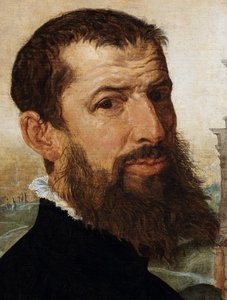
1498 - 1574 , 네덜란드

렘브란트 반 레인 명작 25선을 만나보세요. 빛과 그림자의 거장이 그린 역사화, 초상화 속 예술의 정수를 감상하고, 네덜란드 황금시대 바로크 미술의 깊이를 느껴보세요. WahooArt.com에서 고품질 복제화를 컬렉션하세요.

Discover Jan van Goyen, the master of Dutch landscape painting. Explore his subtle technique, atmospheric realism & lasting influence on art history. Learn about this 17th-century pioneer at WahooArt.

Explore the life & work of Adriaen van Ostade, a leading Dutch Golden Age painter. Discover his realistic genre scenes, social commentary, and lasting influence on art history. Learn more at WahooArt.

Discover the captivating maritime paintings of Willem van de Velde the Elder, a master chronicler of the Dutch Golden Age. Explore his unparalleled realism and lasting influence on naval art history.

Explore the captivating world of Maerten van Heemskerck, a pivotal Dutch Renaissance painter bridging Mannerism & Italian influence. Discover his masterpieces and legacy with WahooArt.


 미리보기
미리보기
 공유하기
공유하기 공유하기
공유하기
 상세 정보
상세 정보 가이드 보기

 다운로드
다운로드
 유사 작품
유사 작품 X-레이
X-레이 슬라이드 쇼
 통계 정보
통계 정보 더 보기
더 보기









 유리 옵션은 110cm 미만 크기에서만 선택 가능합니다.


