
원하는 크기와 액자로 주문 제작되는, 작가들이 직접 캔버스에 손으로 그린 유화 작품입니다. ( 프린트 판매로 전환 디지털 이미지로 전환)
작품의 원본 비율을 유지하는 미리 설정된 크기 중에서 선택하세요.

특정 프레임이나 공간에 맞도록 직접 크기를 입력할 수 있습니다. 선택하신 크기가 원본 이미지의 비율과 일치하지 않는 경우, 작품을 자르거나 추가적인 손으로 그린 요소를 사용하여 그림을 확장합니다. 제작 시작 전 승인을 위해 디지털 목업을 보내드립니다.
화면 미리 보기는 실제 자르기 또는 확장을 반영하지 않습니다. 최종 구성은 목업을 통해서만 정확하게 확인하실 수 있습니다.
맞춤 크기 제작도 가능하지만, 원본 비율을 유지하기 위해 사전 정의된 목록에서 크기를 선택하시는 것을 권장합니다.

Bowl
복제본 크기
In the quiet intersection of utility and fine art lies this exquisite ceramic bowl, a piece that breathes with the rhythmic pulse of mid-century mastery. Created in 1977, this work serves as a profound testament to the enduring legacy of the Vienna School of Arts and Crafts, specifically channeling the spirit of Lucie Rie’s transformative influence on modern pottery. The bowl is not merely a vessel but a sculptural dialogue between the raw, elemental nature of clay and the sophisticated refinement of contemporary design. Its deep, earthy brown tones provide a grounding foundation, while the delicate blue accents dance across the surface like sudden strokes of twilight across a landscape, inviting the viewer to contemplate the balance between stability and movement.
The craftsmanship displayed in this piece evokes a sense of timelessness, reminiscent of the Asian pottery traditions that have long inspired the world's most celebrated ceramicists. Each curve of the bowl’s silhouette suggests a deliberate, meditative process, where the potter’s hands have coaxed life from the kiln's heat. The texture and color palette are masterfully balanced; the richness of the brown glaze offers a warm, tactile depth that feels both ancient and avant-garde. For the discerning collector or interior designer, this piece acts as a focal point of organic elegance, capable of anchoring a minimalist modern space or adding a layer of sophisticated warmth to a classical setting.
To behold this bowl is to connect with a lineage of artistic excellence that spans generations. The influence of the Vienna School—a movement defined by its seamless integration of functional objects into the fabric of beautiful living—is palpable in every detail. This work captures the essence of an era where the boundaries between decorative arts and high art were dissolved, replaced by a shared reverence for material integrity and formal precision. The blue accents are not merely decorative; they serve as rhythmic interruptions to the solid form, creating a visual tension that keeps the eye wandering across its surface, discovering new nuances in the glaze with every glance.
Beyond its physical presence, the bowl carries an emotional resonance of tranquility and permanence. In an age of fleeting digital imagery, there is something deeply restorative about the weight and substance of well-crafted ceramics. It embodies a sense of "wabi-sabi"—the beauty found in the imperfect, the natural, and the enduring. Whether displayed as a solitary masterpiece on a pedestal or integrated into a curated collection of fine stoneware, this reproduction offers an opportunity to bring a piece of art history into the contemporary home, providing an atmosphere of cultured serenity and unparalleled aesthetic distinction.

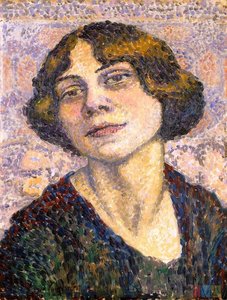
1876 - 1925 , France

Explore the profound elegance of ceramic art. From master glazes to sculptural forms, our expert guide offers discerning collectors deep insights into the mastery, texture, and timeless value of fine ceramics for sophisticated collections and luxury interiors.


 공유하기
공유하기 공유하기
공유하기
 상세 정보
상세 정보

 다운로드
다운로드
 유사 작품
유사 작품 슬라이드 쇼
 통계 정보
통계 정보


 더 보기
더 보기






































 유리 옵션은 110cm 미만 크기에서만 선택 가능합니다.


