
x


 EngravingWallArtNorthern Renaissance
 1515
1515 115.0 x 68.0 cm
 국립 미술관




























작품의 원본 비율을 유지하는 미리 설정된 크기 중에서 선택하세요.

특정 프레임이나 공간에 맞도록 직접 크기를 입력할 수 있습니다. 선택하신 크기가 원본 이미지의 비율과 일치하지 않는 경우, 작품을 자르거나 추가적인 손으로 그린 요소를 사용하여 그림을 확장합니다. 제작 시작 전 승인을 위해 디지털 목업을 보내드립니다.
화면 미리 보기는 실제 자르기 또는 확장을 반영하지 않습니다. 최종 구성은 목업을 통해서만 정확하게 확인하실 수 있습니다.
맞춤 크기 제작도 가능하지만, 원본 비율을 유지하기 위해 사전 정의된 목록에서 크기를 선택하시는 것을 권장합니다.

Lucretia
복제본 크기
Lucas van Leyden’s “Lucretia” – a masterful engraving executed around 1515 – isn't merely a depiction of a historical event; it’s a profound meditation on virtue, sacrifice, and the devastating consequences of betrayal. The scene unfolds with stark simplicity: Lucretia, a Roman noblewoman, stands poised over a dagger, her body partially nude, a gesture both vulnerable and defiant. The composition is meticulously controlled – a central figure framed by a restrained architectural setting – drawing the viewer’s eye directly to her face, etched with an intensity that transcends mere representation. This isn't a grand historical pageant; it’s a deeply personal moment of agonizing resolve, captured with remarkable psychological depth for its time.
Van Leyden, a pivotal figure in the transition from Gothic to Renaissance art in the Netherlands, demonstrates his mastery of engraving here. He eschews the flamboyant colors and dramatic gestures favored by some of his contemporaries, opting instead for a carefully calibrated grayscale palette. The limited tonal range – ranging from deep blacks to subtle gradations of gray – creates an atmosphere of somber contemplation, emphasizing the weight of Lucretia’s decision. The artist's skill lies in building form through intricate lines; hatching and cross-hatching are deployed with precision, suggesting texture in the fabric of her gown, the smoothness of her skin, and the cold steel of the dagger. The meticulous detail isn’t about superficial beauty but about conveying a sense of realism and emotional truth.
“Lucretia” is a testament to the technical prowess of Lucas van Leyden and exemplifies the hallmarks of Northern Renaissance engraving. The process began with a copper or zinc plate, painstakingly etched using specialized tools called burins – fine needles used to cut precise lines into the metal surface. These lines were then inked evenly across the entire plate, followed by careful wiping away of the ink from areas intended to remain white. Finally, the inked plate was pressed firmly against paper, transferring the image in reverse. The result is a remarkably detailed and enduring print, showcasing the artist’s control over line weight, texture, and tonal values.
The choice of materials – durable metal plates, sharp engraving tools, and high-quality paper – speaks to Van Leyden's commitment to longevity and artistic integrity. This particular example is believed to be one of a series of prints based on a design by Raphael, highlighting the influence of Italian Renaissance art on Northern European artists. The print’s clarity and detail suggest that it was intended for discerning collectors and patrons who appreciated both technical skill and classical subject matter.
The narrative depicted is rooted in Roman legend, recounting the story of Lucretia, a virtuous woman who committed suicide to protect her family from the tyranny of Sextus Tarquinius Collatinus. After being violated, she falsely confessed to adultery, hoping to shame him into relinquishing his claim to the throne. However, realizing that her confession would only bring further disgrace upon her family, she took her own life, thereby securing her place in history as a symbol of unwavering virtue and sacrifice. The dagger held by Lucretia is not merely a weapon; it represents her agency, her defiance against an unjust world, and the tragic culmination of her decision.
Beyond the literal depiction of the event, “Lucretia” invites contemplation on themes of honor, shame, power, and female autonomy. The closed wooden chest in the background adds a layer of intrigue, suggesting hidden secrets and unresolved conflicts. The overall mood is one of profound sadness and regret, yet also imbued with a sense of quiet dignity. It’s a powerful image that continues to resonate centuries after its creation, prompting viewers to consider the complexities of human morality and the enduring legacy of this iconic story.


1494 - 1533 , 네덜란드

Explore the profound mastery of engraving and intaglio printmaking. Delve into the rich history, technical precision of the burin, and the enduring legacy of fine art techniques that shaped the world's most iconic masterpieces.
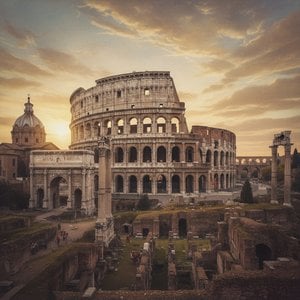
Explore the profound beauty of Roman architecture through art history. From Piranesi's evocative engravings to classical masterpieces, discover how the grandeur of ancient Rome continues to inspire collectors and art enthusiasts worldwide.


최신 미술 뉴스, 특별 혜택 및 인테리어 아이디어를 가장 먼저 만나보세요.
프로젝트에 대해 알려주시면 저희 미술 전문가들이 맞춤형 아트 제안 3가지를 전달해 드립니다.
당신만을 위한 맞춤형 옵션 3가지를 무료로 추천해 드립니다!


 미리보기
미리보기
 프린트 구매
 공유하기
공유하기 공유하기
공유하기
 상세 정보
상세 정보

 다운로드
다운로드
 유사 작품
유사 작품 X-레이
X-레이 슬라이드 쇼
 더 보기
더 보기









 유리 옵션은 110cm 미만 크기에서만 선택 가능합니다.


