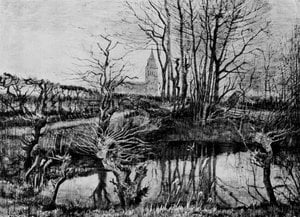
EtchingEarly Renaissance
 1520Renaissance
 114.0 x 86.0 cm
 국립 미술관




























작품의 원본 비율을 유지하는 미리 설정된 크기 중에서 선택하세요.

특정 프레임이나 공간에 맞도록 직접 크기를 입력할 수 있습니다. 선택하신 크기가 원본 이미지의 비율과 일치하지 않는 경우, 작품을 자르거나 추가적인 손으로 그린 요소를 사용하여 그림을 확장합니다. 제작 시작 전 승인을 위해 디지털 목업을 보내드립니다.
화면 미리 보기는 실제 자르기 또는 확장을 반영하지 않습니다. 최종 구성은 목업을 통해서만 정확하게 확인하실 수 있습니다.
맞춤 크기 제작도 가능하지만, 원본 비율을 유지하기 위해 사전 정의된 목록에서 크기를 선택하시는 것을 권장합니다.

Cain Killing Abel
복제본 크기
To stand before an image like Lucas van Leyden's Cain Killing Abel is to confront a moment of primal human failure, rendered with the meticulous grace of the early Renaissance. This etching, dating from 1520, transcends mere depiction; it captures the visceral echo of fratricide—a foundational tragedy woven into the tapestry of biblical narrative. The scene unfolds in a stark natural landscape, where the lushness of the foliage and trees serves only to heighten the drama unfolding in the foreground. It is a tableau vivant of irreversible action, forcing the viewer to bear witness to the instant when jealousy curdles into deadly force.
Van Leyden’s command over the etching medium is nothing short of breathtaking. The piece is a profound study in line work; observe how the artist utilizes fine lines and intricate cross-hatching not merely to shade, but to build palpable texture—the rough grain of the earth beneath Abel, the taut musculature of Cain, the very air thick with impending violence. This technical virtuosity, characteristic of early Dutch printmaking, lends an almost unsettling realism to the composition. The interplay of light and shadow is handled with such care that it sculpts the figures out of the monochrome depth, giving weight and gravity to every outstretched arm and fallen body.
The narrative itself—the confrontation between Cain and Abel—is steeped in potent symbolism. The contrast between the two figures is immediate and devastating. Cain, poised with an object of potential destruction, embodies unchecked rage and consequence. Conversely, Abel lies victim to this sudden brutality, his prone form speaking volumes about innocence violated. The surrounding natural world acts as a silent, indifferent witness; it frames the human drama without offering solace or judgment. This juxtaposition—the vibrant life suggested by the background against the stark finality of the foreground action—is what gives the work its enduring emotional resonance.
For those who wish to integrate such a powerful piece of art into their contemporary living space, acquiring a high-quality reproduction of this etching offers an unparalleled connection to artistic history. Our hand-painted reproductions are crafted with exceptional attention to detail, striving to mirror the depth and nuance of Van Leyden’s original 1520 work. Owning this piece allows one not only to decorate a room but to curate a dialogue with the masters of the Renaissance. It is an investment in narrative power, technical brilliance, and timeless human emotion.


1494 - 1533 , 네덜란드

Master the nuances of Giclée printing with our expert guide. Discover how pigment-based inks and museum-grade substrates create fade-resistant, high-fidelity art reproductions designed for discerning collectors seeking unparalleled quality and longevity.
당신의 예술적 영감을 전 세계로 확장하세요. WahooArt는 재고 부담 없는 프리미엄 지클리(Giclée) 프린트 솔루션을 통해 인플루언서와 작가들에게 글로벌 비즈니스 기회를 제공합니다. 박물관급 품질의 파인 아트 프린팅과 투명한 물류 시스템으로 당신의 작품을 시대를 초월한 예술적 유산으로 완성해 드립니다.


 미리보기
미리보기
 프린트 구매
 공유하기
공유하기 공유하기
공유하기
 상세 정보
상세 정보

 다운로드
다운로드
 유사 작품
유사 작품 X-레이
X-레이 슬라이드 쇼
 더 보기
더 보기









 유리 옵션은 110cm 미만 크기에서만 선택 가능합니다.