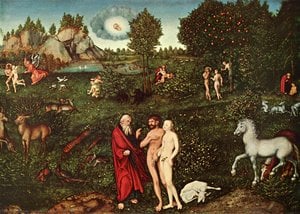
Oil On CanvasWallArtMannerist
 1520
1520 46.0 x 67.0 cm
 National Gallery of Denmark
원하는 크기와 액자로 주문 제작되는, 작가들이 직접 캔버스에 손으로 그린 유화 작품입니다. ( 프린트 판매로 전환 디지털 이미지로 전환)





























작품의 원본 비율을 유지하는 미리 설정된 크기 중에서 선택하세요.

특정 프레임이나 공간에 맞도록 직접 크기를 입력할 수 있습니다. 선택하신 크기가 원본 이미지의 비율과 일치하지 않는 경우, 작품을 자르거나 추가적인 손으로 그린 요소를 사용하여 그림을 확장합니다. 제작 시작 전 승인을 위해 디지털 목업을 보내드립니다.
화면 미리 보기는 실제 자르기 또는 확장을 반영하지 않습니다. 최종 구성은 목업을 통해서만 정확하게 확인하실 수 있습니다.
맞춤 크기 제작도 가능하지만, 원본 비율을 유지하기 위해 사전 정의된 목록에서 크기를 선택하시는 것을 권장합니다.

The Crucifixion
복제본 크기
Lucas Cranach the Elder’s “The Crucifixion,” painted circa 1503, is not merely a depiction of a historical event; it's a profound meditation on sacrifice, faith, and the very essence of human experience. Emerging from the prolific workshop of a master artist deeply embedded in the tumultuous era of the German Reformation, this oil-on-panel masterpiece transcends its religious subject matter to become a timeless exploration of grief, hope, and the enduring power of belief. Cranach’s skill lies not just in his technical proficiency—evident in the meticulously rendered figures and dramatic lighting—but also in his ability to imbue the scene with an almost palpable emotional weight.
The composition immediately draws the viewer into a tightly framed space, dominated by the central figure of Christ on the cross. He is not idealized; rather, Cranach presents a raw, vulnerable image of suffering. The wounds are visible, the body contorted in agony, yet there’s an undeniable dignity and acceptance radiating from his posture. Around him, a carefully orchestrated tableau unfolds: two men, also crucified alongside Christ, hang from ladders above, their faces etched with despair – a stark reminder of the universal human condition mirrored in the suffering of the Redeemer. Below, figures gather, representing both those who witnessed the event with sorrow and those who actively rejected its message. The inclusion of a horse near the bottom of the painting adds an intriguing layer of symbolism, perhaps referencing the Roman practice of using horses to carry the bodies of the condemned to their burial sites, or serving as a visual anchor for the scene’s dramatic intensity.
Cranach's style firmly resides within the Mannerist movement, a period characterized by its departure from the idealized forms of the High Renaissance. Here, we see a deliberate shift towards elongated figures, exaggerated poses, and an intense focus on emotional expression. The artist employs a sophisticated use of chiaroscuro – the dramatic interplay of light and shadow – to sculpt the bodies and heighten the sense of drama. Notice how the strong contrasts accentuate Christ’s wounds and the despair in the faces of those surrounding him. The meticulous detail evident in the rendering of textures, from the rough fabric of the garments to the weathered skin of the figures, speaks to Cranach's mastery of oil painting techniques. The use of layered glazes creates a luminous quality that brings the scene to life, while subtle color variations contribute to the overall mood and atmosphere.
The panel itself is painted with remarkable precision, showcasing Cranach’s ability to work on a relatively small scale while maintaining a sense of grandeur. The composition is carefully balanced, drawing the eye across the scene and ensuring that no element is overlooked. The artist's attention to detail extends beyond the figures themselves; even the background elements – the architecture, the landscape – are rendered with a remarkable degree of realism.
“The Crucifixion” is deeply rooted in its historical context—the early years of the Protestant Reformation. Cranach, a staunch supporter of Martin Luther, used his art to convey the central tenets of the new faith: the importance of individual piety, the rejection of papal authority, and the belief in salvation through faith alone. The painting’s emotional intensity reflects the spiritual fervor that gripped Europe during this period. The depiction of Christ's suffering is not simply a historical record but a powerful symbol of humanity’s need for redemption.
Beyond its religious significance, the work also incorporates elements of classical symbolism. The horse, as mentioned earlier, may represent sacrifice and death, echoing ancient Roman traditions. The figures gathered around the cross can be interpreted as representing various aspects of human response to suffering – grief, doubt, acceptance, and defiance. Cranach’s ability to seamlessly blend religious iconography with classical motifs demonstrates his artistic versatility and his deep understanding of the cultural landscape of his time.
“The Crucifixion” remains a profoundly moving work of art, offering viewers an opportunity for contemplation and reflection. It is not merely a depiction of a single event but a universal meditation on suffering, faith, and the enduring human spirit. The painting’s emotional intensity, combined with Cranach's masterful technique, ensures its continued relevance across centuries. Whether viewed as a religious icon or simply as a powerful work of art, “The Crucifixion” continues to resonate with audiences around the world, reminding us of the complexities of faith and the enduring power of human compassion.


1472 - 1553 , 독일

Explore the dramatic evolution of Northern Mannerism. Discover how masters like Bosch and Grünewald transitioned from Renaissance harmony to profound, elegant distortion through an expert analysis of symbolism, emotional intensity, and artistic innovation.

Explore the profound mastery of engraving and intaglio printmaking. Delve into the rich history, technical precision of the burin, and the enduring legacy of fine art techniques that shaped the world's most iconic masterpieces.
Explore the profound power of religious symbolism in art history. From Renaissance masterpieces to sacred iconography, uncover the hidden meanings behind divine details in a deep dive into classical art excellence.


 미리보기
미리보기
 공유하기
공유하기 공유하기
공유하기
 상세 정보
상세 정보

 다운로드
다운로드
 유사 작품
유사 작품 X-레이
X-레이 슬라이드 쇼
 통계 정보
통계 정보 더 보기
더 보기









 유리 옵션은 110cm 미만 크기에서만 선택 가능합니다.