빠른 제작과 다양한 마감 옵션을 제공하는 박물관 품질의 지클레이 또는 캔버스 프린트. ( 손으로 그린 그림 구매 디지털 이미지로 전환)





























작품의 원본 비율을 유지하는 미리 설정된 크기 중에서 선택하세요.

특정 프레임이나 공간에 맞춰 직접 치수를 입력하실 수 있습니다. 선택하신 사이즈가 원본 이미지의 비율과 일치하지 않을 경우, 작품을 크롭(자르기)하거나 이미지를 대칭 또는 단색 채우기로 확장하여 제작합니다. 제작 시작 전, 최종 확인을 위해 디지털 목업이 전송됩니다.
화면상의 미리보기는 실제 크롭이나 확장 상태를 반영하지 않으므로, 최종 구도는 오직 목업을 통해서만 정확하게 확인하실 수 있습니다.
맞춤 사이즈 제작도 가능하지만, 원본 비율을 유지하기 위해서는 사전 정의된 목록에서 치수를 선택하시는 것을 권장합니다.

Madonna and Child
복제본 크기
Lucas Cranach the Elder's "Madonna and Child," painted in 1529, is more than just a depiction of Mary and Jesus; it’s a profound meditation on motherhood, faith, and the burgeoning spirit of the Reformation. Crafted during a period of intense religious and political upheaval in Germany, this painting stands as a testament to Cranach's remarkable ability to capture both the idealized beauty of Renaissance art and the deeply personal emotions at its core. The work immediately draws the viewer into a scene of serene intimacy – a mother cradling her child within a softly lit domestic space, yet imbued with an almost otherworldly grace.
Cranach’s Northern Renaissance style is evident in every brushstroke. He eschews the overly polished and idealized forms favored by some of his contemporaries, opting instead for a more naturalistic approach. The figures possess a tangible humanity; Mary isn't presented as an ethereal goddess but as a woman, radiating warmth and tenderness. The subtle modeling of her face, the gentle curve of her hands cradling the infant Jesus – these details speak to Cranach’s meticulous attention to detail and his deep understanding of human anatomy.
Painted against a backdrop suggestive of a simple interior—a glimpse through an open window revealing a landscape—the scene subtly reflects the shifting social and religious landscape of 16th-century Germany. The Reformation was gaining momentum, challenging established authority and fostering a new emphasis on individual faith. Cranach, a close friend to Martin Luther, skillfully incorporated elements that resonated with this evolving worldview. While rooted in traditional Marian iconography, the painting avoids overt displays of piety, instead focusing on the quiet dignity and profound love between mother and child.
The inclusion of two additional figures – a man on the left and another on the right – adds an intriguing layer of complexity to the composition. These individuals likely represent family members or attendants, suggesting a scene of domestic life within a broader social context. Their presence underscores the importance of familial bonds and community in the lives of ordinary people during this transformative era.
The painting is rich with symbolic meaning. The open window, for instance, can be interpreted as a metaphor for divine grace – a glimpse beyond the earthly realm into the realm of God. Mary’s modest attire and gentle expression convey humility and devotion. Crucially, the positioning of Jesus in her arms—close to her breast—is not merely a depiction of physical closeness but also symbolizes his intimate connection with humanity and his role as the embodiment of divine love. The use of blue pigments, particularly in Mary's robes, further reinforces this symbolism, representing purity, faith, and royalty – attributes traditionally associated with the Virgin Mother.
“Madonna and Child” by Lucas Cranach the Elder is a masterpiece that continues to captivate viewers centuries after its creation. Its enduring appeal lies in its ability to evoke a powerful sense of empathy, reverence, and hope. Reproductions of this iconic work offer an opportunity to bring this timeless image into your home or office, transforming any space with its serene beauty and profound message. It’s a reminder of the universal themes of love, faith, and family—values that resonate deeply across cultures and generations.


1472 - 1553 , 독일

Explore the profound precision of German Renaissance art. From Albrecht Dürer’s intricate engravings to the soulful depth of Northern Renaissance portraiture, discover a masterclass in detail, humanism, and technical mastery for the true art enthusiast.
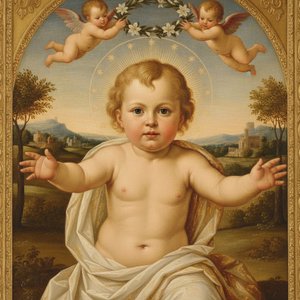
Explore the profound beauty of Baby Jesus in fine art history. From Raphael's Renaissance masterpieces to symbolic light, discover how classical painters captured divine innocence through masterful technique and sacred iconography.
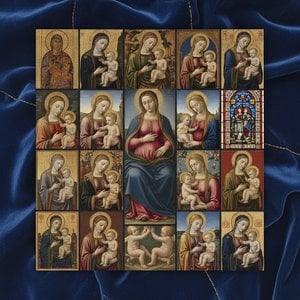
Embark on a sophisticated journey through art history with our curated guide to the most iconic Madonna and Child masterpieces. Discover the profound beauty, theological depth, and enduring legacy of these sacred Renaissance treasures.


 미리보기
미리보기
 공유하기
공유하기 공유하기
공유하기
 상세 정보
상세 정보 가이드 보기

 다운로드
다운로드
 유사 작품
유사 작품 X-레이
X-레이 슬라이드 쇼
 통계 정보
통계 정보


 더 보기
더 보기









 유리 옵션은 110cm 미만 크기에서만 선택 가능합니다.