Acrylic On CanvasWallArtRenaissance
 60.0 x 42.0 cm
 알테 핀코테크
원하는 크기와 액자로 주문 제작되는, 작가들이 직접 캔버스에 손으로 그린 유화 작품입니다. ( 프린트 판매로 전환 디지털 이미지로 전환)





























작품의 원본 비율을 유지하는 미리 설정된 크기 중에서 선택하세요.

특정 프레임이나 공간에 맞도록 직접 크기를 입력할 수 있습니다. 선택하신 크기가 원본 이미지의 비율과 일치하지 않는 경우, 작품을 자르거나 추가적인 손으로 그린 요소를 사용하여 그림을 확장합니다. 제작 시작 전 승인을 위해 디지털 목업을 보내드립니다.
화면 미리 보기는 실제 자르기 또는 확장을 반영하지 않습니다. 최종 구성은 목업을 통해서만 정확하게 확인하실 수 있습니다.
맞춤 크기 제작도 가능하지만, 원본 비율을 유지하기 위해 사전 정의된 목록에서 크기를 선택하시는 것을 권장합니다.

Madonna and Child
복제본 크기
Lucas Cranach the Elder's Madonna and Child, a painting radiating serene grace and profound spiritual depth, stands as a cornerstone of German Renaissance art. More than simply a depiction of Mary cradling her infant son, it’s a carefully constructed tableau brimming with symbolic resonance and technical mastery – a testament to Cranach’s ability to capture both the divine and the deeply human within a single frame. Painted likely between 1504 and 1515, during his prolific tenure as court painter for the Electors of Saxony, this work embodies the evolving artistic sensibilities of the era while firmly rooted in established devotional traditions.
Cranach’s approach diverges subtly from the prevailing Italian influence then dominating European art. While acknowledging the impact of Raphael and other masters, he imbues his Madonna with a distinctly German sensibility – a quiet dignity and an understated emotionality that speaks to the spiritual realities of his time. The composition itself is remarkably balanced, drawing the eye effortlessly towards the central figures while simultaneously establishing a sense of depth through the carefully rendered landscape behind them. Notice how the rocky terrain, bathed in soft light, anchors the scene, providing a grounding element against the ethereal beauty of the Virgin and Child.
Every element within this painting is laden with symbolic weight. Mary’s pose, reminiscent of depictions found in Byzantine iconography, subtly references the traditional image of the Theotokos – “God-bearer.” However, Cranach introduces a gentle intimacy rarely seen in earlier representations. Mary isn't presented as an aloof goddess; she gazes directly at the viewer with a tender expression, inviting a personal connection. Her hands are open and relaxed, cradling the Christ Child not with rigid formality but with a palpable sense of love and protection.
The infant Jesus, depicted nursing – a detail that sets this painting apart from many contemporary depictions – immediately establishes his divine nature while simultaneously evoking the primal image of human nourishment. The gesture is both symbolic and profoundly affecting, suggesting an unbroken lineage of faith and compassion. Even the angels flanking the scene contribute to the overall narrative; their presence signifies God’s watchful care over Mary and her son, reinforcing the central theme of salvation and divine grace.
Cranach's skill as a painter is evident in every brushstroke. He employs a meticulous technique, layering colors with remarkable precision to create a sense of luminous depth and texture. The use of oil paint allows for subtle gradations of tone and color, contributing to the painting’s overall atmospheric quality. Observe how he masterfully renders the folds of Mary's robes, creating a dynamic interplay of light and shadow that adds volume and realism to the figures.
Furthermore, Cranach was a skilled printmaker, and his mastery of woodcut and engraving influenced his painting style. The clarity and precision of his lines – particularly evident in the rendering of details such as the folds of fabric and the texture of the landscape – are hallmarks of his artistic practice. The influence of this meticulous approach is apparent even in the painted version, lending it a remarkable sense of detail and refinement.
Madonna and Child transcends its historical context to offer a timeless meditation on motherhood, faith, and divine grace. It’s a painting that invites contemplation, prompting viewers to reflect on the profound beauty and enduring significance of the Christian narrative. Reproductions of this masterpiece capture not only its visual splendor but also the emotional resonance that has captivated audiences for centuries. Whether adorning a private chapel or gracing a gallery wall, Cranach's Madonna remains a powerful symbol of hope, love, and spiritual connection – a testament to the enduring legacy of one of Germany’s greatest Renaissance artists.


1472 - 1553 , 독일
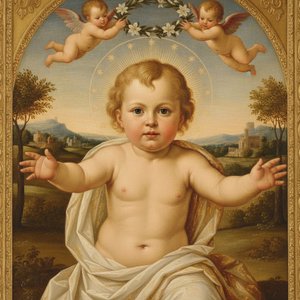
Explore the profound beauty of Baby Jesus in fine art history. From Raphael's Renaissance masterpieces to symbolic light, discover how classical painters captured divine innocence through masterful technique and sacred iconography.
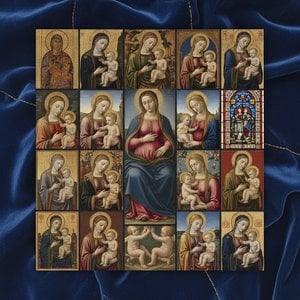
Embark on a sophisticated journey through art history with our curated guide to the most iconic Madonna and Child masterpieces. Discover the profound beauty, theological depth, and enduring legacy of these sacred Renaissance treasures.

Explore the profound beauty of Marian iconography through an art historian's lens. Discover iconic masterpieces by Raphael and Renaissance masters, celebrating the divine grace and timeless elegance of the Virgin Mary in classical fine art.

Embark on a profound journey through art history with our exploration of the most iconic depictions of the Virgin Mary. Discover the divine grace, symbolism, and masterful techniques found in Renaissance masterpieces and sacred iconography.


 미리보기
미리보기
 공유하기
공유하기 공유하기
공유하기
 상세 정보
상세 정보

 다운로드
다운로드
 유사 작품
유사 작품 X-레이
X-레이 슬라이드 쇼
 통계 정보
통계 정보 더 보기
더 보기









 유리 옵션은 110cm 미만 크기에서만 선택 가능합니다.