x


빠른 제작과 다양한 마감 옵션을 제공하는 박물관 품질의 지클레이 또는 캔버스 프린트. ( 손으로 그린 그림 구매 이미지 구매)





























작품의 원본 비율을 유지하는 미리 설정된 크기 중에서 선택하세요.

특정 프레임이나 공간에 맞춰 직접 치수를 입력하실 수 있습니다. 선택하신 사이즈가 원본 이미지의 비율과 일치하지 않을 경우, 작품을 크롭(자르기)하거나 이미지를 대칭 또는 단색 채우기로 확장하여 제작합니다. 제작 시작 전, 최종 확인을 위해 디지털 목업이 전송됩니다.
화면상의 미리보기는 실제 크롭이나 확장 상태를 반영하지 않으므로, 최종 구도는 오직 목업을 통해서만 정확하게 확인하실 수 있습니다.
맞춤 사이즈 제작도 가능하지만, 원본 비율을 유지하기 위해서는 사전 정의된 목록에서 치수를 선택하시는 것을 권장합니다.

Adam and Eve
복제본 크기
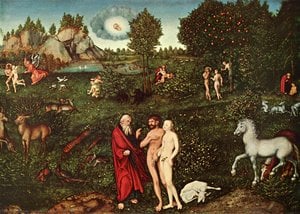
Lucas Cranach the Elder's “Adam and Eve,” painted in 1528, is more than just a depiction of a biblical narrative; it’s a profound meditation on human fallibility, temptation, and the very essence of our relationship with nature. Executed during a period of intense religious and social transformation – the early years of the Reformation – this oil painting embodies the spirit of the Northern Renaissance, showcasing Cranach's mastery of color, composition, and psychological realism. The scene unfolds with a quiet intensity: Adam and Eve stand before the Tree of Knowledge, their nakedness a deliberate statement against the imposed shame, while Eve holds the forbidden fruit, an emblem of both knowledge and transgression. The artist’s meticulous attention to detail – from the delicate rendering of the leaves adorning their bodies to the subtle expressions on their faces – creates a palpable sense of vulnerability and drama, drawing the viewer into this pivotal moment in human history.
Cranach's skill as a painter is immediately apparent in “Adam and Eve.” He employs a vibrant, almost jewel-toned palette – deep reds, rich greens, and earthy browns – to create a visually arresting image. The artist’s brushwork is remarkably precise, particularly evident in the rendering of the figures’ musculature and the intricate details of the tree itself. He utilizes sfumato, a technique perfected by Leonardo da Vinci, to soften edges and create an atmospheric haze, adding depth and realism to the composition. This meticulous approach, combined with his understanding of light and shadow, elevates the painting beyond a simple illustration; it becomes a carefully constructed exploration of human emotion and form. The use of oil paint allowed for layering and blending, creating textures and tones that were previously unattainable with tempera.
The symbolism within “Adam and Eve” is layered and complex. The Tree of Knowledge represents not just forbidden knowledge but also the potential for enlightenment and understanding – a concept central to the Reformation’s challenge to papal authority. Eve's act of taking the fruit symbolizes humanity’s inherent desire for autonomy, even in defiance of divine command. The leaves covering Adam and Eve’s bodies are more than mere decorative elements; they represent their initial state of innocence and modesty, tragically lost through temptation. The dark background further emphasizes the figures, creating a dramatic contrast that heightens the emotional impact of the scene.
"Adam and Eve" was created during a period of immense social and religious upheaval in Europe. Cranach’s work reflects this turmoil, engaging with themes of faith, doubt, and rebellion against established authority. The painting's enduring appeal lies not only in its artistic merit but also in its timeless exploration of fundamental human questions – questions that continue to resonate today. As a cornerstone of Northern Renaissance art, it offers a powerful window into the intellectual and spiritual landscape of 16th-century Germany, and its themes of temptation and consequence remain universally relevant. This artwork’s legacy extends far beyond its original context, solidifying its place as a masterpiece of Western art history.

1472 - 1553 , 독일

Discover the profound allure of oil on canvas. Explore the mastery of impasto textures, the science of pigment longevity, and expert guides to selecting museum-quality reproductions that elevate your collection with timeless elegance and tactile depth.


최신 미술 뉴스, 특별 혜택 및 인테리어 아이디어를 가장 먼저 만나보세요.
프로젝트에 대해 알려주시면 저희 미술 전문가들이 맞춤형 아트 제안 3가지를 전달해 드립니다.
당신만을 위한 맞춤형 옵션 3가지를 무료로 추천해 드립니다!


 미리보기
미리보기
 공유하기
공유하기 공유하기
공유하기
 상세 정보
상세 정보

 다운로드
다운로드
 유사 작품
유사 작품 X-레이
X-레이 슬라이드 쇼

 더 보기
더 보기









 유리 옵션은 110cm 미만 크기에서만 선택 가능합니다.