
온라인 미리보기보다 훨씬 뛰어난 품질의 고해상도 디지털 이미지를 구매해 보세요.
각 파일은 사내 전문가가 고급 도구와 숙련된 수동 리터칭 기술을 사용하여 세심하게 준비합니다. 우리는 모든 이미지가 탁월한 선명도, 정확한 색상 재현력, 그리고 미세한 디테일까지 완벽하게 갖추도록 보장합니다.
최종 파일은 전문적인 편집 및 인쇄 환경에서 즉시 사용할 수 있도록 최적화되어 72시간 이내에 이메일로 발송됩니다. 이는 세계적인 디자인 스튜디오, 출판사 및 갤러리가 신뢰하는 것과 동일한 품질입니다.
개인 소장 및 전시, 인쇄, 창작 프로젝트를 위한 고해상도 파일을 다운로드하세요. ( 프린트 판매로 전환 손으로 그린 그림 구매)
WahooArt.com를 선택하시면 단순히 이미지를 받는 것을 넘어, 정밀한 보정 과정을 거친 전문적인 디지털 예술 작품을 만나보실 수 있습니다. 모든 작품에는 만족 보장 서비스가 함께 제공되며, 주문 시 다음과 같은 사항들이 자동으로 포함됩니다:

주문 후 72시간 이내에 고해상도 디지털 이미지 파일이 이메일로 발송되며, 즉시 사용하실 수 있습니다.

귀하의 작품은 고급 AI 도구와 수동 편집 과정을 거쳐 전문적으로 최적화되며, 이를 통해 디테일과 선명도, 색상의 정확도를 극대화합니다.

파일을 실수로 삭제하거나 분실하셨나요? 걱정 마세요. 언제든 무료로 다시 보내드립니다.

관세나 부가세, 배송비 부담 없이 작품을 즉시 감상하세요 - 디지털 다운로드는 언제나 면세 혜택이 적용됩니다.

전문적인 도구와 색상 관리 시스템을 통해 디지털 이미지가 원본의 색상을 최대한 정확하게 구현하도록 보장합니다.

구매하신 디지털 이미지에 만족하지 못하실 경우, 100일 이내에 별도의 조건 없이 수정 또는 100% 환불을 진행해 드립니다.

만족스럽지 않으신가요? 디지털 파일을 받으신 후 100일 이내에 어떠한 조건 없이 전액 환불해 드립니다.

이미지 3매 구매 시 10% 할인 - 5매 구매 시 15% 할인 - 10매 이상 구매 시 20% 할인. 크리에이티브 프로젝트, 갤러리, 에이전시에 매우 유용합니다.
In the grand, sweeping tradition of the Neapolitan Baroque, Luca Giordano’s “La Mort de Sénèque” emerges not merely as a painting, but as a visceral theatrical performance captured in oil. The scene depicts one of antiquity's most poignant moments: the forced suicide of the Stoic philosopher Seneca the Younger, ordered by the Emperor Nero. Giordano, often celebrated as “Luca fa presto” for his incredible speed and prolific genius, manages to slow time within this canvas, freezing a moment of profound transition between life and death. The viewer is thrust into a crowded, intimate space where the air feels heavy with the weight of mortality and the solemnity of intellectual conviction.
The composition is a masterclass in Baroque dynamism. Rather than offering a detached, panoramic view, Giordano employs a tight, almost claustrophobic framing that pulls the observer into the inner circle of Seneca’s final moments. Diagonal lines, formed by the expressive limbs of onlookers and the heavy folds of luxurious drapery, act as visual guides, relentlessly directing the eye toward the central figure. Seneca himself is rendered with a palpable sense of fragility; his aged, pale form reclines upon cushions, serving as the quiet, still anchor amidst a sea of agitated movement. This tension between the stillness of the dying philosopher and the kinetic energy of those surrounding him creates a rhythmic pulse that keeps the eye wandering through the drama.
To behold this work is to witness the transformative power of chiaroscuro. Giordano utilizes dramatic contrasts between deep, swallowing shadows and piercing highlights to sculpt the figures from the darkness. This interplay does more than provide three-dimensional depth; it functions as a psychological tool. Light emanates from unseen sources, illuminating Seneca’s weary face and the frantic gestures of his companions, casting much of the background into a mysterious gloom that mirrors the encroaching unknown of death. The highlights catch the sheen of skin, the texture of fabric, and the glint of scattered scrolls, adding a layer of tactile realism that is deeply immersive.
The color palette further enriches this emotional landscape. A symphony of warm, resonant tones—deep ochres, earthy browns, and blood-like reds—dominates the scene, evoking the heat of passion and the gravity of the historical tragedy. These are masterfully contrasted with sudden, cool accents of blue and green, which prevent the warmth from becoming stagnant and instead inject a sense of tension and vitality into the composition. Giordano’s brushwork, characterized by a certain fluid brilliance, allows for a variety of textures to emerge: the smooth, almost translucent skin of the elderly Seneca contrasts sharply with the heavy, rough impasto of the onlookers' garments, creating a sensory experience that transcends the visual.
Beyond its technical virtuosity, “La Mort de Sénèque” is an exploration of the human condition. The scattered books and scrolls surrounding the philosopher serve as silent witnesses to his life of thought, suggesting that while the body may perish, the intellect leaves a lasting imprint. The varied reactions of the crowd—ranging from profound grief to morbid curiosity—provide a mirror for the viewer’s own emotional response, making the piece deeply relatable across centuries. For the discerning collector or interior designer, this artwork offers more than just aesthetic grandeur; it provides a focal point of profound narrative depth.
Integrating a high-quality reproduction of such a masterpiece into a curated space brings with it an atmosphere of historical prestige and contemplative elegance. Whether placed in a library, a formal study, or a grand salon, Giordano’s work commands attention through its ability to evoke both awe and introspection. It is a piece that does not merely decorate a wall but breathes life into a room, inviting all who encounter it to reflect on the enduring strength of the human spirit in the face of inevitable fate.

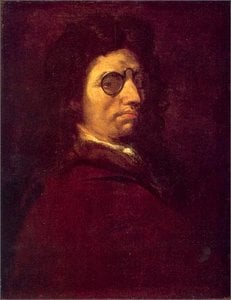
1634 - 1705 , 이탈리아


 미리보기
미리보기
 공유하기
공유하기 공유하기
공유하기
 상세 정보
상세 정보 가이드 보기

 다운로드
다운로드
 유사 작품
유사 작품 X-레이
X-레이 슬라이드 쇼
 통계 정보
통계 정보


 더 보기
더 보기


